Anti-aging support
-
How Dietary Fats Influence Aging: A Guide to Healthy LongevityDietary Fats and Aging
Understanding the Role of Dietary Fats as We Get Older Dietary fats are more than a source of calories—they are essential in the aging process and for promoting longevity. As we age, fats help the body in maintaining cell integrity, cushioning organs, supporting brain health, and regulating hormones. The type and quality of fat consumed becomes mor...

-
Selecting the Best Fats for Anti-Aging: Foods and SupplementsDietary Fats and Aging
Understanding Fats for Anti-Aging: Benefits for Skin, Brain, and Heart Fats play a fundamental role in healthy aging by supporting skin health, cognitive function, and heart performance. Choosing the optimal fats as you age can make your nutrition more effective, helping to maintain youthful skin and mental sharpness. Essential Fats for Aging Well ...

-
How to Create an Anti-Aging Grocery List: Emphasizing Dietary FatsDietary Fats and Aging
Easy Shopping Tips for Anti-Aging Dietary Fats Selecting the right dietary fats is important for any anti-aging eating plan. At the grocery store, choose whole, less processed fat sources and stay away from foods with unhealthy or artificial fats. Here’s what to consider: Select cold-pressed or extra virgin oils: Oils like olive, avocado, and flaxs...

-
Dietary Fats, Inflammation, and Aging: Insights from Recent ResearchDietary Fats and Aging
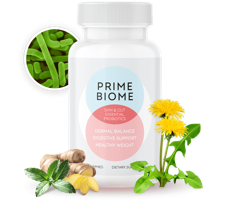
How Dietary Fats Affect Inflammation and Aging With age, dietary fats play an increasingly significant role in our overall nutrition. Studies show that the kind of fats we eat can trigger either pro-inflammatory or anti-inflammatory effects in the body, influencing longevity, skin quality, joint health, and general energy. Pro-Inflammatory vs. Anti...
-
Omega-3s and Aging: Diet Tips and Supplement AdviceDietary Fats and Aging
The Importance of Omega-3s for Healthy Aging As we get older, our nutritional requirements shift, especially for nutrients that aid in long-term health. Omega-3 fatty acids, in particular docosahexaenoic acid (DHA), are essential for supporting brain performance, heart health, and skin quality—all key aspects of aging well. Research: Omega-3s for M...

-
Dietary Fats and Aging: Food Sources, Nutrients, and Supplement GuideDietary Fats and Aging
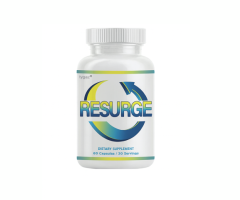
Understanding Dietary Fats and Their Impact on Aging Dietary fats are important for healthy aging—not just for energy, but also to maintain cellular structure, brain function, and help the body absorb fat-soluble vitamins. As we get older, the types and quality of fats we eat can affect inflammation, cellular well-being, and overall energy. This ov...
-
Tips for Comparing Supplements for Dietary Fats and AgingDietary Fats and Aging
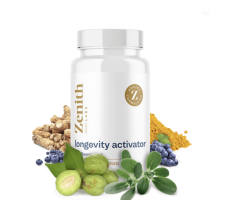
Understanding Dietary Fats and Aging As we age, our nutritional needs shift, making it more important to support the health of cell membranes, brain function, and skin elasticity. Essential fatty acids and plant-based oils from dietary fats are crucial to these processes. When looking at supplements for aging or anti-aging, it’s important to know w...
-
Dietary Fats and Aging: What to Eat and What to Check on LabelsDietary Fats and Aging
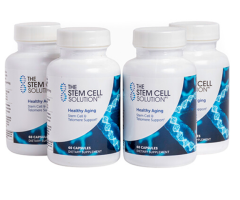
Understanding Dietary Fats and Aging As we get older, our metabolism, hormone levels, and ability to repair cells change, and the kinds of dietary fats we eat can influence these processes. Knowing which fats to choose or limit—and how to check their quality on food and supplement labels—can support overall wellness, energy, and aging well. Types o...
-
Dietary Fats and Aging: Essential Ingredients and Product SelectionDietary Fats and Aging
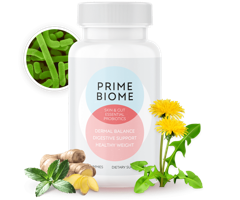
Understanding Dietary Fats for Healthy Aging Dietary fats are essential for cellular health, cognition, skin appearance, and the absorption of fat-soluble nutrients as we grow older. Selecting the right fats and pairing them with targeted supplements can help the body adapt to age-related changes. This article explains the main ingredient types, co...
-
Everyday Nutrition Tips: Dietary Fats and the Aging ProcessDietary Fats and Aging
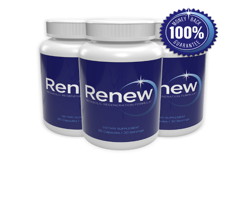
The Impact of Dietary Fats on Aging Dietary fats are essential for healthy aging, helping to maintain cell membranes, hormone balance, and cognitive abilities. As we grow older, thoughtful fat choices support heart health, keep skin resilient, and contribute to brain function. Different Types of Dietary Fats Unsaturated Fats – Present in olive oil,...
-
The Role of Antioxidant-Rich Foods in Supporting Healthy Aging: What to EatAntioxidant-Rich Foods for Aging Well
Understanding Antioxidants and Their Role in Healthy Aging Antioxidants are natural compounds present in many foods. Their main function is to neutralize free radicals—unstable molecules created in the body through metabolism, environmental exposure, and stress. When free radicals build up, they lead to oxidative stress, which can harm cells and ti...
-
Creating an Antioxidant-Focused Grocery List for Healthy AgingAntioxidant-Rich Foods for Aging Well
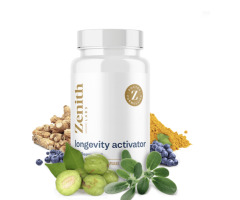
Main Groups of Antioxidant-Rich Foods Antioxidants are essential for reducing oxidative stress, which contributes to the aging process. To build a grocery list that encourages healthy aging, put the spotlight on these food groups: Fruits: Berries (blueberries, strawberries, raspberries), citrus options, grapes, pomegranates. Vegetables: Leafy green...
-
Antioxidant Synergy: How Nutrients Work Together for Healthy AgingAntioxidant-Rich Foods for Aging Well
Understanding Nutrient Synergy for Healthy Aging Nutrient synergy describes how certain nutrients and food components are more effective when combined than on their own. As we get older, our bodies deal with more oxidative stress and slower cell repair. Taking advantage of how nutrients work together can enhance antioxidant absorption and support l...
-
Dining Out and Eating Well: Selecting Antioxidant-Rich FoodsAntioxidant-Rich Foods for Aging Well
How to Choose Healthy, Antioxidant-Rich Foods When Dining Out Eating at restaurants or while traveling can make it tough to stick to a nutrient-rich, antioxidant-packed diet. But with some smart decisions and small menu changes, you can increase your intake of beneficial antioxidants, which help promote healthy aging and wellness. What Are Antioxid...
-
Exploring the Science: How Oxidative Stress Influences AgingAntioxidant-Rich Foods for Aging Well
What Is Oxidative Stress and How Does It Relate to Aging? Oxidative stress happens when the body’s antioxidant systems can’t keep up with the production of reactive oxygen species, commonly called “free radicals.” Over time, this imbalance leads to cell, protein, and DNA damage, contributing to both visible and unseen signs of aging. Exposure to UV...
-
Best Antioxidant Foods for Healthy Aging: What to Include in Your DietAntioxidant-Rich Foods for Aging Well
The Importance of Antioxidants for Healthy Aging Antioxidants help defend the body against oxidative stress, which naturally increases with age and contributes to gradual cellular changes. By adding antioxidant-rich foods to your daily meals and using supplements carefully, you can better support your well-being as you age. Great Antioxidant Foods ...
-
Antioxidant-Rich Foods for Healthy Aging: Essential IngredientsAntioxidant-Rich Foods for Aging Well
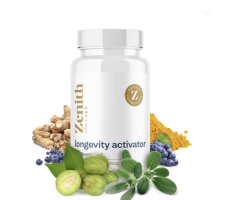
Understanding Antioxidant-Rich Foods for Healthy Aging Many factors influence healthy aging, and dietary antioxidants are among the most studied. Foods rich in antioxidants help shield body cells from oxidative stress, a process linked to aging. Adding these foods to your meals—and supplementing with specific nutrients when needed—can help support ...
-
Everyday Nutrition Habits for Antioxidant-Packed Foods to Support Healthy AgingAntioxidant-Rich Foods for Aging Well
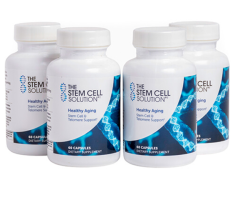
The Importance of Antioxidants in Healthy Aging As we grow older, our bodies experience increased oxidative stress from everyday living, the environment, and natural metabolic processes. Antioxidants—nutrients found in various plant and animal foods—help shield our cells from this stress, supporting energy, cognitive health, and overall wellness wi...
-
Antioxidant-Rich Foods for Healthy Aging: Foods and Supplement GuideAntioxidant-Rich Foods for Aging Well
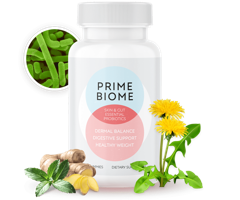
Understanding Antioxidants and Healthy Aging Antioxidants are natural substances that neutralize free radicals and help defend cells against oxidative stress, a common factor in the aging process. Integrating antioxidant-rich foods into your daily meals supports overall health, brain function, skin well-being, and energy levels as you age. In addit...
-
How to Compare Supplements for Antioxidant-Rich Foods for HealthAntioxidant-Rich Foods for Aging Well
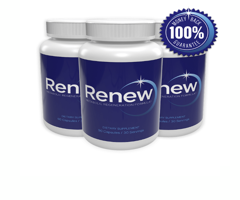
Understanding Antioxidant-Rich Foods for Healthy Aging Oxidative stress naturally occurs as we age, but studies suggest that eating antioxidant-rich foods and nutrients helps protect the body from wear on cells. When choosing supplements meant to mimic or enhance the effects of antioxidant-rich foods for healthy aging, pay close attention to the sp...
What Does the Anti-Aging Support Category Cover?
The anti-aging support category highlights practical approaches for promoting healthy aging, especially after 40. It centers on nutrients and supplements that help preserve skin elasticity, aid collagen production, strengthen antioxidant defenses, support joint comfort, and encourage mental and visual clarity. This category also explores daily routines and habits that help you maintain energy, resilience, and vibrancy as you grow older.
Why Anti-Aging Support Matters Day-to-Day
The way your body ages, both inside and out, can influence your energy, mood, and confidence. Providing your body with the right nutrients and routines can make everyday movement easier, help you maintain mental sharpness, and keep your skin and hair healthy and resilient. Regular antioxidant and collagen support can improve how you feel and help with your daily activities.
What Happens When Routines and Nutrients Are Out of Balance?
If anti-aging support is inconsistent, you might see your skin lose elasticity, your joints become less flexible, feel more fatigue, or notice mild changes in focus and memory. Essential nutrients like antioxidants, collagen, and minerals become more important after 40, as the body gets less efficient at making and using them. Gaps can happen due to busy lifestyles, diet choices, confusing labels, or irregular supplement use.
Key Anti-Aging Ingredients and Their Roles
Some ingredients are especially important for healthy aging:
- Collagen & Silica (e.g. Equisetum Arvense): Support skin firmness, joints, and connective tissue.
- Antioxidants (e.g. Resveratrol, Sumac Extract, Selenium, Vitamin C): Protect cells from oxidative stress connected to visible aging.
- Adaptogens (e.g. Ashwagandha, Schisandra, Rhodiola): Help the body manage stress, aiding energy and focus.
- Brain & Vision Support (e.g. Magnesium, Vitamin B12, Omega-3s): Contribute to cognitive performance, memory, and vision.
- Bone & Joint Nutrients (e.g. Manganese, Copper, Zinc): Maintain bone strength and ease of movement.
Daily Intake Context and Food Sources
Anti-aging nutrients are found in both foods and supplements. Common sources include colorful fruits and berries (for antioxidants), leafy greens, nuts, seeds, and fish. Collagen is found mainly in bone broth and gelatin. For some nutrients, like silica, resveratrol, or certain adaptogens, supplements can help fill gaps, especially if you have a busy or restricted diet.
Tables
How Anti-Aging Support Impacts Body & Feelings
| Area | Potential Benefits |
|---|---|
| Skin & Hair | Smoother texture, more firmness, better elasticity |
| Joints & Bones | Greater comfort and flexibility |
| Brain & Vision | Clearer thinking, better recall |
| Energy | Steady vitality and less fatigue |
| Cellular Health | Protection against oxidative stress, improved resilience |
Key Anti-Aging Ingredients Table
| Ingredient | Main Role | Food Sources |
|---|---|---|
| Collagen | Supports skin, hair, nails & joints | Bone broth, gelatin |
| Equisetum Arvense (Horsetail) | Provides silica for tissues | Herbal teas/supplements |
| Resveratrol | Antioxidant, supports heart and cells | Red grapes, berries |
| Sumac Extract (Rhus chinensis) | Rich antioxidant | Sumac spice, supplements |
| Schisandra | Adaptogen, promotes clarity | Schisandra berries (rare in food) |
| Vitamin B12 | For energy and mental function | Meat, dairy, eggs |
| Copper | Supports collagen and blood cells | Nuts, seeds, whole grains |
| Selenium | Antioxidant for cell protection | Brazil nuts, eggs, fish |
| Magnesium | For bones, nerves, and energy | Leafy greens, nuts, seeds |
| Zinc | Skin repair, immune support | Shellfish, seeds, legumes |
| Manganese | Bone and antioxidant enzyme support | Whole grains, nuts |
Foods vs. Supplements for Healthy Aging
| Approach | Pros | Cons |
|---|---|---|
| Whole Foods | Balanced nutrients by nature; antioxidants from colorful foods, nuts, seeds | Can be hard to get enough of some nutrients (like collagen, certain adaptogens) |
| Supplements | Easy and concentrated; access to unique botanicals and extracts | Might lack food synergy; label confusion; absorbency varies |
Why Anti-Aging Routines Can Be Inconsistent
Being consistent with an anti-aging routine can be challenging due to a busy lifestyle, taste preferences, confusing labels, or a lack of immediate results. The form (capsule, powder, food-based) and nutrient content can affect how simple it is to keep up. Making a plan with clear daily goals and using both foods and targeted supplements helps maintain your routine.
- 1


Health supplements