Creating a Brain-Healthy Grocery Routine: Simple Antioxidant Choices Supplement Free
- Location: United States
Why Regular Antioxidant Consumption Supports Brain Health
Our brains are susceptible to oxidative stress, which happens when there are too many free radicals and not enough antioxidants to counteract them. Antioxidants stabilize these free radicals and help maintain healthy cells across the body, especially in brain tissues. A steady, balanced intake of foods rich in antioxidants can help promote long-term brain wellness and protect against daily stressors and environmental factors.
Easy Grocery List for Brain-Healthy Foods
A brain-healthy grocery routine begins with variety and color. Here’s a useful selection of foods to pick up each week:
- Berries (blueberries, strawberries, raspberries) – full of polyphenols, vitamin C, and anthocyanins.
- Nuts and Seeds (almonds, walnuts, chia seeds, flaxseed) – provide vitamin E, healthy fats, and plant-based antioxidants.
- Leafy Greens (spinach, kale, Swiss chard) – source of vitamins A, K, C, and lutein.
- Fatty Fish (salmon, sardines, mackerel) – offer omega-3 DHA for brain function and structure.
- Whole Grains (oats, quinoa, brown rice) – deliver B vitamins and key phytonutrients.
- Avocado – contains monounsaturated fats and antioxidants.
- Dark Chocolate (70%+ cacao) – rich in flavonoid antioxidants.
- Green Tea – full of catechins, particularly EGCG.
- Turmeric – packed with curcumin, a powerful antioxidant.
Ingredient Table: Top Antioxidant Brain Foods
| Ingredient | Main Antioxidants | Use Examples |
|---|---|---|
| Berries | Polyphenols, Vitamin C, Anthocyanins | Smoothies, snacks, breakfasts |
| Almonds/Walnuts | Vitamin E, Polyphenols | Toppings, snacks, trail mix |
| Leafy Greens | Lutein, Vitamin C | Salads, wraps, smoothies |
| Fatty Fish | Omega-3 DHA, Selenium | Main courses, salads |
| Green Tea | Epigallocatechin gallate (EGCG) | Hot or cold drinks |
| Turmeric | Curcumin | Curries, lattes, roasted dishes |
Tips for Reading Antioxidant Content on Labels
- Review the ingredient list: Focus on products where whole foods (such as berries, greens, or nuts) are among the main ingredients.
- Notice color vibrancy: Brighter, richer colors (in teas, juices, or frozen foods) often signal more antioxidants.
- Check for added sugars or salt: Some packaged antioxidant-rich foods contain extras—choose options with minimal additions.
- Look for "100% whole grain" on labels: Select products marked as "whole grain" or "whole oats" for better retention of natural antioxidants compared to refined grains.
Easy Swaps and Add-Ins for More Antioxidants
- Snacks: Switch out granola bars for walnuts and dried cranberries, or enjoy raw vegetables with hummus.
- Breakfast: Top oats or Greek yogurt with fresh berries or chia seeds. A dash of cinnamon adds extra flavor and antioxidants.
- Beverages: Pick green tea or hibiscus tea over sugary drinks. Homemade smoothies with spinach and berries are a tasty swap.
- Meals: Use quinoa or brown rice instead of white rice. Serve meals with steamed broccoli or sautéed kale as a side.
Tips for Preserving Antioxidants During Storage and Cooking
- Store berries and leafy greens in the fridge and enjoy them within a few days to keep vitamin C and polyphenol content high.
- Steam or sauté vegetables rather than boiling to better preserve vitamin C, folate, and anthocyanins.
- Keep nuts and seeds in airtight containers away from heat and light to maintain vitamin E.
- Brew green tea in water below boiling to keep more catechins intact.
- Use olive oil cold or on low heat to help preserve its polyphenols.
Pairing Grocery Habits with Brain-Focused Supplements
Busy schedules can make it hard to get consistent antioxidants from food alone, especially during hectic weeks or while traveling. Supplements designed for brain and cognitive health can help fill nutritional gaps and offer steady antioxidant support.
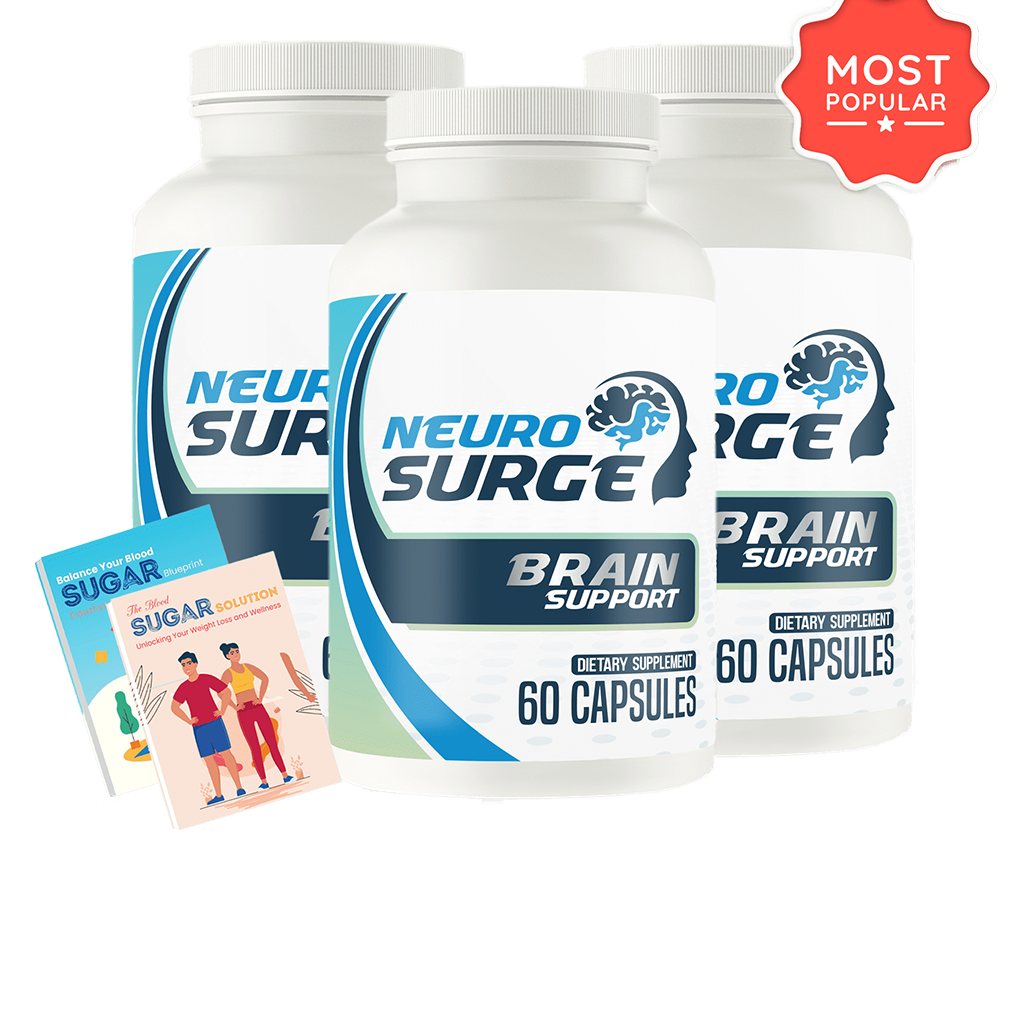
For instance, Neuro Surge: Boost Your Brain Power Today! is sorted within the Brain & Cognitive Health category and features antioxidant sources like green tea extract, grape seed extract, bilberry extract, olive leaf extract, and cinnamon. These plant-based ingredients, with a proprietary blend of botanicals and minerals, help support daily antioxidant needs for people seeking extra cognitive and brain protection.
Related Product Table
| Product ID | Product Name | Product Page URL | Why it fits |
|---|---|---|---|
| 61 | Neuro Surge: Boost Your Brain Power Today! | View Product | High in plant antioxidants to support daily brain and cognitive function |
Key Takeaways
- Creating an antioxidant-rich grocery plan for brain health is easier with a focus on variety, color, and careful label reading.
- Combining whole-food shopping habits with a brain-focused supplement like Neuro Surge helps maintain cognitive wellness, especially on busy days when diet alone isn't enough.
- Simple storage and prep techniques can greatly help protect brain-friendly nutrients.
- Small swaps—at breakfast, for snacks, and in drinks—build up long-term advantages for mental agility and brain energy.
Useful information
- Disclaimer: This article contains affiliate links to products. We may receive a commission for purchases made through these links.
Related listings
-
How Antioxidants Protect the Brain: Essential NutrientsAntioxidants and Brain Defense
What Are Antioxidants and Why Are They Important for Brain Protection? Antioxidants are natural substances found in foods and in the body that help neutralize free radicals—unstable molecules that can cause oxidative stress and cell damage, including in the brain. The brain, because it uses a lot of oxygen and has a high fat content, is particularl...
-
Top Antioxidant Foods for Brain Health and ProtectionAntioxidants and Brain Defense
A diet high in antioxidants is recognized as a valuable way to help protect brain health as we get older. Antioxidants are compounds in foods that neutralize free radicals—unstable molecules that cause cellular stress throughout the body and in the brain. By eating more foods rich in antioxidants, you boost your brain's defenses, support memory, an...
-
Exploring the Connection Between Oxidative Stress and Cognitive DeclineAntioxidants and Brain Defense
What Is Oxidative Stress and What Does It Do to the Brain? Oxidative stress happens when free radicals—unstable molecules formed as a result of regular cellular processes—outnumber the antioxidants available to manage them. Because the brain uses a lot of oxygen and contains many unsaturated fats, it is especially sensitive to oxidative damage. Pro...


Health supplements