Nutrition for Eye Health
-
Key Vitamins and Nutrients for Supporting Age-Related Eye HealthVitamins and Nutrients for Healthy Aging Eyes
Overview of Age-Related Changes to Eye Health With age, eyes become increasingly susceptible to oxidative stress and nutrient shortages that can affect visual clarity and comfort. Typical changes include reduced night vision, greater sensitivity to light, and a slower ability to shift focus. The likelihood of eye concerns such as dry eyes or a decr...

-
Lutein and Zeaxanthin: How These Carotenoids Help Support Vision as You AgeVitamins and Nutrients for Healthy Aging Eyes
As we get older, keeping our eyes healthy becomes more challenging, but nutrients such as lutein and zeaxanthin are vital for long-term eye health. These carotenoids help filter out harmful light and reduce oxidative stress in the eyes, which is especially important for those worried about age-related macular decline. What Are Lutein and Zeaxanthin...
-
Omega-3s and Aging Eyes: Does DHA Help Maintain Vision?Vitamins and Nutrients for Healthy Aging Eyes
Overview: Omega-3 Fatty Acids and Retinal Health Omega-3 fatty acids are vital polyunsaturated fats that support eye health, especially as we get older. Among the omega-3s, docosahexaenoic acid (DHA) is especially significant for the growth and maintenance of the retina, the light-sensitive layer at the back of the eye needed for clear vision. With...

-
Vitamin E, C, and Zinc: The Antioxidant Trio Supporting Eye HealthVitamins and Nutrients for Healthy Aging Eyes
How Vitamin E, C, and Zinc Help Protect Aging Eyes As we get older, our eyes become more susceptible to damage from oxidative stress. Antioxidants like vitamin E, vitamin C, and the mineral zinc are essential for guarding eye tissues, assisting with healing, and promoting lasting eye health. Knowing how these nutrients work and where to find them i...
-
Key Dietary Adjustments for Eye Health After 50Vitamins and Nutrients for Healthy Aging Eyes
Understanding Eye Health Risks with Age Once you reach 50, natural changes in the eyes can increase the chance of vision concerns. Conditions like age-related macular degeneration (AMD), cataracts, and diminished night vision are more frequent. Important risk factors include: Oxidative Stress: Free radicals can harm sensitive eye tissues. Lower Ant...
-
AREDS and AREDS2 Explained: Clinical Studies on Eye NutritionVitamins and Nutrients for Healthy Aging Eyes
Overview of Age-Related Eye Disease Studies (AREDS & AREDS2) The Age-Related Eye Disease Study (AREDS) and its sequel, AREDS2, were significant clinical trials run by the National Eye Institute. Their aim was to determine if certain vitamins and minerals could help lower the risk of age-related macular degeneration (AMD) progression, a major cause ...

-
Key Vitamins and Nutrients for Age-Related Eye Health: FoodsVitamins and Nutrients for Healthy Aging Eyes
Supporting Age-Related Eye Health: Nutrients, Foods, and Label Tips Keeping your vision healthy as you age is important for many adults. Along with regular eye exams and healthy habits, getting the right nutrition—from specific vitamins and key nutrients—also helps maintain long-term eye function and comfort. This guide highlights important nutrien...
-
How to Compare Supplements for Eye Vitamins and NutrientsVitamins and Nutrients for Healthy Aging Eyes
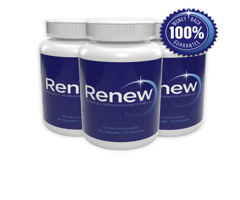
Understanding Key Nutrients for Eye Health as You Age With age, the likelihood of eye discomfort, vision changes, and oxidative stress grows. Nutrition is important for maintaining clear vision and supporting the health of the retina. Certain vitamins and plant compounds are especially valuable for preserving eye health as we grow older. Important ...
-
Vitamins and Nutrients for Age-Related Eye Health: What to EatVitamins and Nutrients for Healthy Aging Eyes
Essential Vitamins and Nutrients for Age-Related Eye Health As we get older, adding specific vitamins and nutrients from foods and supplements can help maintain healthy vision. Eating a diet rich in nutrients and reading supplement labels carefully can help keep your eyes in good shape as you age. Key Nutrients and Where to Find Them in Foods Lutei...

-
Essential Vitamins and Nutrients for Age-Related Eye Wellness: Key ComponentsVitamins and Nutrients for Healthy Aging Eyes
Understanding Nutrition for Age-Related Eye Wellness As we get older, taking care of our eyes grows more important due to natural vision changes and a greater chance of age-related eye problems. Supporting your eyes with the right nutrients from food and supplements can help protect them against oxidative stress, keep vision healthy, and ensure the...

-
Daily Nutrition Tips for Vitamins and Nutrients for Age-RelatedVitamins and Nutrients for Healthy Aging Eyes
Promoting Age-Related Eye Health with Daily Nutrition Eye health naturally changes over time, and certain nutrients can help protect vision and support eye wellness. Choosing nutrition habits that focus on these nutrients and ingredients—through balanced meals and supplements—can have a positive effect on everyday visual health. Essential Vitamins ...

-
10 Simple Everyday Meals Packed with Eye-Healthy NutrientsDaily Meal Suggestions for Eye Health
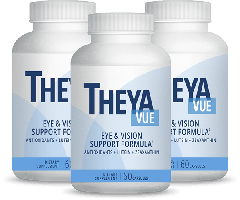
Maintaining good vision depends not just on regular eye exams, but also on your daily diet. Eating foods that are high in essential nutrients for the eyes can help keep your eyesight sharp. Explore how you can create an eye-friendly diet with meal ideas, time-saving prep tips, and ways to supplement if your meals fall short. Key Nutrients for Eye H...
-
Weekly Meal Planning for Eye Health: Simple MenusDaily Meal Suggestions for Eye Health
Proper nutrition is essential for keeping your eyes healthy throughout your life. Planning meals makes it easier to regularly get the nutrients your eyes need, helping you stay on track even with a full schedule or when preparing food for family members. How Meal Planning Helps Your Eyes Regularly consuming nutrients like lutein, zeaxanthin, zinc, ...

-
Lunchbox Inspiration for Kids and Adults: Foods for Healthy EyesDaily Meal Suggestions for Eye Health
Everyday Lunchbox Inspiration for Eye Health Promoting eye health is easy when you know which nutrients make a difference. Portable, child-friendly, and office-ready foods can supply the essential vitamins and minerals needed for good vision. Here’s how to fill lunchboxes with colorful, appealing options for all ages. Key Nutrients for Eye Health C...

-
Vegetarian and Vegan Meal Options for Eye HealthDaily Meal Suggestions for Eye Health
Special Eye Health Nutrient Needs for Plant-Based Diets For vegetarians and vegans, supporting good eye health means paying close attention to nutrients often found more abundantly in animal products. Key nutrients such as omega-3 DHA, vitamin E, vitamin C, zinc, lutein, and zeaxanthin are essential for healthy vision and protecting sensitive eye t...

-
Grocery Shopping for Daily Eye Health: A Handy ChecklistDaily Meal Suggestions for Eye Health
Everyday Grocery Must-Haves for Eye Health The foods you select at the grocery store can make a significant difference for your eye health. Filling your cart with nutrient-rich produce, proteins, and key pantry items helps maintain good vision throughout life. Here’s a practical checklist with explanations and cost-saving tips to help make eye-heal...

-
Simple Family Dinners for Better Eye NutritionDaily Meal Suggestions for Eye Health
Family Dinners for Everyday Eye Wellness Promoting eye-healthy habits doesn’t require long hours of cooking. With easy ingredient swaps and smart kitchen tips, you can make tasty family dinners loaded with nutrients that benefit vision—in ways both kids and adults will love. Key Nutrients for Eye Health Some nutrients are especially important for k...
-
Daily Meal Tips for Eye Health: Foods to Eat and What to Check on LabelsDaily Meal Suggestions for Eye Health
Why Nutrition for Eye Health Is Important Daily Good eye health relies on regular intake of certain nutrients found in whole foods and supplements. The meals you choose each day can help protect your eyesight and support how your eyes work, especially as you get older or spend more time on screens. Paying attention to key ingredients and reading la...
-
Daily Meal Inspiration for Eye Health: Essential Ingredients and ProductDaily Meal Suggestions for Eye Health
Daily Meal Inspiration for Eye Health Your eyes require specific nutrients each day to stay healthy and meet the challenges of modern living. Balanced meals can deliver many of these nutrients, while some individuals may also look to supplements for added support. This article provides practical meal suggestions, highlights the top ingredients for ...

-
Everyday Nutrition Habits & Meal Ideas for Eye HealthDaily Meal Suggestions for Eye Health
Daily Meal Habits for Eye Health Healthy eyes need regular intake of key nutrients through daily meals. Including specific vitamins, minerals, and plant nutrients in your routine can help support vision and eye comfort. Here are some easy habits and meal suggestions to keep your eyes healthy through diet. Key Nutrients for Eye Health Lutein & Zeaxa...
-
Daily Meal Tips for Eye Health: Foods and NutrientsDaily Meal Suggestions for Eye Health
Daily Meal Tips for Eye Health Your everyday meals have a big impact on long-term vision and eye comfort. Including foods high in antioxidants, healthy fats, and essential vitamins and minerals helps your eyes combat oxidative stress and maintain sharp vision. Key Nutrients Found in Foods for Eye Health Carotenoids (Lutein & Zeaxanthin): Presen...

-
How to Evaluate Supplements for Everyday Eye Health Meal PlanningDaily Meal Suggestions for Eye Health
Nutrition and Everyday Meal Ideas for Eye Health Eating well is a practical way to care for your vision daily. While fruits, vegetables, nuts, and fish provide many valuable nutrients, supplements can help cover nutritional gaps—especially when certain eye-friendly foods are not easy to include in your meals regularly. Key Nutrients and Their Impor...

Nutrition for Eye Health focuses on nourishing your vision with foods and nutrients that help keep your eyes comfortable and performing well—especially on days spent in front of screens. Key nutrients such as lutein, zeaxanthin, vitamin A, and omega-3 fatty acids play essential roles in shielding eyes from everyday strain and supporting lasting visual comfort.
What Does Nutrition for Eye Health Include?
This category highlights the value of vibrant, nutrient-packed foods—like leafy greens, eggs, berries, and seafood rich in omega-3s—and shows how daily habits can promote or support eye comfort, visual sharpness, and resilience every day. Whether you work at a computer for long hours or simply wish to keep your eyesight healthy, this topic covers both your energy levels and how your eyes manage daily visual tasks.
Everyday Effects on Your Well-being
The right nutrition can help keep your vision clear, lower feelings of dryness, tiredness, or irritation, and make it easier to handle digital eye strain. People who stick to balanced routines often experience sharper focus, less squinting, and fewer headaches related to eye fatigue. If your routine or nutrient intake falls short, eyes may feel more strained, vision may become less sharp—especially in the evening—and general eye comfort may decrease.
| Body/Feeling Impact | When Balanced | When Out of Balance |
|---|---|---|
| Visual comfort | Clear, comfortable vision; less eye fatigue | Eyes feel tired, irritated, or dry; moments of blur |
| Light sensitivity | Adjusts smoothly to indoor/outdoor light | Feel "dazzled" by bright lights; slower adjustment |
| Adaptation to screens | Less eye strain from devices and blue light | Headaches, quicker fatigue with screen time |
| Night vision | Good sight in low-light conditions | Difficulty seeing at night, glare, or halos |
Key Nutrients & Their Benefits
| Ingredient | Benefits for Eye Health | Main Food Sources |
|---|---|---|
| Lutein & Zeaxanthin | Shields the retina from blue light and oxidative damage | Spinach, kale, collard greens, eggs |
| Vitamin A | Essential for cornea health and night vision | Carrots, sweet potatoes, eggs, leafy greens |
| Omega-3 Fatty Acids | Supports tear production and retina health | Salmon, sardines, flaxseed, walnuts |
| Berries | Antioxidants help fight oxidative stress in eye tissues | Blueberries, strawberries, raspberries |
| Vitamin C & E | Combat free radicals in the eyes | Citrus, peppers, nuts, seeds |
Food Sources and Supplements
| Food Source | Main Nutrients | When Supplements May Be Needed |
|---|---|---|
| Leafy greens (kale, spinach) | Lutein, zeaxanthin, vitamin A | To boost intake when diet is lacking these foods |
| Eggs | Lutein, zeaxanthin, vitamin A | If it's hard to include them in your meals |
| Fatty fish & walnuts | Omega-3s | When not much seafood is eaten |
| Berries | Antioxidants, vitamin C, fiber | If fresh fruit is not always on hand |
Tips for Daily Nutrient Intake
It’s easiest to get most vision-supportive nutrients by regularly having a range of colorful fruits and vegetables, leafy greens, eggs, and a few servings of fatty fish each week. For lutein and zeaxanthin—the main "eye pigments"—common daily amounts come from a large salad, a cooked cup of greens, or several eggs per week. Omega-3s can be found in fish, flaxseed, or walnuts, and vitamin A shows up in carrots, squash, and dark leafy greens.
Challenges to Maintaining Routines
Sticking to a diet that supports vision can be tough with busy schedules, food preferences, and product choices. Some may not enjoy greens, dislike fish, or have trouble keeping up with supplements. Amounts of lutein, zeaxanthin, and omega-3s can differ between brands, so results depend on regular use and choosing formulas with clear labeling and research-backed levels.
How Diet, Routines, and Supplements Connect
The best results for eye health come from meals filled with fruits, vegetables, eggs, and good oils, along with routines like taking breaks from screens, adjusting device brightness, and considering supplements when food falls short. Consistency—in food choices and eye care—makes a long-term difference in comfort and visual resilience.
- 1


Health supplements
