Probiotics vs. Prebiotics: What’s the Difference and Why They Matter Supplement Free
- Location: United States
Probiotics and prebiotics are widely discussed in gut health, but many are unsure about their differences or why both are beneficial. Knowing how they differ and work together can help you support better digestion, whether through diet or supplements.
Probiotics vs. Prebiotics: Key Differences
- Probiotics are live helpful bacteria—such as Lactobacillus and Bifidobacterium—present in certain foods and supplements. They help keep your gut bacteria balanced.
- Prebiotics are non-digestible fibers (including inulin, FOS, and resistant starch) that feed your body’s good bacteria, boosting their growth and variety.
| Aspect | Probiotics | Prebiotics |
|---|---|---|
| Definition | Live beneficial bacteria | Non-digestible fibers that nourish good bacteria |
| Main Sources | Yogurt (with live cultures), kimchi, sauerkraut, kefir, miso | Chicory root inulin, oats, bananas, garlic, onions, apple pectin |
| Main Function | Maintain gut microbe balance | Feed beneficial microbes |
| Food Label Example | "Live & active cultures" | "Prebiotic fiber" or "inulin" |
Comparative Table: Food Sources and Their Benefits
| Food Source | Type | Main Benefit |
|---|---|---|
| Yogurt (live cultures) | Probiotic | Supplies beneficial bacteria to the gut |
| Kimchi & sauerkraut | Probiotic | Offers a range of probiotic strains for gut harmony |
| Kefir | Probiotic | Rich in probiotics, may aid digestion and regularity |
| Chicory root inulin | Prebiotic | Helps good bacteria grow |
| Oats (beta-glucan) | Prebiotic | Nourishes gut bacteria and supports regularity |
| Banana (especially unripe) | Prebiotic | Provides resistant starch and inulin for gut health |
| Apple pectin | Prebiotic | Gel-forming fiber that aids digestive comfort and supports good microbes |
Balanced Meal Examples with Probiotics & Prebiotics
- Breakfast: Live-culture yogurt with banana slices and chia seeds.
- Lunch: Green salad with kimchi and roasted chickpeas, served with oat crackers.
- Snack: Fresh apple slices (pectin) with kefir.
- Dinner: Stir-fry with garlic, onions (prebiotics), lentils, and sauerkraut (probiotic) on the side.
The Synergy: Why Combine Probiotics and Prebiotics?
Combining probiotics and prebiotics—a synbiotic approach—boosts digestive health benefits. Prebiotics act as fuel to help probiotic bacteria thrive in your gut. Including both in your diet promotes a more diverse and stable gut, offering greater comfort and regularity than either would alone.
Convenient Supplement Support: Synbiotic Formulas
While making balanced meals is effective, using a supplement with both probiotics and prebiotics offers a simple way to care for your gut, especially on a busy schedule. Look for supplements with live probiotic strains and well-studied prebiotic fibers like inulin, FOS, or apple pectin.
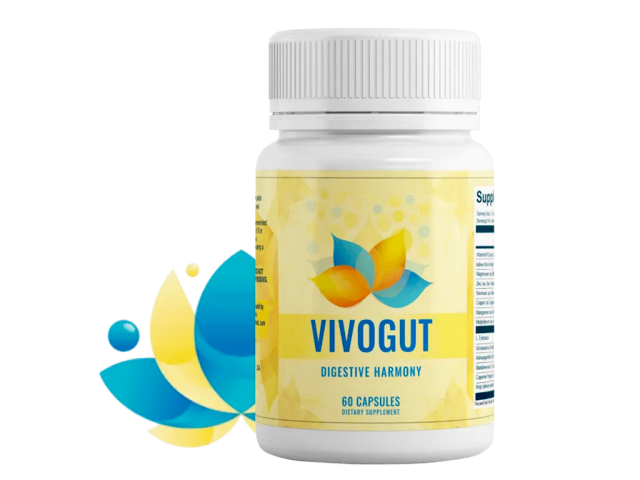
For instance, VivoGut: Your Ultimate Digestive Health Solution combines live probiotics and prebiotic fibers—such as inulin and apple pectin—into a single formula. The blend (containing magnesium citrate, ginger, kimchi/sauerkraut, and more) provides thorough support for gut balance and digestive comfort.
Related Product Table
| Product ID | Product Name | Product Page URL | Why It Fits |
|---|---|---|---|
| 222 | VivoGut: Your Ultimate Digestive Health Solution | View Product | Comprehensive synbiotic formula for gut health, offering both probiotics and prebiotic fibers |
Key Takeaways
- Probiotics (live helpful bacteria) and prebiotics (the fibers that feed them) work together to nurture a healthier gut.
- Foods often contain one or the other, but the best results come from including both.
- Balanced meals and snacks can combine probiotic foods with prebiotic fibers for daily gut support.
- Synbiotic supplements like VivoGut: Your Ultimate Digestive Health Solution offer a convenient choice for busy lives.
Useful information
- Disclaimer: This article contains affiliate links to products. We may receive a commission for purchases made through these links.
Related listings
-
Best Probiotic and Prebiotic Foods for Gut HealthGuide to Probiotic and Prebiotic Foods
A healthy gut microbiome plays a key role in digestion, immune function, and wellbeing. Probiotics—beneficial bacteria present in some foods—and prebiotics, which are special fibers that nourish these bacteria, are both essential. Learning about these nutrients and their food sources can help you support better digestive and immune health. Why Prob...
-
How to Add Prebiotic Foods to Your DietGuide to Probiotic and Prebiotic Foods
What Are Prebiotics and Why Do They Matter? Prebiotics are natural dietary fibers and plant compounds that nourish the beneficial bacteria in your gut. Unlike probiotics, which are living bacteria, prebiotics provide the fuel these microbes need. Supporting a healthy gut environment, prebiotics help with digestion, the immune system, and your overa...
-
Fermented Foods: Probiotic Powerhouses for Gut HealthGuide to Probiotic and Prebiotic Foods
The Importance of Fermented Foods for Gut Health Fermented foods—including kimchi, sauerkraut, live-culture yogurt, miso, and kefir—are valued in many cultures for their distinctive tastes and health benefits. They are rich in natural probiotics, which are key in supporting a balanced gut microbiome and healthy digestion. How Fermentation Produces ...


Health supplements
