Top Foods to Naturally Support Your Immune Health Supplement 49.00 $
- Location: United States
Your immune system works every day to defend against threats and keep you feeling your best. One of the most effective ways to strengthen these natural defenses is through your dietary choices. Eating a balanced diet rich in key nutrients helps immune cells operate efficiently and keeps your overall system strong and responsive.
How Diet Affects Immune System Performance
What you eat supplies essential vitamins, minerals, and antioxidants necessary for immune cell activity, antibody creation, and communication inside your immune system. Regularly nourishing your body with these nutrients builds resilience and helps maintain a healthy immune response.
Important Nutrients for Immune Support
| Nutrient | Role in Immunity | Key Food Sources |
|---|---|---|
| Vitamin C | Antioxidant, aids immune cell function | Citrus fruits, bell peppers, berries, broccoli |
| Vitamin D | Regulates immune responses | Fatty fish, eggs, fortified milk, sunlight |
| Zinc | Vital for immune cell growth | Pumpkin seeds, nuts, shellfish, whole grains |
| Probiotics | Enhance the gut-immune connection | Yogurt, kefir, sauerkraut, kimchi |
| Beta-carotene/Vitamin A | Maintains mucosal barriers | Carrots, sweet potatoes, leafy greens |
| Selenium | Antioxidant, supports cell protection | Brazil nuts, mushrooms, tuna |
| Curcumin | Antioxidant, supports balanced inflammation | Turmeric root |
| Polyphenols (e.g., Resveratrol) | Aids cell protection and communication | Berries, grapes, green tea |
Top Foods for Immune Support
- Berries: Blueberries, raspberries, and blackberries provide vitamin C and polyphenols that act as antioxidants.
- Leafy Greens: Spinach, kale, and chard supply beta-carotene, vitamin C, and folate to help immune function.
- Fermented Foods: Yogurt, kimchi, and sauerkraut are good sources of probiotics for gut and immune health.
- Cruciferous Vegetables: Broccoli and cauliflower bring vitamin C, fiber, and unique plant nutrients.
- Fatty Fish: Salmon and sardines offer vitamin D and omega-3s to help regulate immune balance.
- Nuts and Seeds: Almonds, walnuts, and pumpkin seeds provide vitamin E, zinc, and selenium.
- Turmeric and Ginger: Contain curcumin and gingerol to help support healthy cells.
- Green Tea: Made from Camellia sinensis, it offers catechins and polyphenols for immune benefits.
- Mushrooms: Shiitake and other varieties contain beta-glucans and selenium.
- Colorful Vegetables: Carrots, bell peppers, and sweet potatoes have beta-carotene and vitamin C.
Simple Immune-Supporting Meal and Snack Ideas
- Start the day with a berry smoothie using spinach, Greek yogurt, and chia seeds
- Enjoy a kale salad with roasted salmon, pumpkin seeds, and bell peppers at lunch
- Snack on a mix of nuts, orange slices, and berries
- Dinner with stir-fried broccoli, cauliflower, and tofu in a turmeric-ginger sauce
- Have miso soup with mushrooms alongside green tea
Supplements as a Dietary Addition
Even with careful meal planning, you may not get every immune-supportive nutrient from food alone every day. Supplements can help close gaps in your nutrition or deliver key compounds in higher concentration. Some people use immune system booster supplements to add antioxidants, probiotics, and adaptogenic herbs commonly found in food.
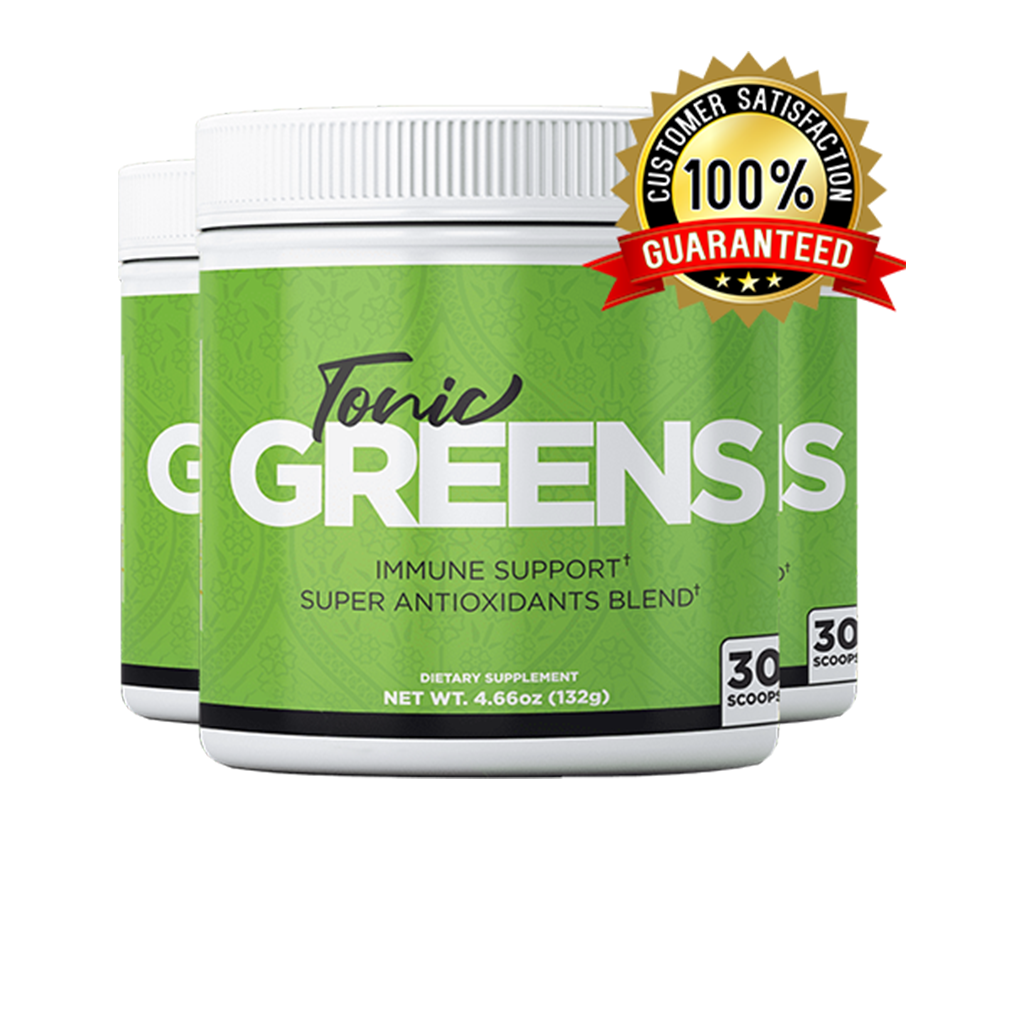
One such product is TonicGreens: Boost Your Energy and Immunity Naturally!. Its ingredients include whole food concentrates and well-researched nutrients like Camellia sinensis (green tea), several types of berries, turmeric, curcumin, cinnamon, Korean ginseng, spinach, pineapple, cauliflower, and both probiotic and prebiotic blends. Formulas like these are designed to reflect the same nutrients in top immune-supporting foods, making them a daily addition for those wanting consistent nutrition support.
Smart Grocery Shopping Tips
- Pick a variety of colorful fruits and vegetables to maximize phytonutrients.
- Purchase leafy greens, cruciferous vegetables, and different berries regularly.
- Find live-culture fermented foods—look for yogurt, kefir, kimchi, and sauerkraut in the fridge section.
- Keep nuts and seeds handy for snacks or to top salads.
- Rotate different protein sources: beans, fish, lean meats, tofu, and eggs are all helpful for immune support.
- If you get little sunlight, add fortified foods and seek vitamin D-rich options.
Ingredient Highlights Table
| Ingredient | Description |
|---|---|
| Camellia sinensis (Green Tea) | Provides polyphenols and catechins that help defend cells |
| Turmeric & Curcumin | Offer antioxidant support and help maintain balanced inflammation |
| Cinnamon | Contains unique polyphenols and adds flavor without added sugar |
| Probiotics | Support a healthy gut barrier and immune signaling |
| Korean Ginseng | Acts as an adaptogen for wellness and helps cope with stress |
| Resveratrol Blend (Berries) | Delivers high levels of antioxidant polyphenols |
| Prebiotic Fiber | Nourishes beneficial gut bacteria, aiding immune function |
| Spinach, Pineapple, Cauliflower | Whole food sources that supply vitamins, minerals, and phytonutrients |
Product Reference Table
| Product ID | Product Name | Product Page URL | Why It Fits |
|---|---|---|---|
| 154 | TonicGreens: Boost Your Energy and Immunity Naturally! | View Product | Packed with food-based botanicals, polyphenols, probiotics, and antioxidants that are often missing in many diets but are key for immune support. |
Core Points
- An assortment of fruits, vegetables, nuts, fermented foods, and good protein sources provides a natural base for immune strength.
- Aim for daily foods with vitamins C, D, zinc, selenium, probiotics, and polyphenols to support your immune system.
- Thoughtful meal plans and shopping choices make daily immune support simple.
- Supplements rich in phytonutrients and whole food blends can help fill in nutrition shortfalls in busy routines.
Useful information
- Disclaimer: This article contains affiliate links to products. We may receive a commission for purchases made through these links.
Related listings
-
Key Nutrients to Boost Your Immune System: Food and SupplementsFoods That Promote Immune Health
Essential Nutrients for Supporting Immunity Your immune system depends on a variety of nutrients to function well. Focusing on specific vitamins, minerals, and botanicals in your diet and supplements is a practical way to help your body’s defenses. Below are important nutrients, their sources, and simple ways to include them daily. Primary Nutrient...
-
Meal Prep Ideas with Immune-Boosting IngredientsFoods That Promote Immune Health
Planning Immune-Supportive Meals for the Week Preparing your meals ahead of time not only streamlines your routine but also ensures you’re consistently eating balanced, nutritious foods. Choosing ingredients packed with essential vitamins, minerals, antioxidants, and natural probiotics helps you create weekly menus that support your body's immune s...
-
Probiotics and Immunity: Foods and Supplements That Work TogetherFoods That Promote Immune Health
Supporting your immune system is more than just steering clear of germs—it means providing your body with the right nutrients and helpful microbes to face daily stressors. Probiotics, the live good bacteria found in some foods and supplements, have a key role in helping to build and maintain a strong immune defense. Here’s how to bring more of thes...


Health supplements