Key Nutrients for Joint Health: From Diet to Supplementation Supplement 49.00 $
- Location: United States
Maintaining joint health is important for staying active and mobile as we get older. Along with genetics, exercise, and body weight, nutrition is an essential factor in preserving joint structure, flexibility, and strength. This article reviews key nutrients for joint health, their food sources, how to identify potential deficiencies, and effective ways to combine dietary habits with supportive supplements.
Essential Nutrients for Joint Health
| Nutrient | Main Joint Benefits | Common Whole Food Sources | Signs of Inadequacy |
|---|---|---|---|
| Vitamin C | Promotes collagen formation and antioxidant defense | Citrus fruits, berries, bell peppers, broccoli | Easy bruising, slow wound recovery, joint soreness |
| Vitamin D | Supports calcium uptake and immune health | Fatty fish, fortified dairy, egg yolks, sunlight | Muscle weakness, bone aches, more joint rigidity |
| Calcium | Strengthens bones and cartilage | Dairy foods, tofu, leafy greens, chia seeds | Muscle cramps, fragile bones, dental concerns |
| Magnesium | Supports muscle and nerve function, bone integrity | Nuts, seeds, whole grains, spinach | Muscle spasms, tiredness, leg cramps |
| Hyaluronic Acid | Keeps joints lubricated and cartilage flexible | Bone broth, soy-based foods, root vegetables | Dryness, stiffness, decreased joint cushioning |
| Quercetin | Acts as an antioxidant and helps manage inflammation | Onions, apples, berries, leafy greens | Frequent aches, low intake of antioxidants |
How These Nutrients Work Together
Together, these nutrients help maintain joint health and function. Vitamin C is crucial for making collagen, a major protein in cartilage, tendons, and ligaments. Calcium, magnesium, and vitamin D combine to keep bones strong beneath cartilage, supporting joint stability. Hyaluronic acid works as a natural moisture agent for smooth movement, while quercetin provides antioxidants that help the body respond to joint stress.
Dietary Sources and Routine Gaps
- Citrus fruits and berries: Great sources of vitamin C and quercetin.
- Leafy greens, almonds, chia seeds, and tofu: Provide magnesium and calcium.
- Bone broth and root vegetables: Deliver hyaluronic acid and minerals.
- Fatty fish and eggs: Supply vitamin D—along with responsible sun exposure.
Modern diets, processed foods, and certain lifestyle factors can lead to shortfalls in these nutrients—especially for those with little sun exposure (vitamin D), low fruit/vegetable intake (vitamin C, quercetin), or no dairy (calcium).
Supplement Solutions: Joint & Leg Health Formulas
Supplements in the Joint & Leg Health group are formulated to offer balanced nutritional support for joints and legs. These products often contain plant-based extracts and concentrated nutrients found naturally in foods, offered in amounts that help fill nutritional gaps, but don't replace a healthy diet.
Routine Example: Blending Foods and Supplements
- Start with a foundation of colorful fruits and vegetables in most meals.
- Include a daily serving of nuts or seeds for magnesium and healthy fats.
- Add a joint-support supplement for a steady supply of researched plant extracts, antioxidants, and hydration helpers.
Spotlight: Flush Factor Plus for Joint & Leg Health
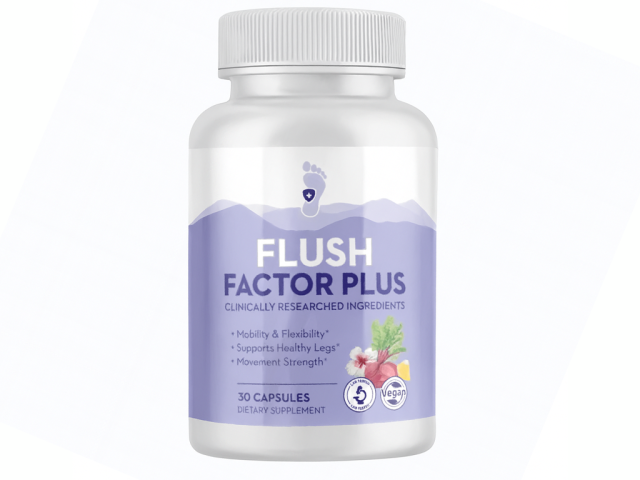
Flush Factor Plus: Supports The Health Of Your Legs is an example supplement in the Joint & Leg Health group. Its blend includes beet root extract, berries, hibiscus, L-citrulline, pineapple, asparagus, and others, all chosen to provide plant antioxidants, natural nitrates (for comfort and circulation), and compounds that help hydrate your joints and legs.
With a mix of plant-based ingredients, Flush Factor Plus can help make up for shortfalls in your diet. Its berry, beet, and botanical ingredients support a complete approach to joint and leg well-being.
Related Product Table
| Product ID | Product Name | Product Page URL | Why It Fits |
|---|---|---|---|
| 54 | Flush Factor Plus: Supports The Health Of Your Legs | View Product | Features a blend of plant-based antioxidants, botanicals, and hydration-supporting ingredients for joint and leg well-being. |
Key Takeaways
- Comfortable, flexible joints are supported by a nutrient-dense diet, good hydration, and, when necessary, targeted supplementation.
- Vitamin C, vitamin D, calcium, magnesium, hyaluronic acid, and quercetin each play unique but supportive parts in joint strength and flexibility.
- Supplements such as Flush Factor Plus provide an easy way to enhance a joint-healthy diet, especially for people with busy schedules or certain dietary restrictions.
- Combining smart dietary choices with comprehensive, plant-based joint supplements can help sustain joint comfort and leg function at any age.
Useful information
- Disclaimer: This article contains affiliate links to products. We may receive a commission for purchases made through these links.
Related listings
-
Essential Supplements for Joint Support: What You Should KnowJoint Support Supplements
Keeping your joints healthy and flexible is vital for staying active and comfortable, whether you’re aging or increasing your activity levels. Supporting your joints isn’t just about easing brief stiffness—it’s important for mobility, healthy movement, and overall quality of life. Why Joint Support Is Important Joints—where bones, cartilage, and co...
-
How Collagen Supplements Help Support Joint Health and FlexibilityJoint Support Supplements
Understanding Collagen’s Role in Joint Health Collagen is the most plentiful protein in the body, making up a large part of connective tissues like skin, tendons, ligaments, and joint cartilage. In joints, collagen adds strength, cushion, and a flexible framework, allowing for smooth movement and cushioning from daily activity. As we get older, col...
-
Natural Ingredients in Joint Support Supplements: What to KnowJoint Support Supplements
Important Natural Ingredients for Joint Support Many joint support supplements use a variety of natural ingredients to help maintain comfortable movement, flexibility, and durable connective tissues. Knowing the main ingredients can assist in making informed choices when selecting supplements or reading product labels. Ingredient How It Supports Jo...



Health supplements