Nerve Support
-
Top Foods to Enhance Nerve Health and Brain FunctionFoods and Nutrients to Support Cognitive Performance
Overview: Foods for Nerve and Brain Health Strong nerve function and sharp cognitive performance depend on more than genetics and lifestyle—what you eat each day can have a major impact. Recent research highlights foods packed with nutrients vital for nerve health, memory, focus, and overall brain function. This article highlights these foods, thei...
-
How Leafy Greens Help Brain and Nerve HealthFoods and Nutrients to Support Cognitive Performance
Nutrients in Leafy Greens That Aid Brain and Nerve Health Leafy greens such as spinach, kale, Swiss chard, and arugula are valued for their rich blend of vitamins, minerals, and plant compounds. Many of the nutrients found in these greens specifically support the brain and nervous system: Magnesium: Important for transmitting nerve signals, relaxin...
-
Omega-3 Fats: Essential Nutrients for Nerve Health and Mental ClarityFoods and Nutrients to Support Cognitive Performance
What are Omega-3 Fatty Acids and Why Are They Important for Nerve Health? Omega-3 fatty acids are essential polyunsaturated fats that play a major role in developing and protecting nerve cells throughout the body. The best-known omega-3s are DHA (docosahexaenoic acid) and EPA (eicosapentaenoic acid), both crucial for brain health, memory, and menta...

-
Easy Grocery Habits for Nerve Health and Brain EnergyFoods and Nutrients to Support Cognitive Performance
How to Organize a Shopping List for Brain and Nerve Nutrition Promoting nerve health and steady brain energy begins with a well-planned shopping list. Select foods that naturally contain essential vitamins, minerals, antioxidants, healthy fats, and plant phytonutrients. Sort your list by food group, emphasizing these staples: Proteins: eggs, Greek ...
-
How Berries, Seeds, and Nuts Support Nerve Cell ProtectionFoods and Nutrients to Support Cognitive Performance
Antioxidants and Anti-Inflammatory Nutrients in Berries, Seeds, and Nuts Berries, seeds, and nuts are known for their rich supply of nutrients, especially their high levels of antioxidants and anti-inflammatory components. These foods offer a range of plant compounds that help shield nerve cells from oxidative stress and inflammation, both key fact...

-
Foods and Nutrients for Cognitive Focus and Brain HealthFoods and Nutrients to Support Cognitive Performance
Maintaining cognitive function and nerve health is supported by a mix of nourishing foods, key nutrients, and, for some, thoughtfully crafted dietary supplements. This guide reviews practical options for foods and nutrients, what to look for on labels, and tips for comparing supplement choices aimed at brain health and mental clarity. Essential Foo...

-
How to Compare Supplements and Foods for Cognitive NutrientsFoods and Nutrients to Support Cognitive Performance
Understanding Cognitive Performance and Nutritional Support Maintaining cognitive performance requires both healthy dietary habits and, when appropriate, supplements designed to support brain health. Memory, focus, and mental sharpness depend on nutrients found in eggs, fatty fish, nuts, leafy greens, berries, as well as select vitamins and herbal ...

-
Best Foods and Nutrients for Cognitive Performance: What to EatFoods and Nutrients to Support Cognitive Performance
Maintaining cognitive performance and brain health involves more than keeping the mind active. Eating the right foods and nutrients can enhance memory, focus, and mental sharpness. This is a straightforward guide to what to include in your diet, important nutrients to seek out, and how to read supplement labels to help improve your brain power each...
-
Foods and Nutrients for Cognitive Performance: Essential IngredientsFoods and Nutrients to Support Cognitive Performance
Understanding Cognitive Performance Nutrition Cognitive performance—your ability to concentrate, remember, learn, and efficiently process information—relies on a blend of diet, lifestyle, and targeted nutrients. Certain foods and core ingredients are well known for their role in supporting brain function, mental vitality, and nerve health. When cho...

-
Daily Nutrition Habits for Foods and Nutrients Supporting Cognitive HealthFoods and Nutrients to Support Cognitive Performance
Forming Daily Habits for Cognitive Performance Cognitive function—such as concentration, memory, and mental sharpness—relies on a balanced supply of certain nutrients and thoughtful food choices. Including beneficial ingredients in everyday meals helps maintain lasting brain and nerve health, making it easier to feel focused and energized throughou...

-
Creating Brain-Friendly Routines: Everyday Habits for Nerve HealthEveryday Habits for Brain and Nerve Health
Understanding Daily Routines for Brain Health Your brain and nervous system benefit from steady, daily care. Creating brain-friendly routines means developing habits that fuel, protect, and revitalize your cognitive abilities. These routines go beyond supporting focus and memory—they help maintain nerve health, emotional balance, and even physical ...

-
Smarter Grocery Shopping for Brain and Nerve HealthEveryday Habits for Brain and Nerve Health
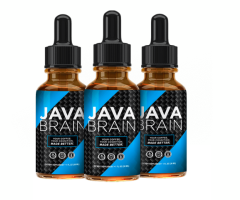
Grocery List Framework for Brain and Nerve Support Supporting brain and nerve health starts with your grocery choices. Studies show certain foods are especially nourishing for the brain, supplying essential nutrients for nerve signaling and defending against oxidative stress. Here’s a sample grocery list designed for cognitive wellness: Leafy Green...
-
How Omega-3s and Antioxidants Support Daily Brain WellnessEveryday Habits for Brain and Nerve Health
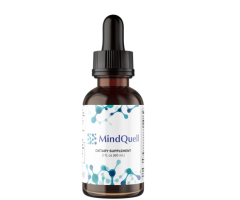
Science-Backed Benefits of Omega-3s and Antioxidants for Brain Health Omega-3 fatty acids and antioxidants are important for maintaining brain and cognitive health. Research highlights that omega-3s—especially DHA (docosahexaenoic acid)—are crucial building blocks for nerve cell membranes, aiding memory, focus, and healthy nerve function. Antioxida...
-
Evening Wind-Down Routines for Brain and Nerve WellnessEveryday Habits for Brain and Nerve Health
The Importance of Evening Routines for Brain and Nerve Wellness Your evening wind-down habits directly affect your sleep quality, nervous system strength, and mental recovery. In today’s fast-paced world, nervous system well-being relies on mindful routines: fostering relaxation, limiting screen use, and keeping a steady sleep schedule all back you...

-
Brain-Boosting Breakfasts: Start Your Day with Nerve SupportEveryday Habits for Brain and Nerve Health
How Breakfast Impacts Brain & Nerve Health A nourishing breakfast provides essential fuel for your body and brain after a night without eating. Your brain depends on a steady flow of nutrients—especially those linked to nerve communication and energy production—to stay alert, focused, and resilient. Choosing to skip breakfast or eat a meal that lac...

-
Daily Habits for Brain and Nerve Health: What to EatEveryday Habits for Brain and Nerve Health
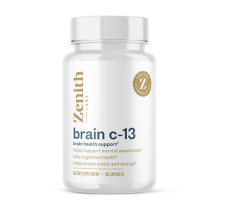
Foods and Habits for Brain and Nerve Health Keeping your brain and nerves healthy means following a regular routine based on good nutrition, hydration, and balanced daily habits. Including whole foods along with research-backed supplements can help support your wellness through all stages of life. Here’s how you can create an effective daily plan a...
-
Key Ingredients for Daily Brain and Nerve WellnessEveryday Habits for Brain and Nerve Health
Daily Routines for Brain and Nerve Wellness Supporting brain and nerve wellness each day involves smart food choices and selectively using supplements. Modern routines can impact mental sharpness, memory, stress management, and overall cognitive function. Knowing the main types of ingredients and checking supplement labels can help you structure ha...

-
Daily Nutrition Habits for Brain and Nerve HealthEveryday Habits for Brain and Nerve Health
Introduction: Why Daily Care for Brain and Nerve Wellness Matters Your brain and nervous system affect productivity, memory, focus, mood, and long-term cognitive health. Consistent meal habits and mindful ingredient choices can enhance both day-to-day mental clarity and lasting nerve well-being. Below, you’ll find actionable nutrition tips and supp...

-
Daily Habits for Brain and Nerve Health: Foods and NutrientsEveryday Habits for Brain and Nerve Health
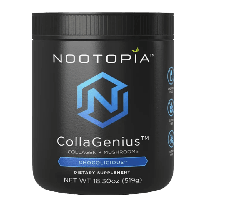
How Daily Habits Support Brain and Nerve Health Promoting your brain and nerve health is a continual effort supported by regular daily routines. Your nutrition, level of activity, mental stimulation, and supplement choices all contribute to efficient nerve signaling and cognitive sharpness over time. Key Daily Practices for Brain & Nerve Health Cho...
-
How to Compare Daily Supplements for Brain and Nerve HealthEveryday Habits for Brain and Nerve Health
Comparing Supplements for Brain and Nerve Wellness Selecting a supplement to support daily brain and nerve health requires more than relying on an attractive label. Careful comparison ensures you choose options that align with your goals for mental clarity, memory, mood, or focus, with an emphasis on ingredient quality and transparent labeling. Her...
What Is Nerve Support?
The Brain & Nerve Support category focuses on nutrients, routines, and lifestyle habits that aid cognitive performance, memory, mental focus, nerve comfort, and clarity in daily life. This includes key nutrients such as B vitamins, nootropic ingredients, and traditional adaptogens like select mushrooms and calming herbs. It also provides practical guidance for managing occasional brain fog and supporting nerve health for overall wellness.
Why This Area Matters Day to Day
Maintaining brain and nerve health has a significant impact on your daily experience. Mental sharpness, recall, concentration, and feelings of calm, clarity, or "brain fog" all link to your nutritional and lifestyle choices affecting the brain and nervous system. Likewise, nerve comfort and proper signal function influence everything from simple reflexes to more complex thinking, energy, and mood.
Balanced vs. Out-of-Balance Routines
When routines and nutrient intake in this area are balanced, most people feel mental clarity, emotional stability, good memory, and physical comfort. When these are out of balance—due to inconsistent supplement routines, low intake of key nutrients in foods, or high day-to-day stress—people often notice forgetfulness, low energy, trouble focusing, or occasional tingling or discomfort in nerves.
| Body & Feeling Impact | With Good Routine | When Out of Balance |
|---|---|---|
| Memory | Sharp recall, easier learning | Forgetfulness, "lost words" |
| Focus | Consistent attention | Distracted, brain fog |
| Nerve Comfort | Physical ease, calm | Restlessness, tingling* |
| Overall Mood | Positive, resilient | Flat, more stressed |
*Mild or occasional sensations. Always consult a healthcare provider for ongoing concerns.
Key Ingredients & Why They Matter
| Ingredient | Why It Matters |
|---|---|
| B Vitamins | Support the body's energy use for nerve signaling and neurotransmitter formation; often needed daily for best results. |
| Mushroom Extracts | Certain types (like Lion’s Mane) are used traditionally for brain clarity and supporting nerve growth factors. |
| Nootropics (e.g., L-Theanine, Rhodiola) | Compounds that may encourage alertness, focus, and stress adaptability. |
| Magnesium | Aids nerve communication and relaxes muscles and nerves. |
| Sage Leaf | An antioxidant herb, often used for memory and cognitive support. |
| GABA | A calming neurotransmitter, used to promote relaxation and peace of mind. |
| Vitamin D | Contributes to nerve and mood balance, especially in those with minimal sun exposure. |
| Resveratrol, Quercetin | Antioxidants that help combat oxidative stress in nerve and brain tissue. |
Common Foods Providing Brain & Nerve Nutrients
- B vitamins: Whole grains, beans, eggs, dark leafy greens, meat, seeds
- Magnesium: Nuts, seeds, spinach, black beans, whole grains
- Mushrooms: Lion's Mane, shiitake, maitake (available fresh or in powders/extracts)
- Sage leaf: Used fresh or dried in cooking, teas, or extracts
- Resveratrol: Red grapes, red wine, peanuts, certain berries
- Quercetin: Apples, onions, berries, leafy greens
- GABA and L-Theanine: Found in green and black teas
- Vitamin D: Oily fish, fortified dairy and alternatives, sunlight
Supplements vs. Foods: What to Know
| Nutrient | Food Source | Supplement Format | Common Daily Intake Context |
|---|---|---|---|
| B vitamins | Whole grains, eggs | Capsules, tablets, powders | Often taken daily for energy and mood |
| Mushroom extracts | Mushrooms (Lion's Mane, etc.) | Capsules, powders, drink mixes | Common in morning or focus blends |
| L-Theanine | Tea | Capsules, drink powders | For calm focus; frequently combined with caffeine |
| Magnesium | Nuts, greens | Pills, powders (glycinate/citrate) | Often used in the evening for relaxation |
| Antioxidants (Resveratrol, Quercetin) | Berries, onions, grapes | Capsules, blends | For cell support and healthy aging |
Why Supplement and Food Routines Can Be Inconsistent
Many strive for regular support but face certain obstacles:
- Busy lifestyles that make regular meal preparation or supplement intake difficult
- Taste preferences (such as not liking mushrooms or greens)
- Preference for supplement types (pills, powders, or gummies)
- Differences in ingredient quantities and ambiguous supplement labels
- Skipping or forgetting supplement doses
Maintaining brain and nerve health routines requires knowledge, diet, and consistent habits. Prioritizing daily nutrient sources (food first, supplements if needed) and routines that suit your lifestyle is an effective way to support mental clarity and nerve comfort.
- 1


Health supplements
