Sleep and Relaxation
-
Foods That Support Better Sleep: Science and OptionsFoods That Support Better Sleep
The Connection Between Food and Sleep Quality Getting quality sleep involves more than bedtime habits—your daytime and evening food choices play a big role in how well you fall and stay asleep. Scientific studies have shown that certain nutrients and natural compounds in foods can help balance sleep hormones and neurotransmitters, supporting a rest...

-
Bedtime Snacks to Help You Sleep: What to Eat for a Restful NightFoods That Support Better Sleep
Why Your Evening Snack Is Important for Sleep Having trouble relaxing at night? Choosing the right snack before bed can help you unwind and prepare for a good night’s sleep. Studies show that foods containing calming nutrients can impact the hormones and chemicals that help you fall asleep and stay asleep. Main Nutrients and Their Role in Better Sl...

-
How Magnesium-Rich Foods Influence Sleep QualityFoods That Support Better Sleep
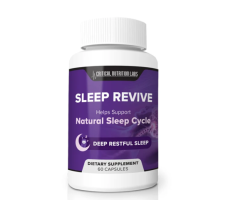
Exploring Magnesium’s Effect on Sleep Patterns Magnesium is a crucial mineral involved in numerous body functions, including nerve transmission, muscle relaxation, and stress management. Research indicates it plays a role in sleep quality, as magnesium helps control neurotransmitters and hormones—such as melatonin and GABA—that let the body know wh...
-
Herbal Foods and Extracts for a Peaceful Night: Lemon BalmFoods That Support Better Sleep
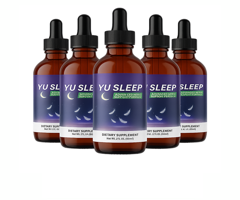
Herbal Foods for a Peaceful Night: Where Tradition Meets Modern Routines Establishing a calming evening ritual is simpler when you turn to nature’s most soothing herbs. For generations, plants like lemon balm, chamomile, and lavender have been used in teas and recipes to promote relaxation and create the right mood for restful sleep. Today, these t...
-
How Protein and Amino Acids in Food Help Encourage Restful SleepFoods That Support Better Sleep
The Role of Amino Acids in the Sleep Cycle Restful, uninterrupted sleep relies on a precisely coordinated cycle of brain signaling and chemical messengers. Key building blocks for these signals include certain amino acids—naturally occurring components of proteins found in popular foods. Notable amino acids that aid sleep and relaxation are: Trypto...

-
Foods That Improve Sleep: Key Foods, Nutrients, and SupplementsFoods That Support Better Sleep
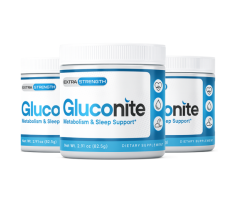
Good sleep is crucial for body recovery, mental focus, and metabolic wellness. The foods you eat daily—along with specific nutrients and carefully chosen supplements—can support a more restful night’s sleep. This guide covers which foods and nutrients help promote better sleep, important label and ingredient tips, and how to compare different sleep...
-
How to Compare Supplements for Foods That Support Better SleepFoods That Support Better Sleep
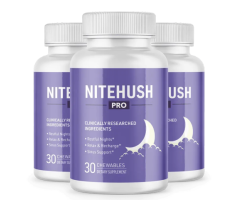
Understanding Supplements for Better Sleep: What to Consider Supplements aimed at improving sleep often include nutrients and herbal extracts found naturally in foods known to help with rest. Learning how to compare these supplements helps you choose products that match your needs while keeping safety in mind. Main Ingredients in Sleep-Supporting S...
-
Foods That Help Improve Sleep: What to Eat and How to VerifyFoods That Support Better Sleep
Practical Food Choices for Better Sleep Getting quality sleep is influenced not only by bedtime routines but also by the foods you eat during the day and in the evening. The right choices can make it easier to fall asleep and stay asleep. Here’s an overview of foods and ingredients with evidence or tradition for supporting restful nights. Top Foods...

-
Foods That Help Improve Sleep: Top Ingredients & ChecklistFoods That Support Better Sleep
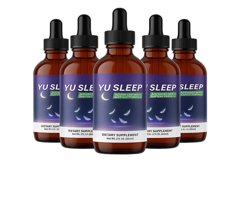
The Connection Between Food and Sleep Quality Your diet can affect how well you sleep. Some foods and nutrients help regulate your sleep-wake cycle, relax the mind, soothe muscles, or support the body’s production of neurotransmitters linked to restful sleep. That’s why examining ingredient lists and product categories is useful when comparing slee...
-
Daily Nutrition Habits to Support Better SleepFoods That Support Better Sleep
How Your Daily Nutrition Choices Impact Sleep Quality Many people have difficulty falling asleep or staying asleep. While good sleep routines and stress management are important, what you eat throughout the day, especially in the evening, can significantly influence your sleep cycle and relaxation. Building nutrition habits that support restful sle...

Overview of the Sleep and Relaxation Category
The Sleep and Relaxation category highlights nutrients, functional ingredients, and routines that help you unwind, reduce stress, and support deeper, more restful sleep. This resource features calming minerals, herbal blends, and amino acids—such as magnesium, melatonin, GABA, and L-theanine—commonly used to encourage relaxation, ease into bedtime routines, and manage everyday stress.
How Sleep, Relaxation, and Stress Support Influence Everyday Well-being
Restful sleep and balanced stress are key for daily health. With an effective sleep or relaxation routine, you're more likely to wake up refreshed, think clearly, and handle daily tasks with a steady mood. In contrast, poor sleep or ongoing stress can leave you tired, tense, or unfocused, affecting energy, motivation, and your overall sense of well-being both physically and mentally.
Body and Feeling Impact Table
| Area | Positive Impact | Imbalance Signs |
|---|---|---|
| Sleep Quality | Restful sleep, easier mornings, balanced mood | Fatigue, low energy, irritability |
| Stress Balance | Better resilience, calmer perspective | Tension, worry, racing thoughts |
| Muscle Relaxation | Reduced tension, easier recovery | Muscle tightness, restlessness |
| Mind Calmness | Sharper focus, clearer thinking | Distraction, mental fog |
Key Ingredients and Their Importance
Certain nutrients and herbs can support a sense of peace, encourage mental calm, and prepare your body for restful sleep:
Highlighted Ingredients Table
| Ingredient | How It Supports Sleep & Relaxation | Common Food Sources |
|---|---|---|
| Magnesium | Encourages muscle relaxation and a calm nervous system | Leafy greens, nuts, seeds, whole grains |
| Melatonin | Signals the brain that it’s time to rest | Cherries, grapes, tomatoes (in small amounts) |
| GABA | Provides a calming effect as a neurotransmitter | Fermented foods (kimchi, miso) |
| L-Theanine | Promotes a sense of calm and supports relaxation without drowsiness | Green and black tea leaves |
| Calming Herbs | Herbal extracts like chamomile, passionflower, lavender, and valerian help with tension relief | Herbal teas, tinctures |
Practical Ways to Consume These Nutrients: Foods vs Supplements
| Nutrient/Herb | Food Sources | Supplement Format |
|---|---|---|
| Magnesium | Spinach, almonds, whole grains | Capsules, powders, chewables |
| Melatonin | Present in some fruits like cherries | Tablets, gummies, sprays |
| L-Theanine | Green tea | Capsules, combined sleep supplements |
| GABA | Fermented foods | Tablets, capsules |
| Chamomile, Valerian | Herbal teas | Extracts, blends, capsules |
Individual needs and nutrient intake can differ. Foods such as leafy greens, nuts, and teas offer natural sources, while supplements deliver measured amounts—often at higher concentrations than typically found in a regular diet—of these sleep-supportive ingredients.
Why Sleep and Relaxation Routines May Fluctuate
Sleep and relaxation routines can be thrown off by shifting schedules, travel, shift work, or ongoing stress. Food sources might not provide enough of these nutrients for everyone. Supplement type (pills, gummies, teas), labeling, and routine consistency also play a role. Trying different methods may help you find a bedtime routine that fits your lifestyle.
- 1


Health supplements
