Weight Management
-
Best Healthy Snacks for Weight Management: Smart PicksNutritious Snacks for Weight Management
Choosing smart snacks is important for maintaining weight management goals. The right snacks can curb hunger, keep your energy steady, and supply nutrients essential for your body. Discover which snacks support a balanced diet, simple prep tips, and how key ingredients—frequently used in weight management supplements—can fit into your daily plan. W...

-
How to Build a Snack Routine that Supports Long-Term Weight ManagementNutritious Snacks for Weight Management
Creating a healthy snack routine is an effective approach to sustainable weight management. Rather than focusing on strict restriction, mindful and consistent snacking can lessen cravings, help prevent overeating during meals, and maintain steady energy during the day. Here’s how to build a snack routine with science-backed ingredients and a simple...

-
Healthy Store-Bought Snacks for Weight Management: What to ConsiderNutritious Snacks for Weight Management
Understanding Healthy Snacks for Weight Management Picking the right store-bought snacks can support your weight management goals. By emphasizing fiber, protein, healthy fats, and portion control, you can enjoy convenient snacks without hindering your progress. Here’s how to make better snack choices and what to check for on labels. How to Read Lab...

-
Fiber-Focused Snacks: Your Secret to Feeling Full for Weight ControlNutritious Snacks for Weight Management
How Fiber Helps with Weight Control and Managing Appetite Fiber is a key element for those looking to control their weight and maintain satisfaction between meals. Unlike quickly digested carbohydrates, fiber slows digestion and stabilizes blood sugar, which helps reduce hunger and prolongs feelings of fullness. There are two main types: Soluble fi...

-
Smart Snacking on the Go: Portable Options for Weight ManagementNutritious Snacks for Weight Management
Handling Snacking Challenges During Busy Days or Travel For those with hectic schedules—commuting, long work hours, or frequent travel—choosing healthy snacks isn't always easy. Common challenges include little time, few chances to prepare food, and the lure of high-calorie convenience snacks at airports, gas stations, or offices. Packing your own ...

-
Snacking for Weight Control: Probiotics and Functional IngredientsNutritious Snacks for Weight Management
Snacking can be part of a healthy eating plan when done wisely. Thoughtfully selected snacks may help with weight management by increasing fullness, supporting digestion, and benefiting your gut microbiome. Discover how probiotics and functional ingredients can make snacking an asset for metabolism and appetite control. The Link Between Gut Health,...

-
Healthy Snacks for Weight Control: Foods and NutrientsNutritious Snacks for Weight Management
Healthy Snacks for Weight Management Making nutritious snack choices is an important part of achieving weight control goals. The right snacks help manage hunger, support metabolism, and provide consistent energy between meals. This guide explores nutrient-dense snack foods, helpful ingredients, what to look for on labels, and how these relate to we...

-
How to Evaluate Supplements for Healthy Snacking and Weight ControlNutritious Snacks for Weight Management
Selecting healthy snacks for weight management can be overwhelming, especially when it comes to choosing supplement products aimed at appetite control, supporting metabolism, and overall balanced nutrition. To find the right supplement, you need to understand ingredient roles, check transparency on amounts and ingredient forms, match the category t...

-
Healthy Snacks for Weight Management: Best Choices to EatNutritious Snacks for Weight Management
The Importance of Healthy Snacking for Weight Management Choosing healthy snacks is key for weight management, as it helps to control appetite, prevent overeating, and provide steady energy during the day. Opting for nutrient-rich snacks over processed ones is important for anyone aiming to achieve or maintain a healthy weight. Top Snacks: Options ...

-
Healthy Snacks for Weight Management: Essential Ingredients and ProductsNutritious Snacks for Weight Management
Healthy Snacks for Weight Management: Ingredient Categories and Tips Selecting healthy snacks is an important part of effective weight management. Smart snack options can help reduce hunger, maintain energy, and encourage healthy habits between meals. The right ingredients can also make it easier to control portions, calories, and cravings. Below, ...

-
Daily Nutrition Tips for Healthy Snacking and Weight ManagementNutritious Snacks for Weight Management
The Importance of Healthy Snacks for Weight Management Snacking forms a natural part of everyday routines, and making healthy snack choices can greatly support effective weight management. The right snacks deliver important nutrients, help maintain balanced energy, and reduce the risk of overeating during meals by managing hunger. The goal is to op...

-
Simple High-Protein Breakfast Ideas for Busy MorningsHigh-Protein Breakfast Options
Beginning your day with a high-protein breakfast is an easy way to maintain steady energy, improve focus, and support your health goals. Protein not only helps keep you full longer but also aids muscle repair and healthy metabolism. For those with tight schedules, quick and portable protein options can be a real benefit. Why Protein is Important at...
-
Plant-Based High-Protein Breakfasts for Weight ManagementHigh-Protein Breakfast Options
Introduction Beginning your morning with a high-protein, plant-based breakfast can help you feel full, maintain steady energy, and contribute to weight management. Whether you eat vegetarian, vegan, or just want to add more plants to your mornings, there are plenty of delicious and nutrient-dense ways to get protein without animal products. This ar...

-
How High-Protein Breakfasts Help with Healthy Weight ManagementHigh-Protein Breakfast Options
Understanding the Link Between High-Protein Breakfasts and Appetite Control Protein is a vital macronutrient, playing a major role in managing hunger, especially when eaten in the morning. Studies have shown that high-protein breakfasts influence appetite hormones and increase feelings of fullness (satiety). This results in lower calorie intake ove...
-
Guide to High-Protein Breakfast Meal PrepHigh-Protein Breakfast Options
Why Prep High-Protein Breakfasts for Busy, Weight-Focused Lifestyles Prepping high-protein breakfasts simplifies morning routines, reduces the urge for quick, less healthy options, and helps you feel full, which can support weight goals. By spending a little time in advance, you’ll have quick, nutritious meals ready for hectic weekdays while promot...
-
Creative Ideas to Boost Protein at BreakfastHigh-Protein Breakfast Options
Breakfast is an important start to your day, but classic morning choices like toast, cereal, or fruit often lack protein. Increasing your protein intake helps you stay full longer and keeps your energy steady. Discover creative and practical ways to get more protein into your morning routine. Common Low-Protein Breakfast Foods and Easy Replacements...
-
High-Protein Breakfast Ideas: What to Eat and What to Look for on LabelsHigh-Protein Breakfast Options
Why High-Protein Breakfasts Are Important Choosing a high-protein breakfast helps you feel full, supports muscle health, and keeps your energy levels steady through the morning. This strategy can assist with weight control and nutritional goals, making your first meal both satisfying and beneficial for your overall well-being. Easy High-Protein Bre...
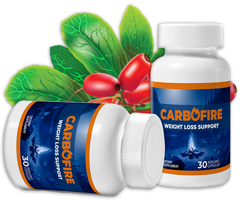
-
High-Protein Breakfast Ideas: Essential Ingredients and Product PairingHigh-Protein Breakfast Options
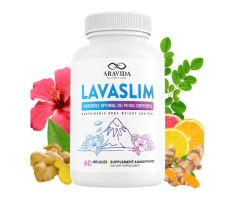
The Importance of a High-Protein Breakfast Beginning your morning with a high-protein breakfast can help you feel full longer, keep energy steady, and support muscle health—important for managing weight and supporting overall wellness. Smart breakfast choices help prevent mid-morning hunger and give your metabolism a healthy boost. Top Ingredient G...
-
Daily Eating Habits for High-Protein Breakfast IdeasHigh-Protein Breakfast Options
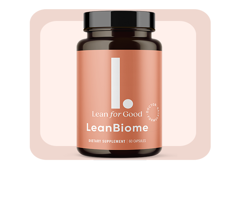
Establishing High-Protein Breakfast Routines Having a regular high-protein breakfast can help maintain energy, control appetite, support muscle health, and aid in weight control. Adding quality proteins to your morning meals can reduce cravings later in the day, boost your metabolism, and set you up with strong nutrition for the hours ahead. Best I...
-
High-Protein Breakfast Ideas: Foods, Nutrients, and SupplementHigh-Protein Breakfast Options
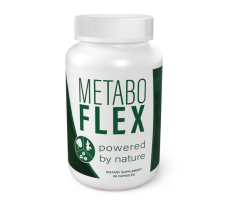
Why High-Protein Breakfasts Matter Starting your day with a high-protein breakfast supports lasting satiety, maintains muscle, and encourages healthy weight management. Protein-rich foods help you feel full longer, reducing mid-morning hunger and supporting energy levels. Including protein in your breakfast is also linked to better metabolic flexib...
-
How to Evaluate Supplements for High-Protein Breakfast IdeasHigh-Protein Breakfast Options
Understanding High-Protein Breakfast Needs Selecting high-protein breakfast choices is a popular way to enhance satiety, long-lasting energy, and effective weight management. Classic options like eggs, Greek yogurt, cottage cheese, tofu, tempeh, and nuts/seeds offer quality protein, but supplements can add convenience and targeted nutrition to fit ...
-
Best Fiber-Rich Foods to Reduce Hunger and Aid Weight ManagementHigh-Fiber Foods for Appetite Management
Fiber plays an important role in suppressing appetite and promoting healthy weight management. Foods high in fiber help slow digestion, increase feelings of fullness, and make it easier to stick to healthy eating routines throughout the day. This article highlights the most effective fiber-rich foods, how they promote satiety, and shares tips for a...

-
How Diets High in Fiber Naturally Curb Cravings and OvereatingHigh-Fiber Foods for Appetite Management
The Biological Role of Fiber in Appetite Control Dietary fiber is a form of carbohydrate that the body cannot fully break down. Instead, fiber travels through the digestive system and plays a key role in managing hunger. Eating foods high in fiber causes the fiber to soak up water and expand in the stomach, which slows down digestion. This leads to...
-
High-Fiber Breakfast Options to Keep You Full All MorningHigh-Fiber Foods for Appetite Management
Choosing breakfasts rich in fiber is an effective way to stay full and energized through the morning. Fiber slows digestion, helping you feel satisfied, which can make managing cravings and maintaining a healthy weight easier. Explore how to begin your day with fiber-packed breakfast ideas and how these ingredients are used in weight management sup...
What Is Covered in the Weight Management Category?
This category offers practical guidance on food and supplement routines that help you reach your weight management goals. It looks at how protein, fiber, and balanced meals contribute to feeling full, aid in appetite control, and impact metabolism. You’ll also learn about ingredients like green tea and some plant extracts that may help manage cravings and support better food choices, plus the effects of eating out or changing your grocery shopping patterns.
How Weight Management Impacts Everyday Life
Balanced routines can help you stay full after meals, maintain steady energy, and support more stable moods and cravings. When balance is missing—such as not getting enough protein or fiber, or eating meals at irregular times—there can be more frequent hunger, low energy, trouble focusing, and a greater urge to overeat or snack without planning.
Effects of Unbalanced Food Routines or Nutrient Intake
- Not enough protein or fiber may make you feel hungry soon after eating.
- Unbalanced meals could lead to energy highs and lows, mood changes, or stronger cravings for snacks and sweets.
- Lack of key nutrients or skipping meals can cause feeling tired and unmotivated.
Body & Feeling Impact Table
| Element | How It Feels When Balanced | When Out of Balance |
|---|---|---|
| Protein Intake | Fuller for longer, supports lean muscle | Often hungry, low muscle maintenance |
| Fiber Intake | Regular digestion, steady appetite | Irregular digestion, increased snacking |
| Meal Balance | Stable energy, fewer cravings | Fatigue, cravings, mood changes |
| Metabolism Support | Efficient energy use, more energy | Sluggishness, low energy |
| Appetite/Craving Support | Controlled cravings, steady habits | Overeating or impulsive choices |
Key Ingredients & Supplements for Weight Management
Some ingredients are well-studied for helping you feel full, support metabolism balance, or naturally reduce cravings.
| Ingredient | Category Role | Common Food Sources | Supplement Form |
|---|---|---|---|
| Protein | Increases fullness, helps lean mass | Eggs, chicken, tofu, Greek yogurt | Powders, bars |
| Fiber | Helps satiety, aids digestion | Beans, oats, whole grains, berries | Capsules, powders |
| Green Tea Extract | Supports metabolism and appetite | Green tea | Capsules, teas |
| Cinnamon | Helps healthy blood sugar | Cinnamon | Capsules, powders |
| Chromium | Supports carbohydrate use | Broccoli, whole grains, meats | Tablets, blends |
| Berberine | Promotes metabolic wellness | Barberry, goldenseal | Capsules |
| Gymnema Leaf | Helps with cravings and appetite | N/A (mainly a supplement) | Capsules, teas |
| Pre/Probiotics | Gut health, may affect weight | Yogurt, kefir, kimchi | Capsules, powders |
| Berries | Antioxidants, fiber, low sugar | Blueberries, strawberries, raspberries | Powders, capsules |
Foods vs Supplements Table
| Nutrient/Ingredient | Food Source Examples | Supplement Example |
|---|---|---|
| Protein | Chicken, eggs, tofu | Whey or plant protein powder |
| Fiber | Beans, lentils, whole grains | Psyllium husk, fiber blends |
| Green Tea | Green tea drink | Green tea extract capsule |
| Prebiotics | Onions, garlic, asparagus | Inulin powder |
| Probiotics | Yogurt, kombucha | Probiotic capsules |
Understanding Typical Daily Intake
Many people benefit from having both protein and fiber at every meal—for example, Greek yogurt with berries at breakfast or grilled chicken and beans at lunch. Drinking green tea or using low-calorie green tea extract is a common choice to help with metabolism and fullness. With supplements, always follow directions and avoid taking more than recommended.
Why Can Routines Be Inconsistent?
There are several reasons why food and supplement routines might be inconsistent: busy days, changing food preferences, unfamiliar supplement choices (like capsules vs. powders), unclear serving sizes, or hard-to-read supplement labels. Keeping regular mealtimes, planning meals ahead, and understanding labels are ways to make routines more consistent.
Summary
Successful weight management often starts with realistic routines—choosing foods rich in protein and fiber, pairing them together for lasting fullness, making thoughtful choices when eating out, and selecting supplements that suit your life. Knowing the benefits of key nutrients and sticking with consistent habits can make it easier to reach healthy weight goals.


Health supplements