Soluble vs. Insoluble Fiber for Appetite Management Supplement 39.00 $
- Location: United States
Soluble vs. Insoluble Fiber: Definitions and Core Functions
Dietary fiber is a type of carbohydrate from plant foods that is not digested by the body. There are two main types:
- Soluble Fiber: Blends with water in the digestive tract to create a gel-like substance. This slows digestion and helps promote fullness, playing a role in appetite regulation.
- Insoluble Fiber: Does not dissolve in water and adds bulk to stool, speeding up food movement through the digestive system to help maintain regularity and comfort.
Both forms are important—they work in slightly different ways but typically occur together in whole foods.
Foods Rich in Soluble and Insoluble Fiber
| Food | Type of Fiber | Examples |
|---|---|---|
| Oats | Mostly Soluble (beta-glucan) | Oatmeal, oat bran |
| Chia Seeds | High in Soluble | Pudding, mixed in yogurt |
| Berries | Both | Blueberries, raspberries, strawberries |
| Chickpeas | Both | Roasted snacks, cooked legumes |
| Avocado | Both | Sliced, mashed, guacamole |
| Nuts (Almonds, Walnuts) | Mostly Insoluble | Nut butter, trail mix |
| Greek Yogurt (with added fiber) | Varies, check label | Yogurt parfaits |
| Tofu | Some Insoluble | Stir-fries, bowls |
| Vegetables | Both | Carrots, broccoli, leafy greens |
| Whole grains | Both | Brown rice, barley, whole wheat |
How Fiber Curbs Snacking and Increases Fullness
Fiber plays a significant role in supporting fullness, which can help lower extra snacking. Here’s how each type acts:
- Soluble fiber draws in water and expands in the stomach, slowing digestion. This triggers satiety signals to the brain and helps keep blood sugar stable, reducing cravings.
- Insoluble fiber bulks up stool and provides a sense of satisfaction in the gut. By promoting regular digestion, it may also help prevent mistaken feelings of hunger.
Including both fiber types regularly makes it easier to naturally manage appetite at meals and between them.
Shopping Tips: How to Choose Fiber-Packed Foods
- Check nutrition labels: Look for items with at least 3g fiber per serving.
- Choose whole plant foods: Fruits, vegetables, legumes, and whole grains contain a blend of fibers.
- Explore new options: Snack on roasted chickpeas, sprinkle chia into dishes, bake with oats or oat bran, and add avocado to your meals.
- Pick less processed: The less processed a food, the more fiber it tends to keep.
- Increase fiber slowly: Introduce fiber-rich choices gradually and drink extra water to avoid digestive discomfort.
Fiber Supplements: Ingredients and What to Look For
If getting enough fiber from meals is difficult, or if you need added appetite support, supplements can offer a concentrated source. Common fiber ingredients in appetite formulas include:
- Glucomannan (Konjac root): Soluble fiber that forms a gel in the stomach for longer-lasting fullness.
- Inulin (Chicory root): A prebiotic soluble fiber that nourishes beneficial gut bacteria and aids fullness and digestion.
- Seeds and nuts (like chia, almonds): Provide both fiber types, giving meals texture and helping you feel satisfied.
- Berries and oats: Add soluble fibers that thicken and support appetite control.
Check for fiber content per serving, compatibility with your diet, and which plant sources are used on supplement labels.
Product Highlight: Nagano Tonic
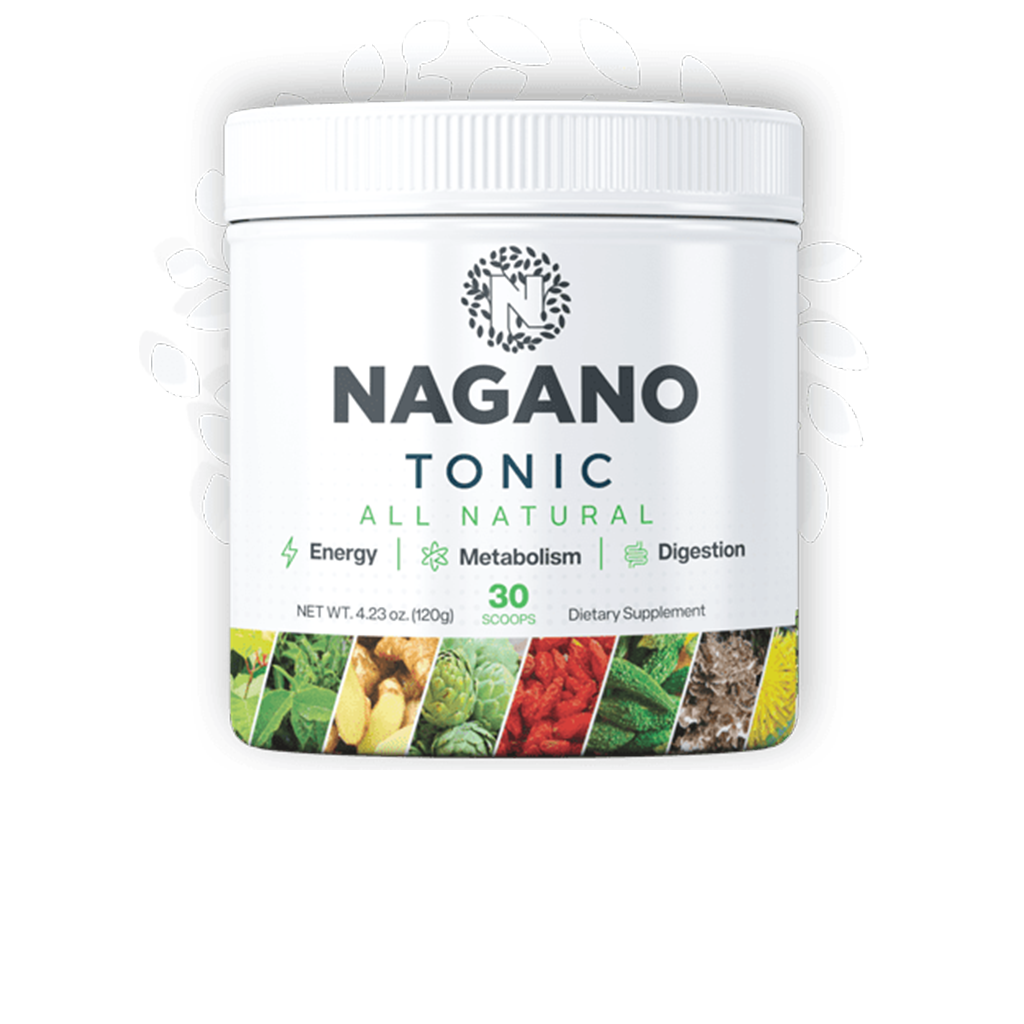
Nagano Tonic: Boost Metabolism, Minimize Cravings, and Support Weight Loss is a supplement designed for weight management. It aims to control appetite and cravings by combining soluble and insoluble fiber sources. The ingredient list features konjac glucomannan, chia seeds, chicory root inulin, almonds, roasted chickpeas, and berries—offering multiple types of fiber that expand in the digestive system to support satiety and provide nutritional and digestive benefits. This blend helps meet fiber needs and supports appetite management when diet alone isn’t sufficient.
Fiber-Rich Ingredient Table for Satiety
| Ingredient | Fiber Type | Why It Fits Appetite Control |
|---|---|---|
| Konjac Glucomannan | Soluble | Expands in the stomach, encourages fullness, slows digestion. |
| Chicory Root Inulin | Soluble | Supports healthy gut bacteria and fullness. |
| Chia Seeds | Soluble/Both | Creates a gel-like texture; slows stomach emptying for lasting satiety. |
| Almonds | Insoluble/Both | Adds bulk and crunch, promoting satisfaction with meals and snacks. |
| Berries | Soluble/Both | Provide fiber and antioxidants, enhance texture and fullness in dishes. |
| Roasted Chickpeas | Both | Crunchy, convenient snack combining both fiber types and protein. |
| Oats | Soluble | Beta-glucan slows digestion and helps with post-meal satiety. |
Related Product Table
| Product ID | Product Name | Product Page URL | Why It Fits |
|---|---|---|---|
| 51 | Nagano Tonic: Boost Metabolism, Minimize Cravings, and Support Weight Loss | View Product | Uses a blend of soluble and insoluble fiber sources (glucomannan, inulin, chia, nuts, berries, chickpeas) to help manage appetite. |
Summary Points
- Soluble and insoluble fibers both help increase fullness and curb snacking, but affect the digestive system in distinct ways.
- Good food sources include oats, chia seeds, berries, nuts, beans, and avocados.
- If you need additional support or your diet lacks variety, a fiber supplement blending both types—like Nagano Tonic—can be useful for appetite control.
- Consistently including both types of fiber through foods or quality supplements is a practical way to support regular appetite, healthy digestion, and balanced eating habits.
Useful information
- Disclaimer: This article contains affiliate links to products. We may receive a commission for purchases made through these links.
Related listings
-
Best Fiber-Rich Foods to Reduce Hunger and Aid Weight ManagementHigh-Fiber Foods for Appetite Management
Fiber plays an important role in suppressing appetite and promoting healthy weight management. Foods high in fiber help slow digestion, increase feelings of fullness, and make it easier to stick to healthy eating routines throughout the day. This article highlights the most effective fiber-rich foods, how they promote satiety, and shares tips for a...

-
How Diets High in Fiber Naturally Curb Cravings and OvereatingHigh-Fiber Foods for Appetite Management
The Biological Role of Fiber in Appetite Control Dietary fiber is a form of carbohydrate that the body cannot fully break down. Instead, fiber travels through the digestive system and plays a key role in managing hunger. Eating foods high in fiber causes the fiber to soak up water and expand in the stomach, which slows down digestion. This leads to...
-
High-Fiber Breakfast Options to Keep You Full All MorningHigh-Fiber Foods for Appetite Management
Choosing breakfasts rich in fiber is an effective way to stay full and energized through the morning. Fiber slows digestion, helping you feel satisfied, which can make managing cravings and maintaining a healthy weight easier. Explore how to begin your day with fiber-packed breakfast ideas and how these ingredients are used in weight management sup...



Health supplements