How Leafy Greens Help Brain and Nerve Health Supplement 39.00 $
- Location: United States
Nutrients in Leafy Greens That Aid Brain and Nerve Health
Leafy greens such as spinach, kale, Swiss chard, and arugula are valued for their rich blend of vitamins, minerals, and plant compounds. Many of the nutrients found in these greens specifically support the brain and nervous system:
- Magnesium: Important for transmitting nerve signals, relaxing muscles, and promoting calm concentration. Leafy greens are top plant sources of magnesium.
- Folate (Vitamin B9): Crucial for creating neurotransmitters and encouraging healthy brain growth and upkeep. Folate also helps with DNA repair and cell renewal.
- Vitamin C: Shields brain cells from oxidative stress, helping the brain remain resilient. It also helps the body take in iron, another key nutrient for mental performance.
- Vitamin K: Especially plentiful in kale and spinach. It helps maintain brain cell membrane structure.
- Antioxidants (lutein, beta-carotene, flavonoids): Protect nerve cells and help keep blood flowing well in the brain.
The Science: How Leafy Green Nutrients Work for Brain and Nerves
Studies highlight notable brain benefits linked to adding leafy greens to your diet. Here’s how the main nutrients in these greens work together:
- Magnesium soothes active nerves, promotes electrical balance in the brain, and contributes to better mood and clear thinking.
- Folate is needed both for making neurotransmitters that affect mood and mental speed and for preserving myelin sheaths around nerve fibers.
- Vitamin C and plant antioxidants fight free radicals, lowering oxidative stress, and help with memory and fast thinking.
- Lutein and beta-carotene interact with nerve cell membranes and may aid skills like visual processing and handling information.
Research shows that people who eat more leafy greens often do better on thinking and memory tests, with slower changes in memory with age and stronger mental skills.
Simple Ways to Add More Leafy Greens Daily
Including more greens in your meals can be easy. Try these practical meal tips and routines:
- Blend a handful of spinach or kale into morning smoothies for extra nutrition.
- Mix chopped Swiss chard or arugula into scrambled eggs or omelets.
- Use greens as the base for salads at lunch, adding berries, nuts, or seeds for more brain nourishment.
- Include finely chopped greens in soups, stews, stir-fries, or pasta dishes.
- Snack on kale or collard chips—store-bought or homemade.
Sample Green Smoothie for Brain Health
- 1 cup baby spinach
- 1/2 banana
- 1/2 cup frozen blueberries
- 1 tbsp chia seeds
- 1 cup unsweetened almond milk
- Blend together until smooth and enjoy!
The Most and Least Nutrient-Dense Greens for Brain Health
| Leafy Green | Brain-Supporting Nutrients | Nutrient Density (Per 100g) |
|---|---|---|
| Kale | Very high in vitamin K, lutein, beta-carotene, B6, C, calcium | Very High |
| Spinach | Abundant in folate, magnesium, iron, vitamin C, lutein | Very High |
| Swiss Chard | Magnesium, vitamin K, vitamin A, antioxidants | High |
| Arugula | Folate, vitamin C, calcium, glucosinolates | High |
| Iceberg Lettuce | Low in nutrients | Low |
| Butter Lettuce | Some vitamin K and folate | Medium |
When It’s Hard to Get Enough Greens: Supplement Alternatives
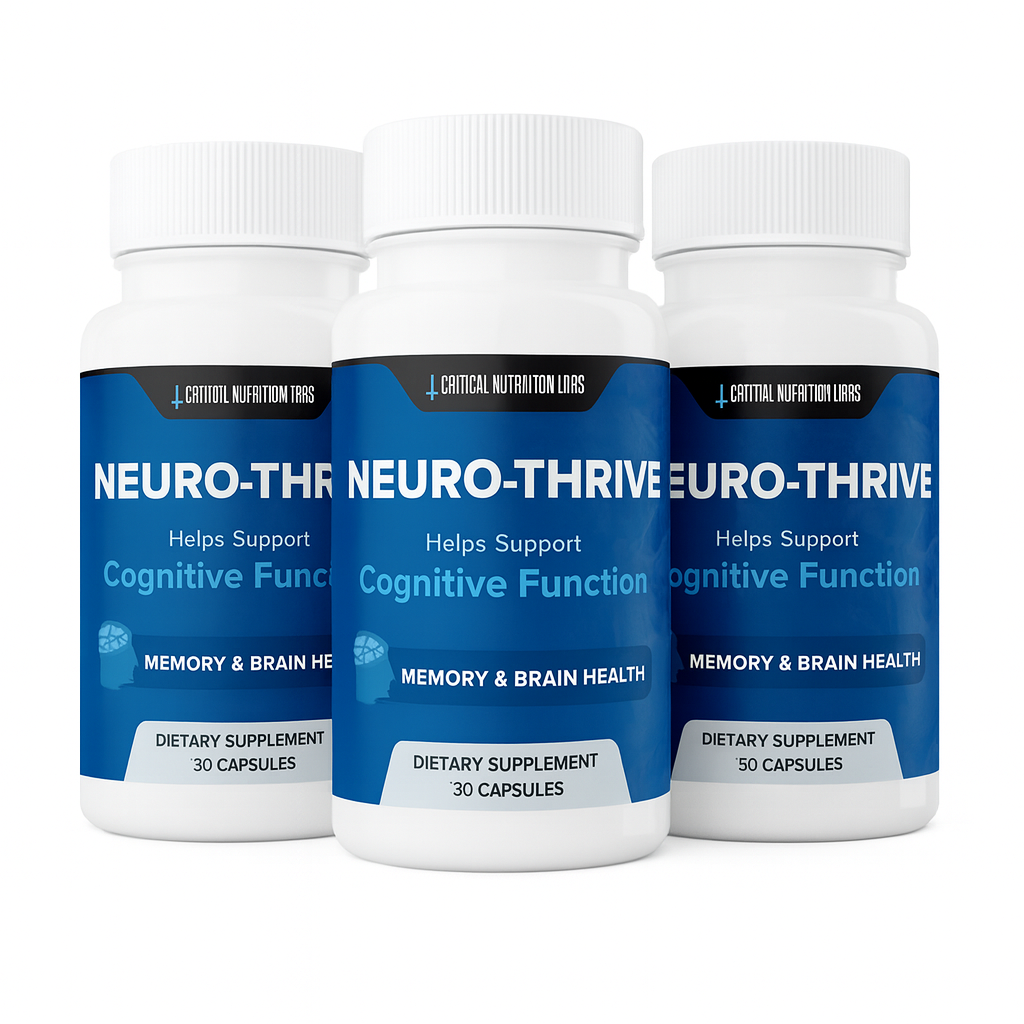
If eating enough leafy greens is tricky, specific supplements might help. The NeuroThrive: Boost Your Brain Power and Focus Today supplement includes concentrated greens, plus magnesium, berries, omega-3 DHA, and other nutrients like bacopa and lion's mane mushroom for added brain and nerve support. This can be helpful for those who want convenient support, especially if daily meals lack fresh greens.
Main Nutrients in Leafy Greens for Brain and Nerve Health
| Ingredient | Role in Brain & Nerve Health |
|---|---|
| Magnesium | Helps with nerve function, relaxation, and mental calmness |
| Folate (B9) | Needed for neurotransmitter creation and nerve protection |
| Vitamin C | Works as an antioxidant, shielding brain cells from damage |
| Lutein | Supports brain cell membrane health and thinking skills |
| Beta-carotene | Antioxidant and vitamin A source, important for brain communication |
Related Product Table
| Product ID | Product Name | Product Page URL | Why It Fits |
|---|---|---|---|
| 68 | NeuroThrive: Boost Your Brain Power and Focus Today | View Product | Offers concentrated greens, magnesium, berries, DHA, and proven nutrients that aid brain and nerve function. |
Key Points
- Leafy greens are flexible, nutrient-rich foods that strongly enhance brain performance and nerve activity due to nutrients like magnesium, folate, lutein, and vitamin C.
- Kale and spinach are top choices for supporting brain health, while iceberg lettuce offers much less.
- Regular meals such as smoothies, salads, or cooked greens are easy and enjoyable ways to meet your needs.
- Supplements like NeuroThrive combine potent, research-supported nutrients for brain support, especially if your diet is lacking.
Useful information
- Disclaimer: This article contains affiliate links to products. We may receive a commission for purchases made through these links.
Related listings
-
Top Foods to Enhance Nerve Health and Brain FunctionFoods and Nutrients to Support Cognitive Performance
Overview: Foods for Nerve and Brain Health Strong nerve function and sharp cognitive performance depend on more than genetics and lifestyle—what you eat each day can have a major impact. Recent research highlights foods packed with nutrients vital for nerve health, memory, focus, and overall brain function. This article highlights these foods, thei...
-
Omega-3 Fats: Essential Nutrients for Nerve Health and Mental ClarityFoods and Nutrients to Support Cognitive Performance
What are Omega-3 Fatty Acids and Why Are They Important for Nerve Health? Omega-3 fatty acids are essential polyunsaturated fats that play a major role in developing and protecting nerve cells throughout the body. The best-known omega-3s are DHA (docosahexaenoic acid) and EPA (eicosapentaenoic acid), both crucial for brain health, memory, and menta...

-
Easy Grocery Habits for Nerve Health and Brain EnergyFoods and Nutrients to Support Cognitive Performance
How to Organize a Shopping List for Brain and Nerve Nutrition Promoting nerve health and steady brain energy begins with a well-planned shopping list. Select foods that naturally contain essential vitamins, minerals, antioxidants, healthy fats, and plant phytonutrients. Sort your list by food group, emphasizing these staples: Proteins: eggs, Greek ...


Health supplements
