What it does: ALA is involved in mitochondrial energy metabolism, helps recycle other antioxidants like vitamins C and E, and supports protection of cells from oxidative stress. It also plays a role in helping maintain healthy nerve and blood sugar function.
How it is used: ALA is commonly taken for nerve support, healthy aging, metabolic wellness, and to aid normal blood sugar levels.
Natural sources and supplement forms: ALA is present in small amounts in foods such as spinach, broccoli, organ meats, and red meat. Supplements use mostly synthetic ALA in forms like capsules, tablets, and powders.
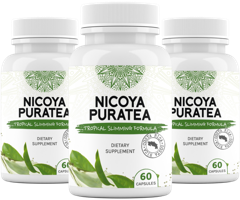
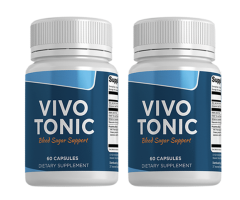
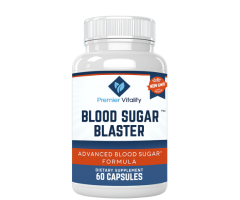
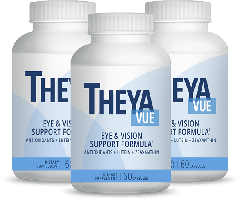
Why it appears in supplement formulas: Supplement brands use ALA for its broad antioxidant actions, support for cellular energy, and potential to help protect nerves and support balanced blood sugar metabolism.
What to know before use: ALA may reduce blood sugar, so individuals using diabetes medications or monitoring blood glucose should seek medical advice before using ALA supplements.
Interesting Fact
Alpha Lipoic Acid: Found in Every Cell, Not Just Supplements
Alpha Lipoic Acid is unique because your body naturally produces it in tiny amounts, and it plays a key role in turning food into energy within every cell. While you get small doses from foods like spinach, broccoli, and red meat, supplementing with alpha lipoic acid provides a concentrated form that is often used to support your body’s natural energy-making processes.