What it does: Chaga is particularly rich in antioxidants and is studied for its ability to help protect cells from oxidative stress, support immune defenses, and contribute to the maintenance of overall cellular health.
How it is used: It is commonly used in supplements aimed at supporting immune resilience, reducing oxidative stress, managing inflammation, and promoting healthy aging.
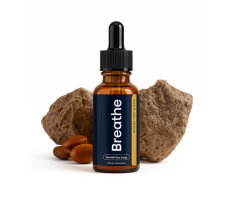
Natural sources and supplement forms: Chaga grows wild on birch trees in cold forests and is provided in supplements as dried powder, hot water extracts, capsules, tablets, tinctures, or teas. Some products are standardized for polysaccharide or antioxidant content.
Why it appears in supplement formulas: Chaga is included for its antioxidant potential and traditional reputation for immune and vitality support, appealing to users seeking natural ways to reinforce the body's defenses and adapt to stress.
What to know before use: Chaga can interact with blood-thinning medications and may affect immune function; consult your healthcare provider if you have bleeding disorders or are taking immune-related medications.
Interesting Fact
Chaga: The 'Black Gold' of Birch Forests
Chaga mushroom naturally grows on birch trees in cold climates and forms a dense, dark mass called a sclerotium. Unlike other edible mushrooms, chaga is not a fruiting body but a unique structure packed with melanin and compounds called polysaccharides, making it a distinctive ingredient in wellness supplements. Traditionally, it has been brewed as a tea in Northern European and Siberian cultures for centuries.