Ingredient Guide

Cordyceps Sinensis

Cordyceps Sinensis is a unique fungus traditionally used in Chinese and Tibetan medicine to support physical endurance, respiratory function, and immune health. Its bioactive compounds are thought to help the body adapt to physical stress and increase energy at the cellular level.

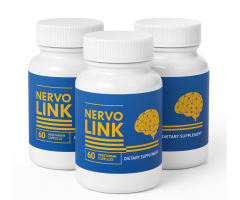
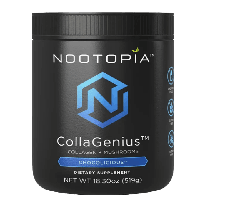
3 related supplements 0 related articles Ingredient database

Cordyceps Sinensis

Explore supplement formulas that feature this ingredient and compare useful context before you choose a product.

3Products
0Articles
Ingredient guide

Cordyceps Sinensis

What it is: Cordyceps Sinensis is a medicinal fungus native to high-altitude Himalayan regions, known for parasitizing caterpillar larvae and valued in traditional practices for its health-promoting properties.
What it does: It is thought to support cellular energy (ATP) production, enhance oxygen utilization, and promote resilience to physical and metabolic stress, with bioactive molecules like cordycepin connected to its adaptogenic and immune-modulating effects.
How it is used: People commonly use Cordyceps Sinensis for stamina, athletic performance, respiratory support, energy maintenance, and general vitality, especially during periods of exertion or recovery.
Natural sources and supplement forms: Wild Cordyceps Sinensis is rare and highly prized, leading most supplements to use lab-grown mycelium or cultivated fruiting body extracts. It is available as capsules, powders, and liquid extracts.
Why it appears in supplement formulas: It is chosen for formulas aimed at energy, sports performance, stress adaptation, and immune balance, thanks to its reputation for boosting vitality without being stimulant-based.
What to know before use: While generally well tolerated, those with autoimmune conditions or on immunosuppressant or blood thinning medications should seek medical advice before use.
Interesting Fact

Cordyceps Sinensis: Nature’s High-Altitude Fungus

Cordyceps Sinensis is a rare fungus that naturally grows above 11,500 feet on the Tibetan Plateau and Himalayan regions, thriving in the harsh, cold mountain meadows. Traditionally prized in both Chinese and Nepalese cultures, it grows by parasitizing moth larvae, which makes it one of the most unique and sought-after fungi used in supplement formulas today.

FAQ

Frequently Asked Questions About Cordyceps Sinensis

What is Cordyceps Sinensis and how is it traditionally used?

Cordyceps Sinensis is a parasitic fungus native to the Tibetan Plateau and Himalayan regions, historically used in Chinese and Tibetan medicine. It has been valued for supporting energy, stamina, and respiratory health, and is traditionally consumed as a tonic to help the body adapt to stress and high-altitude conditions.

How does Cordyceps Sinensis support athletic performance?

Cordyceps Sinensis is studied for its potential to support energy production and enhance oxygen utilization. Athletes use it to help promote endurance and reduce feelings of fatigue. The fungus contains compounds that may help the body use oxygen more efficiently during exercise, making it popular in sports and vitality-focused supplements.

Are most Cordyceps Sinensis supplements made from wild or cultivated sources?

Because wild Cordyceps Sinensis is extremely rare and costly, nearly all dietary supplements use cultivated or fermented forms. These are usually grown from mycelium or fruiting bodies in controlled environments. Cultivated sources provide similar bioactive compounds without the contamination risks sometimes found in wild-harvested fungi.

Is Cordyceps Sinensis safe for everyone to use?

Cordyceps Sinensis is generally well tolerated, but individuals with autoimmune conditions or those taking immunosuppressant medication should consult a healthcare provider before use. Wild-harvested sources may also contain heavy metals, so most supplements use lab-grown extracts to reduce this risk. Always choose products from reputable suppliers.


Health supplements

buy supplements