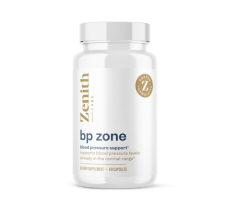
What it does: Hibiscus is studied for its ability to support vascular relaxation, help maintain healthy blood pressure levels, and provide cellular protection against oxidative stress.
How it is used: It is most commonly used for cardiovascular support, promoting circulatory health, and as a source of antioxidants in both supplements and functional beverages.
Natural sources and supplement forms: Hibiscus grows in tropical regions and is used in dried, powdered, or standardized extract forms; these are available in capsules, tablets, drink mixes, and teas.
Why it appears in supplement formulas: Hibiscus is chosen for its traditional and research-backed role in cardiovascular and antioxidant support, appealing to people seeking natural plant-based options.
What to know before use: Because hibiscus can help lower blood pressure, speak to your healthcare provider if you take blood pressure medication, are pregnant, or breastfeeding.
Interesting Fact
Hibiscus: A Tropical Flower Used for Centuries in Tea Blends
Hibiscus is not just prized for its vibrant blooms—dried hibiscus petals have been used around the world for centuries to create tart, ruby-red teas. This tropical plant is a source of natural plant compounds, including anthocyanins, which give it its deep color. Hibiscus tea is enjoyed both hot and cold, making it a popular traditional beverage from Egypt to the Caribbean.