Ingredient Guide

Holy Basil

Holy Basil (Ocimum tenuiflorum or tulsi) is a leafy plant used in traditional Ayurvedic practices, known for compounds like eugenol and ursolic acid that may help the body adapt to stress. People use Holy Basil supplements to support stress management, balanced mood, and immune function.

6 related supplements 1 related articles Ingredient database

Holy Basil

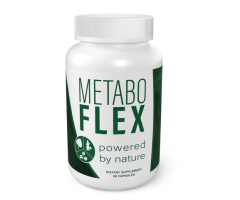
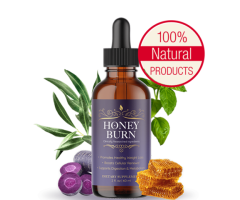
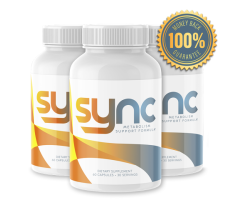
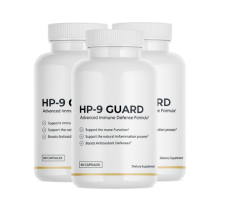
Explore supplement formulas that feature this ingredient and compare useful context before you choose a product.

6Products
1Articles
Ingredient guide

Holy Basil

What it is: Holy Basil, also called tulsi, is an aromatic herb from the Ocimum tenuiflorum plant and is prized in Ayurveda for its unique blend of active plant compounds, including eugenol, ursolic acid, and rosmarinic acid.
What it does: Holy Basil is classified as an adaptogen, meaning it may help regulate the body's stress response, support mood stability, and contribute antioxidant protection for cells and the immune system.
How it is used: It is commonly taken for stress relief, emotional balance, and immune support, often as capsules, teas, or tinctures for overall wellness.
Natural sources and supplement forms: The plant is native to South Asia and is used fresh, dried, or as concentrated extracts in supplement capsules, herbal teas, powders, and liquid drops.
Why it appears in supplement formulas: Holy Basil is valued for its adaptogenic and antioxidant properties, making it a popular choice for people seeking natural options to manage stress and maintain immune health.
What to know before use: Holy Basil may influence blood sugar levels and blood clotting; consult your healthcare provider if you take blood-thinning or diabetes medications.
Interesting Fact

Holy Basil: A Sacred Herb Used for Centuries

Holy basil, also known as tulsi, is an aromatic plant native to tropical Asia that has been valued in traditional Indian culture for its distinctive clove-like aroma and use in daily rituals. Its leaves naturally contain a range of plant compounds, including essential oils, which contribute to its characteristic spicy flavor and aroma commonly enjoyed in teas and culinary dishes.
FAQ

Frequently Asked Questions About Holy Basil

What is Holy Basil used for in dietary supplements?

Holy Basil, also known as tulsi, is most commonly used in supplements for stress management, mood support, and to promote immune system balance. Its adaptogenic properties are valued for helping the body respond to physical and emotional stress, while its antioxidant compounds are studied for supporting overall wellness.

Are there any safety considerations when using Holy Basil supplements?

Holy Basil is generally well-tolerated, but individuals taking medications for blood sugar control or blood clotting should exercise caution, as Holy Basil may influence these processes. It’s recommended to consult a healthcare professional before combining Holy Basil with such medications or if you have underlying health conditions.

What forms of Holy Basil are found in supplements?

Holy Basil supplements are available as dried leaf powders, standardized herbal extracts, capsules, and tinctures. Extracts may be standardized for specific active compounds like eugenol or ocimumosides, which are linked to its adaptogenic effects. Capsule and tincture forms are popular for convenience and measured dosing.

How does Holy Basil differ from other adaptogens like ashwagandha?

Holy Basil and ashwagandha are both used for stress support, but they contain different active compounds. Holy Basil contains eugenol and ocimumosides, while ashwagandha is rich in withanolides. This gives each botanical unique properties and traditional uses; for example, Holy Basil is often highlighted for immune function, whereas ashwagandha is more associated with energy and cognitive benefits.


Health supplements

buy supplements