Ingredient Guide

L-Carnitine

L-Carnitine is a nutrient-like compound made in the body from lysine and methionine that helps transport fatty acids into mitochondria for energy production. It is commonly used in supplements to support fat metabolism, athletic endurance, and recovery in physically active people.

9 related supplements 1 related articles Ingredient database

L-Carnitine

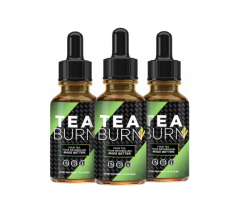
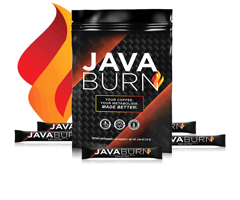
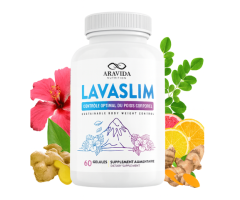
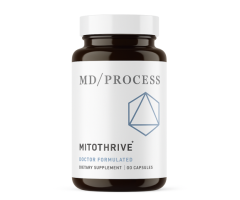
Explore supplement formulas that feature this ingredient and compare useful context before you choose a product.

9Products
1Articles
Ingredient guide

L-Carnitine

What it is: L-Carnitine is a compound naturally produced in the body from the amino acids lysine and methionine. It is not a dietary amino acid, but is crucial for cellular energy and fat metabolism, especially in muscles and the heart.
What it does: L-Carnitine helps move long-chain fatty acids into the mitochondria, where they are turned into cellular energy. This role is important for muscle performance, energy balance, and recovery after exercise.
How it is used: People take L-Carnitine supplements to support physical stamina, aid exercise recovery, assist fat metabolism, and help with weight management during periods of increased activity or training.
Natural sources and supplement forms: L-Carnitine is most concentrated in animal foods such as red meat, fish, poultry, and dairy. Supplements are available as L-carnitine base, acetyl-L-carnitine, and propionyl-L-carnitine in capsules, tablets, liquids, and powders.
Why it appears in supplement formulas: L-Carnitine is used in formulas to support energy production from fat, promote athletic performance, and aid muscle recovery due to its key metabolic functions.
What to know before use: Most people tolerate L-Carnitine well, but high doses may cause digestive upset; discuss use with your doctor if you have underlying kidney issues or are taking medication for seizures.
Interesting Fact

L-Carnitine Helps Transport Energy Inside Your Cells

L-Carnitine plays a key role in turning fat into energy by helping shuttle fatty acids into the mitochondria—the part of your cells that acts like a power plant. This process is important for energy production, especially in muscles with high energy demands, such as the heart and skeletal muscles. You can find L-Carnitine naturally in red meat, fish, poultry, and dairy products.
FAQ

Frequently Asked Questions About L-Carnitine

What is the main function of L-Carnitine in the body?

L-Carnitine’s primary function is to transport long-chain fatty acids into the mitochondria of cells, where they are converted into cellular energy. This process is especially important in muscle cells, including heart and skeletal muscles, which have high energy demands.

What are the different forms of L-Carnitine used in supplements?

Common supplement forms include free L-carnitine (base form), L-carnitine tartrate (often used in sports supplements), acetyl-L-carnitine (crosses the blood-brain barrier), and propionyl-L-carnitine. Each form may have slightly different absorption properties and is used for somewhat distinct support goals.

Are there natural food sources of L-Carnitine?

Yes, L-Carnitine is naturally found in foods such as red meat, fish, poultry, and dairy products. Red meat, particularly beef and lamb, is among the richest sources. Smaller amounts are present in plant foods, so vegetarians and vegans typically get less L-carnitine from their diet.
Can L-Carnitine supplements interact with medications or health conditions?

L-Carnitine supplements are generally well-tolerated, but individuals with kidney disease or those taking anticoagulant medications should consult a healthcare provider before use, as high doses may affect kidney function or interact with certain medications.


Health supplements

buy supplements