Ingredient Guide

L-Citrulline

L-Citrulline is a naturally occurring amino acid involved in the body’s urea cycle, where it helps remove ammonia and supports the production of nitric oxide. It is commonly used by athletes to support blood flow, exercise endurance, and muscle recovery by promoting better circulation.

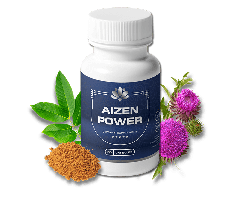
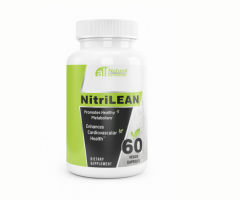
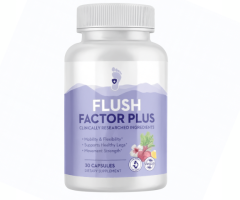
3 related supplements 1 related articles Ingredient database

L-Citrulline

Explore supplement formulas that feature this ingredient and compare useful context before you choose a product.

3Products
1Articles
Ingredient guide

L-Citrulline

What it is: L-Citrulline is a non-essential amino acid naturally produced by the body and found in foods such as watermelon. It plays an important role in the urea cycle and nitric oxide metabolism.
What it does: L-Citrulline supports the conversion of ammonia into urea for elimination and helps increase nitric oxide levels, which relaxes blood vessels and enhances blood flow throughout the body.
How it is used: This amino acid is commonly used in sports nutrition and pre-workout supplements to support exercise endurance, reduce muscle fatigue, and aid post-exercise recovery.
Natural sources and supplement forms: Watermelon is the richest natural source of L-citrulline, with lower amounts present in other melons and certain vegetables. Supplement forms include pure L-citrulline powder, capsules, and L-citrulline malate (combined with malic acid).
Why it appears in supplement formulas: L-Citrulline is valued for its ability to help promote circulation, support stamina, and improve athletic performance by encouraging natural nitric oxide production.
What to know before use: L-Citrulline is generally well tolerated, but people on blood pressure or cardiovascular medications should consult a healthcare provider before starting supplementation.
Interesting Fact

L-Citrulline: Watermelon’s Secret Amino Acid

L-Citrulline gets its name from Citrullus, the Latin word for watermelon, because it was first discovered in watermelon pulp over a century ago. This non-essential amino acid is a key player in the body’s urea cycle, helping convert ammonia to urea for excretion. Naturally present in watermelon, L-citrulline is often used in supplements to support natural metabolic pathways.
FAQ

Frequently Asked Questions About L-Citrulline

What is L-Citrulline and how does it support exercise performance?

L-Citrulline is a non-essential amino acid that supports nitric oxide production in the body. Nitric oxide helps relax and widen blood vessels, which can improve blood flow and oxygen delivery to muscles during exercise. L-Citrulline is commonly used in pre-workout supplements to support endurance, performance, and the “muscle pump” sensation during workouts.

What is the difference between L-Citrulline and L-Arginine in supplements?

Both L-Citrulline and L-Arginine are amino acids involved in nitric oxide production, but L-Citrulline is often preferred in supplements because it is more efficiently absorbed and converted into L-Arginine in the body. This means L-Citrulline can support sustained nitric oxide levels better than L-Arginine when taken orally.

Are there natural food sources of L-Citrulline?

Watermelon is the most notable natural source of L-Citrulline, with smaller amounts found in other fruits and vegetables such as cucumbers, gourds, and certain squashes. However, the amounts in food are usually lower than what is provided in dietary supplements aimed at supporting exercise performance or blood flow.

Can L-Citrulline be taken with other ingredients for better results?

L-Citrulline is often paired with malic acid in the form of L-citrulline malate to support energy production and reduce muscle fatigue. It’s also commonly combined with ingredients like beta-alanine, creatine, or caffeine in pre-workout formulas to provide a broader range of exercise performance support.


Health supplements

buy supplements