What it does: Pygeum is studied for its ability to support prostate health and comfort, help maintain healthy urinary patterns, and ease lower urinary tract discomforts, especially in adult men.
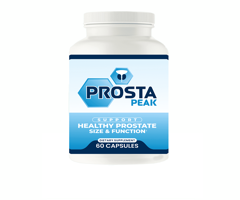
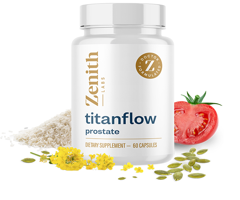
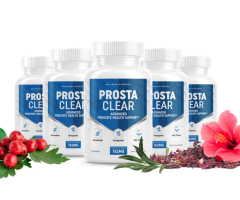
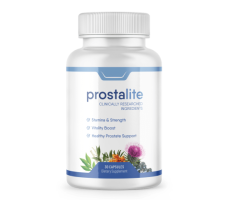
How it is used: It is most often used in supplements aimed at supporting prostate function and improving urinary flow, particularly for concerns like frequent nighttime urination or weak flow.
Natural sources and supplement forms: Pygeum is sourced from the dried bark of Prunus africana, a tree native to Africa, and is typically offered as standardized extracts in capsules, tablets, softgels, or liquid forms.
Why it appears in supplement formulas: Brands include pygeum due to its traditional use and research highlighting specific plant sterols and fatty acids that support urinary comfort and male reproductive well-being.
What to know before use: Pygeum is generally well tolerated but may cause mild digestive upset in some people; consult a healthcare professional if you are taking prostate or urinary medications.
Interesting Fact
Pygeum Comes from the African Cherry Tree
Pygeum is an extract taken from the bark of the African cherry tree (Prunus africana), a species native to mountain regions in Africa. For generations, local communities have valued pygeum bark for its unique natural compounds, which have made it a popular choice in traditional wellness practices and modern supplement formulas alike.