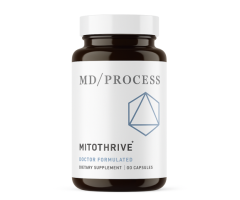
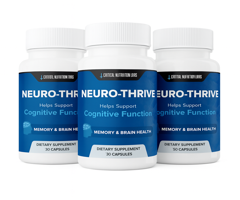
What it does: PQQ supports the growth and efficiency of mitochondria—the cell’s energy producers—and helps protect cells from oxidative stress. It is associated with benefits for energy levels, cognitive functioning, and long-term cellular health.
How it is used: PQQ is often taken to support mitochondrial function, mental clarity, resistance to fatigue, and healthy aging, especially in formulas targeting energy or brain health.
Natural sources and supplement forms: PQQ occurs naturally in foods such as kiwi, green peppers, papaya, and fermented soybeans. Supplement products usually contain purified or biofermented PQQ, typically as PQQ disodium salt in capsules or tablets.
Why it appears in supplement formulas: Brands include PQQ for its ability to promote cellular energy production, mitochondrial efficiency, and antioxidant activity, which appeals to those seeking energy support and cognitive benefits.
What to know before use: PQQ is generally well tolerated, but individuals who are pregnant, nursing, or have specific health concerns should consult a healthcare professional before use.
Interesting Fact
Pyrroloquinoline Quinone Is Found in Common Foods Like Kiwi and Papaya
Pyrroloquinoline Quinone (PQQ) is a micronutrient present in small amounts in various foods such as kiwi, papaya, spinach, and green peppers. Though not considered an essential vitamin, PQQ occurs naturally in the diet and is recognized for its role as a redox cofactor, participating in cellular energy processes within the body.