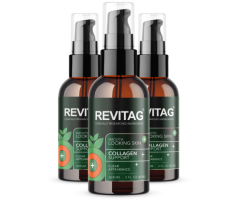
What it does: This oil supports skin hydration, elasticity, and the health of mucous membranes (such as those lining the eyes, mouth, and digestive tract) and provides antioxidant protection against cellular stress.
How it is used: People use sea buckthorn oil in supplements to nourish dry or mature skin, maintain moisture in the eyes and mouth, and promote beauty from within, as well as in women's wellness and hydration blends.
Natural sources and supplement forms: Naturally found in sea buckthorn berries and seeds, the oil is harvested from these plant parts and processed into softgels, capsules, liquid oils, or topical serums. Berry oil, seed oil, or combinations may be listed on labels.
Why it appears in supplement formulas: Its unique omega-7 and antioxidant profile makes sea buckthorn oil sought after for formulas that support skin barrier function and mucosal hydration, especially for those with dry or sensitive skin.
What to know before use: Sea Buckthorn Oil is generally well-tolerated, but its strong orange pigments can occasionally cause harmless orange color in urine or stool. Consult a healthcare provider before use during pregnancy or with fat absorption medications.
Interesting Fact
Sea Buckthorn Oil: A Rare Source of Omega-7 Fatty Acids
Sea Buckthorn Oil stands out among plant oils because it naturally contains omega-7 fatty acids, particularly palmitoleic acid. Omega-7 is less common in the diet than omega-3 or omega-6, and Sea Buckthorn's bright orange berries are one of the richest natural sources. This makes Sea Buckthorn Oil a unique addition to supplement formulas focused on plant-based nutrition.