What it does: It helps regulate inflammatory signals in skin cells, reducing the activity of cytokines associated with redness, irritation, and signs of skin aging.
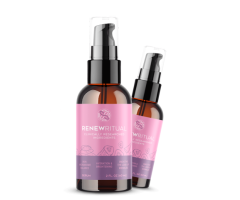
How it is used: Tetrapeptide-7 is commonly found in topical skincare serums, creams, and sometimes in oral supplements, where it is intended to help calm stressed or sensitive skin and reinforce the skin's barrier.
Natural sources and supplement forms: This peptide does not occur naturally in plants or foods; it is made in the lab and supplied in topical or encapsulated supplement forms, often combined with fatty acids for better skin absorption.
Why it appears in supplement formulas: Brands use tetrapeptide-7 for its ability to ease skin redness, support repair, and maintain barrier resilience—properties valued for sensitive, aging, or environmentally stressed skin.
What to know before use: Most users tolerate it well, but individuals with known sensitivities or autoimmune conditions should consult a healthcare provider before starting, especially when used orally or on reactive skin.
Interesting Fact
Tetrapeptide-7: Inspired by the Body’s Own Immune Proteins
Tetrapeptide-7 is a lab-designed peptide based on a sequence found in your body’s immunoglobulin G, a key player in immune defense. When paired with a fatty acid for better absorption, tetrapeptide-7 is commonly added to supplements and skin formulas for its role in supporting skin repair and resilience, making it a unique ingredient with roots in natural body chemistry.