Ingredient Guide

Vitamin B1

Vitamin B1, also called thiamine, is a water-soluble B vitamin essential for turning carbohydrates into energy and supporting normal nerve and muscle function. People often take it to help maintain steady energy levels and support healthy nervous system activity.

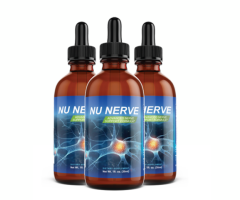
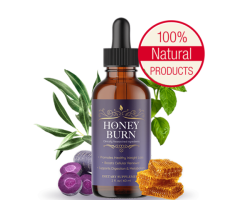
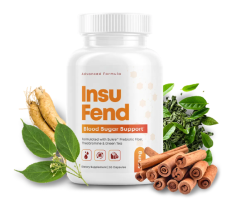
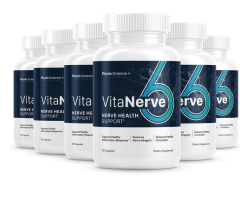
4 related supplements 0 related articles Ingredient database

Vitamin B1

Explore supplement formulas that feature this ingredient and compare useful context before you choose a product.

4Products
0Articles
Ingredient guide

Vitamin B1

What it is: Vitamin B1 (thiamine) is an essential water-soluble B vitamin that the body cannot produce on its own. It is a small organic molecule vital for human nutrition and cellular energy.
What it does: Thiamine supports the conversion of carbohydrates into energy at the cellular level, and is needed for healthy nerve signaling and muscle function.
How it is used: Thiamine is often used in supplements aimed at supporting daily energy production, mental clarity, and nerve health, especially for those who may not get enough through their diet.
Natural sources and supplement forms: Natural sources include whole grains, beans, seeds, nuts, and pork. Supplement forms are usually thiamine hydrochloride or thiamine mononitrate, found in B-complex, multivitamins, or as standalone products.
Why it appears in supplement formulas: Vitamin B1 is included because of its key role in cellular energy production and nerve health, making it valuable for people with restricted diets or increased metabolic needs.
What to know before use: Thiamine is generally well tolerated. Excess amounts are rare in causing side effects, but very high doses may sometimes lead to mild digestive upset.
Interesting Fact

Vitamin B1: The 'Spark Plug' for Energy Release

Vitamin B1, also called thiamine, plays a key role in helping your body convert the carbohydrates you eat into energy. It acts like a spark plug for your metabolism, supporting the process in which food is transformed into usable fuel. Whole grains, beans, and seeds are natural sources, but B1 is often included in supplements to support consistent intake when diets may be low in these foods.
FAQ

Frequently Asked Questions About Vitamin B1

What is Vitamin B1 (thiamine) used for in dietary supplements?

Vitamin B1, also called thiamine, is used in dietary supplements primarily to support energy metabolism and nervous system health. It acts as a coenzyme that helps the body convert carbohydrates into usable energy and plays a central role in maintaining healthy nerve and muscle function. It's often included for individuals who may not get enough B1 from their diet.

What are natural food sources of Vitamin B1?

Vitamin B1 is naturally present in foods such as whole grains (like brown rice and oats), legumes (beans and lentils), seeds, nuts, and pork. Some foods, like breakfast cereals and breads, are fortified with thiamine to help increase intake in the general population. These natural sources help maintain regular thiamine levels when included in a balanced diet.

How does thiamine hydrochloride differ from other forms of Vitamin B1 in supplements?

Thiamine hydrochloride is a stable, water-soluble salt form of Vitamin B1 commonly used in supplements because of its good absorption and shelf stability. Another common form is thiamine mononitrate. Both provide equivalent thiamine activity, though slight differences in their molecular structure impact how they are processed during manufacturing, not their effectiveness in the body.

Are there any interactions or safety concerns to consider with Vitamin B1 supplementation?

Vitamin B1 is generally considered safe at typical supplemental levels, as excess amounts are usually excreted in urine. Rarely, very high doses may cause mild digestive upset in sensitive people. Thiamine has few known significant interactions, but if you have specific medical conditions or are taking other medications, consult your healthcare provider before starting supplements.


Health supplements

buy supplements