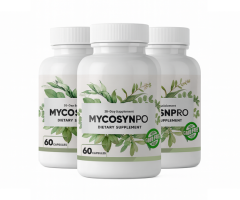
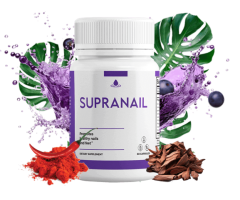
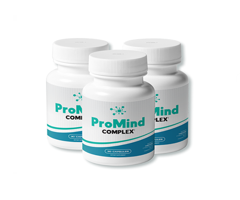
Ingredient Guide

Vitamin C

Vitamin C is an essential water-soluble vitamin involved in protecting cells from oxidative stress, supporting immune function, and enabling the body to form collagen for skin and tissue health. People use it in supplements to help strengthen immune defenses and maintain healthy skin and connective tissues.

12 related supplements 1 related articles Ingredient database

Vitamin C

Explore supplement formulas that feature this ingredient and compare useful context before you choose a product.

12Products
1Articles
Ingredient guide

Vitamin C

What it is: Vitamin C, or ascorbic acid, is an essential water-soluble vitamin naturally found in various fruits and vegetables, required for numerous metabolic and cellular functions in the human body.
What it does: It supports the immune system, helps protect cells as an antioxidant, and is necessary for producing collagen, which is vital for healthy skin, bones, and connective tissues.
How it is used: Vitamin C is commonly taken to support immune defenses, aid in skin repair, and defend cells against oxidative stress, especially during illness or periods of high physical demand.
Natural sources and supplement forms: It is naturally abundant in citrus fruits, strawberries, kiwi, bell peppers, and broccoli. Supplemental forms include ascorbic acid, sodium ascorbate, and calcium ascorbate, available as tablets, powders, capsules, and chewables.
Why it appears in supplement formulas: Vitamin C is included to help maintain immune health, protect cells from free radical damage, and support collagen production when dietary intake might not be sufficient.
What to know before use: High doses may lead to mild digestive issues, such as loose stools or stomach upset, so moderation is recommended for most users.
Interesting Fact

Vitamin C: The Collagen Connection

Vitamin C plays a crucial role in the body as it is needed to produce collagen, a protein that helps maintain healthy skin, cartilage, and blood vessels. Unlike most animals, humans can't make their own vitamin C and must get it from foods like oranges, strawberries, and bell peppers, making regular intake important for supporting internal repair processes.
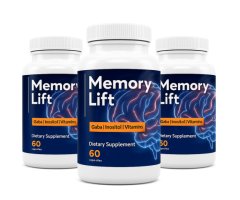
FAQ

Frequently Asked Questions About Vitamin C

What are the main benefits of taking Vitamin C supplements?

Vitamin C supplements are commonly used to support immune health, provide antioxidant protection against free radicals, and promote collagen synthesis for healthy skin, joints, and blood vessels. Vitamin C also aids in the absorption of non-heme iron from plant-based foods, making it helpful for those with vegetarian or vegan diets.

How is ascorbic acid different from other forms of Vitamin C in supplements?

Ascorbic acid is the pure, basic form of Vitamin C. Other forms, such as sodium ascorbate or calcium ascorbate, are mineral ascorbates, which combine ascorbic acid with minerals like sodium or calcium. These versions may be gentler on sensitive stomachs or provide added mineral content, but all forms deliver Vitamin C activity.

Which foods are rich in natural Vitamin C if I want to get it from my diet?

Foods high in Vitamin C include citrus fruits (like oranges and grapefruits), strawberries, kiwi, bell peppers, broccoli, and Brussels sprouts. These fruits and vegetables provide Vitamin C along with other beneficial nutrients and fiber, making them excellent natural sources.

Can high doses of Vitamin C supplements cause side effects?

High doses of Vitamin C, especially above 1,000 mg per day, may cause digestive upset, such as diarrhea, abdominal cramps, or nausea in some people. Most individuals tolerate standard supplement doses well. People with certain health conditions or on specific medications should consult their healthcare provider before using high-dose Vitamin C supplements.


Health supplements

buy supplements