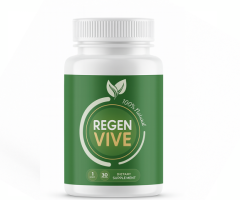
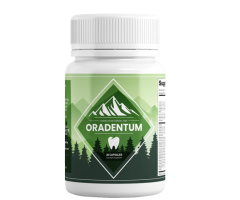
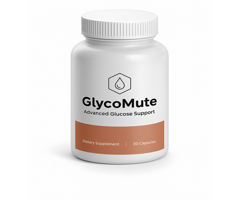
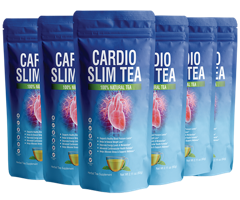
Ingredient Guide

White Mulberry

White mulberry (Morus alba) is a plant whose leaves and fruit are rich in 1-deoxynojirimycin (DNJ), a compound that can reduce the absorption of carbohydrates, supporting normal blood sugar levels after meals. It is often used in supplements for metabolic support and antioxidant defense.

7 related supplements 0 related articles Ingredient database

White Mulberry

Explore supplement formulas that feature this ingredient and compare useful context before you choose a product.

7Products
0Articles
Ingredient guide

White Mulberry

What it is: White mulberry is a botanical, specifically the leaves and fruit of the Morus alba tree, known for containing bioactive compounds such as 1-deoxynojirimycin (DNJ).
What it does: DNJ in white mulberry inhibits certain enzymes involved in carbohydrate breakdown, which helps modulate the body’s absorption of sugars and supports healthy post-meal blood glucose control. The plant also contains antioxidant polyphenols.
How it is used: It is commonly taken for blood sugar support, metabolic wellness, and to contribute plant-based antioxidants.
Natural sources and supplement forms: White mulberry naturally grows across Asia, and its leaves, fruit, and sometimes root bark are used in teas, powders, standardized extracts, capsules, and occasionally in dried fruit or whole-leaf products.
Why it appears in supplement formulas: It is chosen for its ability to help regulate carbohydrate absorption and support balanced blood sugar, especially after meals, as well as for its antioxidant contributions.
What to know before use: Individuals using diabetes medication or with hypoglycemia should consult a healthcare professional before use, as white mulberry can influence blood sugar levels.
Interesting Fact

White Mulberry: A Traditional Fruit Native to Asia

White mulberry (Morus alba) naturally grows throughout Asia and has been cultivated for centuries, mainly for its leaves, which are the primary food source for silkworms. The plant’s leaves, fruit, and roots are all used in traditional practices and contain unique plant compounds, making it a notable inclusion in modern supplement blends.

FAQ

Frequently Asked Questions About White Mulberry

How does white mulberry support healthy blood sugar levels?

White mulberry leaf contains a compound called 1-deoxynojirimycin (DNJ), which can inhibit certain enzymes that help digest carbohydrates. This action may slow carbohydrate absorption in the gut, helping to support healthy blood sugar levels following meals. White mulberry is often included in supplement blends designed for metabolic wellness.

What forms of white mulberry are most commonly used in supplements?

White mulberry is most commonly found in supplements as dried leaf powder, standardized extracts (highlighting DNJ content), capsules, and teas. Extracts are often chosen for their concentrated levels of active compounds, while teas and powders provide a traditional approach using the whole leaf.

Can white mulberry be combined with other ingredients for metabolic support?

Yes, white mulberry is sometimes paired with other plant extracts such as cinnamon, berberine, or bitter melon in supplements focused on blood sugar and metabolic wellness. These combinations aim to provide synergistic support but should be used cautiously, especially by individuals already using blood sugar–modulating medications.

Are there any safety considerations when taking white mulberry supplements?

White mulberry can affect blood sugar levels, so individuals using diabetes medications or those with hypoglycemia should consult a healthcare professional before using it. There is potential for additive effects with other glucose-lowering supplements or drugs. Safety for use during pregnancy or breastfeeding is not established.


Health supplements

buy supplements