Ingredient Guide

Zeaxanthin

Zeaxanthin is a yellow-orange carotenoid pigment found in many fruits and vegetables that functions as an antioxidant in the eyes. It accumulates in the macula, where it helps filter damaging blue light and supports healthy adult vision and macular health.

6 related supplements 1 related articles Ingredient database

Zeaxanthin

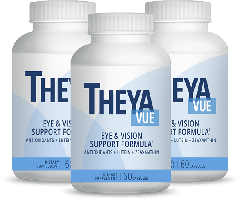
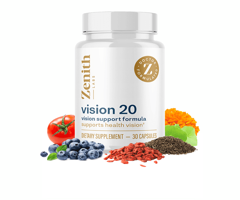
Explore supplement formulas that feature this ingredient and compare useful context before you choose a product.

6Products
1Articles
Ingredient guide

Zeaxanthin

What it is: Zeaxanthin is a carotenoid, a type of plant-based antioxidant pigment, found naturally in colorful produce such as corn, orange bell peppers, and goji berries. It is closely related to lutein and is one of the main pigments concentrated in the retina's macula.
What it does: Zeaxanthin helps protect eye cells from oxidative stress by neutralizing free radicals and filtering high-energy blue light, both of which are risk factors for age-related vision problems. This supports overall eye health and may help maintain sharp vision as you age.
How it is used: Zeaxanthin is commonly used in supplements designed for macular health and visual performance, especially to help support eye defense against digital screens and sunlight exposure. It is often paired with lutein for added benefit.
Natural sources and supplement forms: Zeaxanthin is naturally found in foods such as corn, orange peppers, egg yolk, and goji berries. Supplemental zeaxanthin is usually extracted from marigold flowers and offered in capsule or softgel form.
Why it appears in supplement formulas: Zeaxanthin is included for its established role in supporting the eye’s natural defenses, particularly in protecting the macula against blue light and oxidative damage, and helping to maintain healthy vision over time.
What to know before use: Zeaxanthin is best absorbed when taken with a source of dietary fat. It is generally well tolerated, but those under care for eye conditions should consult a healthcare provider before supplementing.
Interesting Fact

Zeaxanthin: The Colorful Carotenoid Found in Your Favorite Foods

Zeaxanthin is the vibrant plant pigment that gives yellow and orange hues to foods like corn, paprika, and goji berries. It naturally accumulates in the retina of the human eye, making it a key nutrient found in many eye health formulas. By eating colorful fruits and vegetables, you’re likely getting small amounts of zeaxanthin in your daily diet.
FAQ

Frequently Asked Questions About Zeaxanthin

What does zeaxanthin do for eye health?

Zeaxanthin is a carotenoid that accumulates in the macula and retina, where it helps filter harmful blue light and provides antioxidant protection. This helps support overall eye health and is connected with maintaining healthy vision, especially for people exposed to screens or concerned about age-related changes in their eyes.

What foods are high in natural zeaxanthin?

Zeaxanthin is found in high amounts in foods like corn, orange peppers, goji berries, spinach, and paprika. Eating a diet rich in these colorful fruits and vegetables can help you naturally increase your zeaxanthin intake, in addition to what you may get from supplements.

How should zeaxanthin supplements be taken for best absorption?

Zeaxanthin is a fat-soluble carotenoid, so it is best absorbed when taken with a meal that contains some dietary fat. Taking zeaxanthin alongside foods like avocado, nuts, olive oil, or fatty fish can help maximize absorption in the body.

What's the difference between zeaxanthin and lutein?

Zeaxanthin and lutein are both carotenoids found in the retina, but they are concentrated in different areas. Zeaxanthin is more concentrated in the central macula, while lutein is found more in the surrounding retina. Both support eye health, and they are often paired together in supplements for complementary benefits.


Health supplements

buy supplements