Brain Health Nutrition
-
How Antioxidants Protect the Brain: Essential NutrientsAntioxidants and Brain Defense
What Are Antioxidants and Why Are They Important for Brain Protection? Antioxidants are natural substances found in foods and in the body that help neutralize free radicals—unstable molecules that can cause oxidative stress and cell damage, including in the brain. The brain, because it uses a lot of oxygen and has a high fat content, is particularl...
-
Top Antioxidant Foods for Brain Health and ProtectionAntioxidants and Brain Defense
A diet high in antioxidants is recognized as a valuable way to help protect brain health as we get older. Antioxidants are compounds in foods that neutralize free radicals—unstable molecules that cause cellular stress throughout the body and in the brain. By eating more foods rich in antioxidants, you boost your brain's defenses, support memory, an...
-
Exploring the Connection Between Oxidative Stress and Cognitive DeclineAntioxidants and Brain Defense
What Is Oxidative Stress and What Does It Do to the Brain? Oxidative stress happens when free radicals—unstable molecules formed as a result of regular cellular processes—outnumber the antioxidants available to manage them. Because the brain uses a lot of oxygen and contains many unsaturated fats, it is especially sensitive to oxidative damage. Pro...
-
Creating a Brain-Healthy Grocery Routine: Simple Antioxidant ChoicesAntioxidants and Brain Defense
Why Regular Antioxidant Consumption Supports Brain Health Our brains are susceptible to oxidative stress, which happens when there are too many free radicals and not enough antioxidants to counteract them. Antioxidants stabilize these free radicals and help maintain healthy cells across the body, especially in brain tissues. A steady, balanced inta...
-
Antioxidant Supplements for Brain Health: Key InformationAntioxidants and Brain Defense
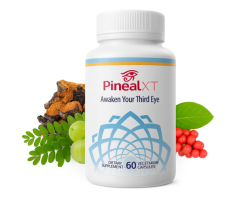
Antioxidant Supplements for Brain Health: An Overview Antioxidant supplements have become popular for their potential to help protect the brain from oxidative stress, which can affect cognitive health with age. Many current brain and cognitive health blends use well-researched antioxidant ingredients like turmeric, omega-3 fatty acids, and mushroom...
-
Antioxidants and Brain Protection: Foods, Nutrients, and SupplementAntioxidants and Brain Defense
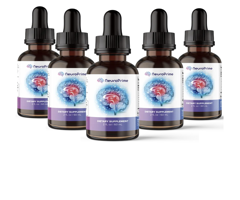
Understanding Antioxidants for Brain Protection Antioxidants are essential for defending brain cells against oxidative stress, which is linked to gradual cognitive decline and mental tiredness. Including antioxidants from foods and supplements is a straightforward way to help maintain brain health and support mental performance over time. Key Foods...
-
How to Evaluate Supplements for Antioxidants and Brain HealthAntioxidants and Brain Defense
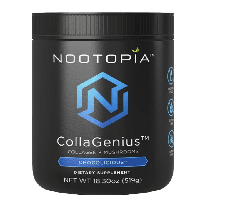
Understanding Supplements for Antioxidants and Brain Health Brain-protecting supplements typically feature ingredients that offer antioxidants, nourish neurons, and support cognitive performance. To choose wisely, consider ingredient profiles, label transparency, suitability for your needs, and product safety. Roles of Key Ingredients in Brain Anti...
-
Antioxidants and Brain Protection: What to Eat and What to CheckAntioxidants and Brain Defense
Understanding Antioxidants and Brain Health The brain is especially susceptible to oxidative stress, making foods and nutrients rich in antioxidants important for supporting cognitive function, memory, and general brain health. Antioxidants work to neutralize free radicals and help protect neurons from oxidative damage and inflammation—factors ofte...
-
Antioxidants and Brain Protection: Essential Ingredients and Key ProductAntioxidants and Brain Defense
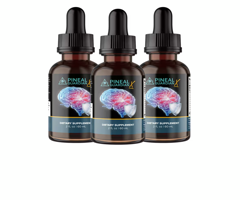
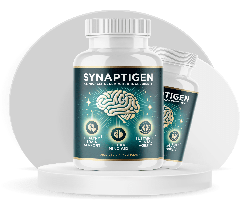
Understanding Antioxidants in Brain Health The brain is especially susceptible to oxidative stress caused by free radicals. Antioxidants are natural substances that help neutralize these free radicals, helping to keep brain cells healthy and cognitive functions strong. When choosing nutrition or supplements for brain protection, look for a well-rou...
-
Daily Nutrition Habits for Antioxidants and Brain HealthAntioxidants and Brain Defense
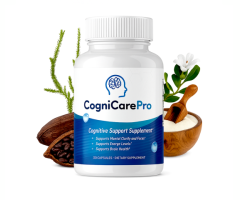
The Importance of Antioxidants for Brain Health The brain, which is high in delicate fats and always active, is particularly open to oxidative stress from free radicals. Antioxidants—nutrients that neutralize these unstable molecules—play a key part in protecting brain cells and helping cognitive performance over time. Everyday nutrition habits tha...
-
12 Best Brain Foods to Boost Cognitive Performance DailyTop Foods for Cognitive Function
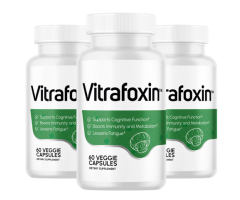
Achieving peak cognitive performance relies on several lifestyle habits, and nutrition is a leading factor. Consuming foods high in certain nutrients can benefit focus, memory, mental clarity, and the long-term health of your brain. Here, we list 12 of the top foods backed by research and offer simple tips for adding them to your routine. Nutrients...
-
Meal Planning for Brain Health: Creating a Menu for Cognitive PerformanceTop Foods for Cognitive Function
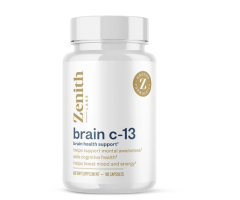
Why Plan Meals for Cognitive Performance? Meal planning for brain health is more than just eating nutritious food—it's about choosing specific nutrients to support focus, mental clarity, and memory throughout your day. By organizing meals and snacks with brain-friendly nutrients, you help your mind handle daily tasks more efficiently. Building a Ba...
-
How to Understand Nutrition Labels for Brain-Healthy FoodsTop Foods for Cognitive Function
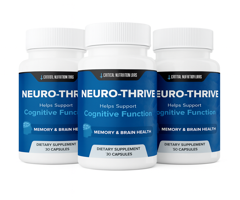
What to Check on Food Labels for Brain Health Making choices that support your brain begins with reading nutrition labels. When selecting snacks, cereals, or supplements, pay attention to nutrients and whole ingredients that promote brain function over time. Omega-3 Fatty Acids (DHA and EPA): Search for foods or fortified options containing DHA or ...
-
Brain-Boosting Beverages: Drinks That Support Mental PerformanceTop Foods for Cognitive Function
Overview: Beverages That Enhance Brain Function The drinks you choose can make a difference in your clarity, concentration, and cognitive function. Some beverages offer more than simple hydration, supplying nutrients or compounds that promote brain health. Here are some top drinks to try adding to your daily routine: Green Tea: Contains caffeine an...
-
Brain Food Myths vs. Facts: What Actually Supports Cognitive HealthTop Foods for Cognitive Function
Common Brain Food Myths and Misunderstandings Improving cognitive performance is widely sought after, but several myths about what truly nourishes the brain still circulate. Here are some of the most widespread misconceptions: Myth 1: Sugar boosts your mind. While sugary snacks might give an immediate lift, they're often followed by tiredness and m...
-
Smart Food Choices for Cognitive Performance: Eat Well, Read LabelsTop Foods for Cognitive Function
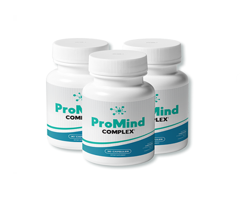
Selecting Foods for Cognitive Performance The foods you eat daily can make a notable difference in mental sharpness, concentration, and memory. Optimal cognitive performance depends on supplying your brain with key nutrients from whole foods and, when necessary, carefully chosen supplements. Knowing what to include in your diet and how to confirm s...
-
Top Foods for Mental Performance: Key Ingredients and ProductsTop Foods for Cognitive Function
Foods and Nutrients That Help Cognitive Performance Cognitive performance—including memory, focus, and mental clarity—relies greatly on nutrition. Certain foods and nutrients supply the essential elements and support your brain needs to function at its best. Whether you’re planning a smarter shopping list or looking at supplement ingredients, under...
-
Daily Nutrition Habits for Optimal Cognitive FoodsTop Foods for Cognitive Function
Daily Nutrition Habits for Cognitive Performance Enhancing brain health and cognitive function starts with everyday nutrition choices. The foods and nutrients you eat directly impact focus, memory, mood, and mental sharpness. Below are achievable food habit suggestions, important ingredients for brain support, and supplemental options. Why Nutritio...
-
Top Foods for Cognitive Performance: Foods and NutrientsTop Foods for Cognitive Function
Understanding Cognitive Performance and Nutrition Cognitive performance includes memory, focus, mental clarity, decision-making, and processing speed. Nutrition is key to supporting these brain functions, and daily food choices have a strong impact on long-term cognitive health. Both whole foods and specific supplements can help maintain a sharper ...
-
How to Compare Supplements for Optimal Cognitive PerformanceTop Foods for Cognitive Function
What Are the Top Foods and Ingredients for Cognitive Performance? Cognitive performance, which includes focus, memory, concentration, and mental sharpness, is closely connected to what you eat. Certain foods and nutrients feed the brain, protect it with antioxidants, and help keep neurotransmitters balanced. When looking at supplements to support y...
What Does Brain Health Nutrition Cover?
This category highlights how what you eat affects your ability to focus, remember, and maintain mental clarity. It explores topics like breakfast for better concentration, how certain meals can cause brain fog, the benefits of omega-3 foods, B vitamins, hydration, and nutrients known for supporting brain function. The emphasis is on a food-first approach, though select supplements and functional foods may help with staying consistent.
How Brain Nutrition Affects How You Feel
Your focus, memory, and mental energy are shaped by your daily food and drink choices. A balanced eating routine can help you:
- Think clearly and respond quickly
- Stay focused and avoid brain fog
- Remember details and process information more easily
- Feel more alert in the morning and less likely to experience afternoon fatigue
Simple changes—like choosing a protein-rich breakfast instead of something sugary, increasing omega-3 and B-vitamin intake, or drinking enough water—can improve daily mental function.
What Happens When Intake Is Out of Balance?
If you’re not getting enough brain-supportive nutrients or fluids, you might notice low mental energy, forgetfulness, or trouble focusing. Eating a lot of processed foods, skipping meals, or not drinking enough water can contribute to sluggish thinking or brain fog. Each person may need to adjust routines based on their schedule, preferences, and ingredient needs.
Key Ingredients for Brain Health
Several nutrients play a leading role in mental clarity and cognitive support:
- Omega-3 DHA – Important for healthy brain cell structure and signaling
- B Vitamins (B6, B12, Folate) – Essential for neurotransmitter production and brain energy
- Magnesium – Supports relaxed nerves and mental calm
- Protein/Amino acids – Necessary for neurotransmitter building blocks
- Antioxidants (from berries, vitamin E, vitamin C, turmeric) – Protect brain cells from oxidative stress
- Hydration – Water is vital for clear thinking, concentration, and overall brain function
- Fiber and prebiotics – Help gut health, which is tied to mood and brain performance
Common Routines & Why Consistency Can Waver
Sticking to nutrition routines isn’t always easy. Busy days, taste preferences, confusing food labels, different ingredient amounts in packaged foods, or the type of supplement (powder, pill, etc.) can all make consistency harder. Rushed mornings, skipped meals, or a heavy reliance on convenience foods may mean missing out on key nutrients.
Daily Intake Context & Food Sources
- Omega-3 DHA: Aim for 2-3 servings of fatty fish per week (like salmon, sardines, or mackerel) or use daily microalgae or fish oil supplements.
- B Vitamins: Found in leafy greens, eggs, whole grains, beans, and some fortified cereals.
- Magnesium: Available in nuts, beans, seeds, whole grains, and dark leafy greens.
- Protein/Amino acids: Sources include eggs, dairy, fish, poultry, beans, lentils, and soy foods.
- Antioxidants: Get these from berries, citrus, spinach, broccoli, turmeric, and other bright fruits and vegetables.
- Hydration: Water, herbal teas, and hydrating produce like cucumbers and oranges all help.
- Fiber and prebiotics: Oats, apples, bananas, garlic, onions, and beans are useful sources.
Impact on Body & Feeling Table
| Factor | How It Affects You |
|---|---|
| Omega-3 intake | Helps memory, learning, and mood stability |
| B vitamins | Increases mental energy and sharpness |
| Hydration | Fights sluggishness, helps memory and focus |
| Antioxidants | Protect brain cells, important for long-term brain health |
| Protein | Needed for forming neurotransmitters |
Key Ingredient Table
| Ingredient | Main Role in Brain Health | Top Food Sources |
|---|---|---|
| Omega-3 DHA | Supports brain cell structure & communication | Salmon, sardines, mackerel, algae oil |
| B Vitamins (B6, B12, Folate) | Helps neurotransmitter production | Eggs, leafy greens, beans, whole grains |
| Magnesium | Calms nerves, supports signal transmission | Pumpkin seeds, almonds, spinach |
| Antioxidants (Vitamin C, E, Polyphenols) | Cell protection | Berries, citrus, spinach, nuts |
| Protein | Supplies precursors for neurotransmitters | Eggs, poultry, tofu, legumes |
| Hydration | Aids mental alertness, reduces tiredness | Water, watermelon, cucumber |
| Fiber/Prebiotics | Supports gut-brain connection | Oats, onions, garlic, bananas |
Foods vs Supplements Table
| Nutrient | Main Food Sources | Supplement Context |
|---|---|---|
| Omega-3 DHA | Fish, algae, eggs | Fish oil, algae oil capsules for regular use |
| B Vitamins | Greens, beans, whole grains | Multivitamins or B-complex to fill gaps |
| Magnesium | Nuts, seeds, greens | Magnesium citrate/glycinate for steady intake |
| Antioxidants | Berries, colorful vegetables | Berry or greens powders, vitamin E or C |
| Protein | Meat, eggs, beans | Protein powders for quick breakfasts |
| Fiber/Prebiotics | Beans, fruit, grains | Prebiotic fiber blends if extra gut support is needed |
Supporting a Brain-Healthy Routine
Keeping up a brain-friendly routine can be tough. Changing schedules, tastes, supplement forms, and amounts of key ingredients all play a role. Starting the day with a balanced, focus-ready breakfast, staying hydrated, and eating foods rich in omega-3s, B vitamins, antioxidants, and fiber provides a solid base. Supplements can help with any gaps, but whole foods are the preferred starting point for most people.
- 1


Health supplements