Gut Health Nutrition
-
Top 10 Gut-Healing Foods for Naturally Repairing Your GutTop Foods for Gut Healing
Keeping your gut healthy is essential for overall health. A balanced digestive system is key for nutrient absorption, immune health, and good energy levels. If your gut barrier is weakened by factors like stress, medications, processed foods, or your environment, restoring it begins with making smart food choices. Here’s a helpful overview of the t...

-
One-Week Meal Plan Featuring Top Foods for Gut RepairTop Foods for Gut Healing
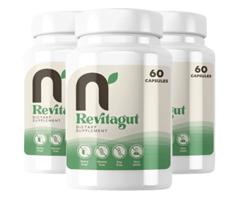
Creating a gut-healthy meal plan means emphasizing a range of whole foods that nurture good bacteria and help calm the digestive tract. By making meals with prebiotic fibers, live probiotics, plant-based dishes, and gentle, low-irritant dinners, you can promote your gut’s natural healing. Here’s a sample week of gut-supportive meals, along with ide...
-
How Prebiotics and Probiotics Support Gut Health TogetherTop Foods for Gut Healing
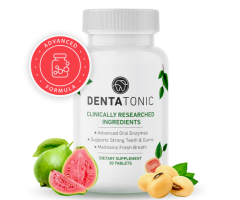
What Are Prebiotics and Probiotics? Your gut health depends on the balance and variety of bacteria in your digestive system. Two important factors support this balance: prebiotics and probiotics. They are often discussed together but have distinct roles: Prebiotics: These are non-digestible fibers or substances found in certain foods that act as no...
-
Gentle Foods for Gut Flare-Ups and Recovery PeriodsTop Foods for Gut Healing
When your digestive system is in a flare-up—due to sensitivities, a recent illness, or gut upset—it’s important to choose foods and supplements that are easy on the digestive tract. This guide reviews what to eat and how to support gut healing and comfort with gentle options. Understanding Gut Flare-Ups and Sensitive Times Gut flare-ups can result ...

-
Fiber and Gut Repair: Foods to Choose and AvoidTop Foods for Gut Healing
Fiber is essential for maintaining and restoring gut health. Different types of fiber play unique roles in digestive comfort and gut lining support, so knowing when and how to include them in your diet can significantly benefit your gut. Here, you'll find out why fiber is important for gut repair, top food and supplement sources, when to exercise m...

-
Top Foods for Gut Repair: Key Foods, Nutrients, and SupplementsTop Foods for Gut Healing
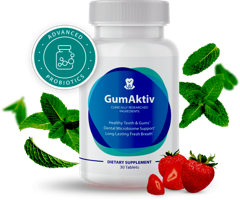
Understanding Gut Repair and Nutrition Your gut contains trillions of microbes, nerve cells, and nutrients that are vital for digestion, nutrient absorption, and overall health. When the gut barrier is weakened, it may affect digestion, immunity, and nutritional balance. Focusing on gut repair involves choosing foods and ingredients that strengthen...
-
How to Evaluate Supplements for the Best Foods for Gut RepairTop Foods for Gut Healing
Understanding Ingredients for Gut Repair When searching for top foods or supplements to help gut repair, pay attention to ingredients that nourish, soothe, and help balance the digestive system. The ideal ingredients can restore the gut lining, feed friendly gut bacteria, and relieve digestive discomfort. IngredientRole in Gut RepairCommon Forms In...

-
Top Foods for Gut Repair: What to Eat and How to Read LabelsTop Foods for Gut Healing
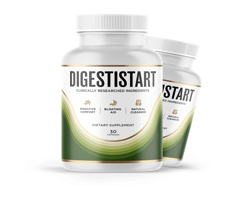
Nourishing Your Gut Through Nutrition Your gut health is key to overall wellbeing, affecting digestion, nutrient uptake, the immune system, and even mood. Promoting gut repair takes more than just steering clear of irritants—it’s about what you consciously include in your diet and supplements. Below, discover the best foods, common gut-supportive i...
-
Top Foods for Gut Repair: Essential Ingredients and Product Match GuideTop Foods for Gut Healing
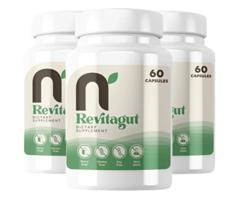
Understanding Gut Repair and Digestive Health Your gut contains trillions of bacteria that play a role in digestion, nutrient absorption, immunity, and mood. Supporting gut repair involves selecting foods and supplements that strengthen the gut lining, maintain a healthy microbiome, and encourage regular digestion and comfort. Key Ingredient Catego...
-
Everyday Nutrition Habits for Foods That Support Gut RepairTop Foods for Gut Healing
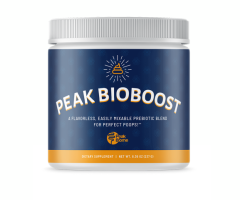
Everyday Nutrition Habits for Gut Repair Maintaining gut health begins with mindful choices at each meal. The foods and ingredients you choose daily can create a supportive environment for your digestive system and boost a healthy gut microbiome. Here are practical habits and food strategies for building the foundation of gut repair and ongoing dig...
-
Best Probiotic and Prebiotic Foods for Gut HealthGuide to Probiotic and Prebiotic Foods
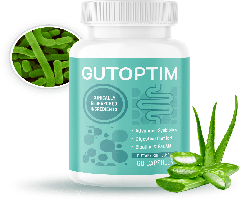
A healthy gut microbiome plays a key role in digestion, immune function, and wellbeing. Probiotics—beneficial bacteria present in some foods—and prebiotics, which are special fibers that nourish these bacteria, are both essential. Learning about these nutrients and their food sources can help you support better digestive and immune health. Why Prob...
-
How to Add Prebiotic Foods to Your DietGuide to Probiotic and Prebiotic Foods
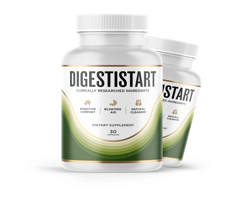
What Are Prebiotics and Why Do They Matter? Prebiotics are natural dietary fibers and plant compounds that nourish the beneficial bacteria in your gut. Unlike probiotics, which are living bacteria, prebiotics provide the fuel these microbes need. Supporting a healthy gut environment, prebiotics help with digestion, the immune system, and your overa...
-
Probiotics vs. Prebiotics: What’s the Difference and Why They MatterGuide to Probiotic and Prebiotic Foods
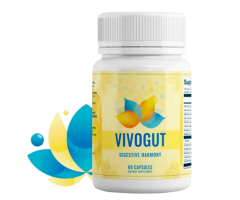
Probiotics and prebiotics are widely discussed in gut health, but many are unsure about their differences or why both are beneficial. Knowing how they differ and work together can help you support better digestion, whether through diet or supplements. Probiotics vs. Prebiotics: Key Differences Probiotics are live helpful bacteria—such as Lactobacil...
-
Fermented Foods: Probiotic Powerhouses for Gut HealthGuide to Probiotic and Prebiotic Foods
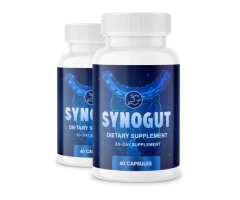
The Importance of Fermented Foods for Gut Health Fermented foods—including kimchi, sauerkraut, live-culture yogurt, miso, and kefir—are valued in many cultures for their distinctive tastes and health benefits. They are rich in natural probiotics, which are key in supporting a balanced gut microbiome and healthy digestion. How Fermentation Produces ...
-
Foods High in Prebiotic Fiber: Naturally Supporting Digestive HealthGuide to Probiotic and Prebiotic Foods
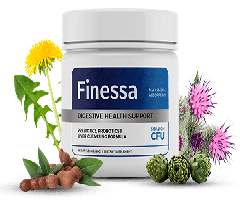
The Link Between Dietary Fiber and Prebiotics Dietary fiber and prebiotics are often discussed together, as some types of fiber serve as prebiotics. Prebiotics are non-digestible components naturally present in foods that help nourish healthy gut bacteria. While all prebiotics are forms of fiber, not every fiber is prebiotic. Soluble fibers like in...
-
Everyday Grocery Shopping Guide: Selecting Prebiotic and Probiotic FoodsGuide to Probiotic and Prebiotic Foods
Checklist: Essential Prebiotic and Probiotic Foods for Your Shopping List Starting with your grocery cart is key for gut health. Refer to this checklist to pick foods that naturally support good gut bacteria (prebiotics) and bring you live cultures (probiotics): Yogurt (with live cultures): Choose those labeled "live and active cultures." Kefir: A ...

-
Modern Lifestyle, Gut Health, and the Role of Prebiotics/ProbioticsGuide to Probiotic and Prebiotic Foods
Modern living offers plenty of convenience, but also brings challenges to digestive and gut health. The pressures of stressful jobs, constant travel, and regular access to processed foods can upset the gut microbiome, which is vital for overall well-being. How Modern Stressors Affect Gut Health Chronic stress, irregular schedules, and diets high in...
-
Probiotic and Prebiotic Foods Overview: What to Eat and CheckGuide to Probiotic and Prebiotic Foods
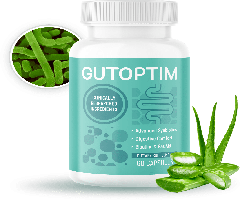
Introduction: The Importance of Probiotic and Prebiotic Foods Maintaining gut health is important for good digestion, nutrient uptake, and immunity. Two main nutrition strategies focus on probiotic foods (providing live helpful bacteria) and prebiotic foods (feeding the good bacteria already living in your gut). This guide shares practical examples...
-
Guide to Probiotic and Prebiotic Foods: Essential Ingredients & ProductsGuide to Probiotic and Prebiotic Foods
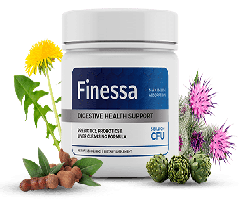
Understanding Probiotics and Prebiotics Good gut health is essential for your overall well-being. Probiotics and prebiotics are two important ingredient groups that help keep your digestive system balanced. Learning about their functions and where they come from can help you make smart choices in diet and supplements. What are Probiotics? Probiotic...
-
Daily Nutrition Habits for a Guide to Probiotic and Prebiotic FoodsGuide to Probiotic and Prebiotic Foods
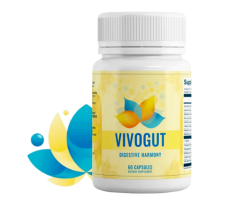
Understanding Probiotic and Prebiotic Foods Gut health is influenced by the foods you choose every day. Probiotics are live good bacteria that help keep the digestive system’s microorganism balance in check. Prebiotics are nondigestible fibers that act as nourishment for these bacteria, supporting their growth and benefits. Together, they contribut...
-
Guide to Probiotic and Prebiotic Foods: Foods and NutrientsGuide to Probiotic and Prebiotic Foods
Supporting a healthy digestive system depends on a balanced gut microbiome, home to billions of helpful bacteria. A combination of smart food choices and quality supplements can help sustain gut health. This guide highlights essential probiotic foods, prebiotic foods, key nutrients, practical label tips, and advice for choosing gut health supplemen...

-
Guide to Comparing Probiotic and Prebiotic Food SupplementsGuide to Probiotic and Prebiotic Foods
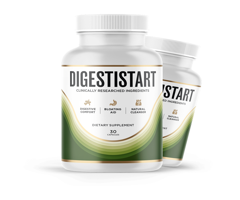
Understanding Probiotic and Prebiotic Supplements Probiotic and prebiotic foods are important for maintaining gut health. Probiotics are live bacteria that help balance the gut microbiome, while prebiotics are fibers that feed these beneficial bacteria. Many supplements now combine these elements for digestive comfort, regularity, and overall well-...
What the Gut Health Nutrition Category Covers
This hub offers key information and advice for maintaining good digestive health. It includes details on how digestion works, tips to ease common issues like bloating, and ways to support your gut using appropriate foods and supplements. You’ll find gut-friendly meal ideas, guidance on choosing restaurants for sensitive digestion, and daily habits for regularity and comfort. There are also guides to important nutrients like probiotics, prebiotics, fiber, fermented foods, and digestive enzymes—and explains how these relate to antioxidants and healthful plant compounds.
How Gut Health Affects Daily Life
When your gut is balanced, you often feel lighter, more energetic, and able to focus. Digestion is comfortable and regular, and discomforts like bloating or sluggishness are less common. A healthy gut can help support your mood, immune system, and how you handle stress. If your gut habits are inconsistent or missing key nutrients, you might notice more discomfort or reduced day-to-day well-being.
Gut Health and Body Impact
| Area | How It Can Affect Daily Feeling |
|---|---|
| Digestion | Comfortable, consistent digestion promotes better energy and focus |
| Bloating | Minimal bloating helps with comfort and confidence |
| Regularity | Steady bathroom habits ease stress and support energy levels |
| Gut Flora Balance | A healthy microbiome may help mood and immune health |
| Enzyme Activity | Enough enzymes let you better absorb nutrients from your food |
Key Gut Health Ingredients and Nutrients
| Ingredient | Role in Gut Health | Food Sources |
|---|---|---|
| Probiotics | Restore helpful bacteria | Yogurt, kefir, miso, sauerkraut, kimchi |
| Prebiotics | Nourish gut bacteria and encourage diversity | Garlic, onions, leeks, asparagus, bananas |
| Fiber | Promotes regularity and nourishes good gut bacteria | Whole grains, beans, berries, vegetables |
| Fermented Foods | Deliver living bacteria and nutrients for gut balance | Yogurt, kefir, kimchi, sauerkraut, tempeh |
| Digestive Enzymes | Assist breaking down food for easier nutrient uptake | Papaya, pineapple, fermented soy, supplements |
| Antioxidants | Reduce oxidative stress in the gut, help protect cells | Berries, spinach, strawberries, colorful fruits and vegetables |
Food Choices, Supplements, and Daily Intake
Most people can support gut health with a varied diet full of fiber, fermented foods, and fruits and vegetables. Some rely on supplements—like probiotics, fiber powders, or enzymes—for convenience or when regular diets aren’t possible. Using whole foods as your base and adding supplements as needed, such as for gaps or busy days, is often an effective approach.
| Goal | Foods | Supplements |
|---|---|---|
| Regularity | Beans, berries, oatmeal, leafy greens | Fiber powder, psyllium capsules |
| Gut Flora Support | Kefir, sauerkraut, kimchi, yogurt | Probiotic capsules, gummies |
| Digestive Comfort | Cooked vegetables, papaya, pineapple | Digestive enzyme blends |
| Oxidative Balance | Berries, spinach, peppers | Antioxidant capsules or powders |
Why Routines May Be Inconsistent
- Schedule challenges: Busy days may lead to skipped meals or less variety.
- Preferences: Some people don’t enjoy high-fiber vegetables or fermented foods.
- Product format: It may be easier or harder to remember capsules, powders, or gummies compared to foods.
- Ingredient amounts: Nutrition labels might not clearly state actual probiotic CFUs or fiber content.
- Consistency of use: Supplements might be used more during travel or stress, and less during routine periods.
Common Daily Intake Context
Most adults benefit from 25-35 grams of fiber per day, usually through several servings of vegetables, fruits, whole grains, and legumes. Probiotics from fermented foods or supplements can be added to your routine, especially after antibiotics or during digestive upset. Digestive enzymes are generally taken before meals if used as supplements. Foods with natural prebiotics and antioxidants can be eaten at any meal for ongoing support.
- 1


Health supplements