How to Add Prebiotic Foods to Your Diet Supplement Free
- Location: United States
What Are Prebiotics and Why Do They Matter?
Prebiotics are natural dietary fibers and plant compounds that nourish the beneficial bacteria in your gut. Unlike probiotics, which are living bacteria, prebiotics provide the fuel these microbes need. Supporting a healthy gut environment, prebiotics help with digestion, the immune system, and your overall health.
How Prebiotics Function
- Nourish beneficial gut bacteria (such as Bifidobacteria and Lactobacilli)
- Encourage healthy digestion and support regularity
- Aid absorption of nutrients like magnesium and calcium
- Promote a balanced gut microbiome, easing discomfort and supporting immunity
Common Prebiotic Foods to Try
Many foods are rich in prebiotic fibers. Here are some top choices and what makes them beneficial:
| Prebiotic Food | Type of Prebiotic | How to Use |
|---|---|---|
| Acacia Gum (Gum Arabic) | Soluble fiber | Add into smoothies, drinks, or use in baking for extra fiber |
| Oats | Beta-glucan, resistant starch | Prepare as oatmeal, overnight oats, or bake into snacks |
| Apples | Apple pectin | Eat fresh, mix into salads, or cook for compote |
| Chicory Root | Inulin | Enjoy as chicory coffee, roasted and ground as a hot drink, or in supplement blends |
| Bananas (unripe/green) | Resistant starch, FOS | Add to yogurt, blend in smoothies, or bake |
| Onions, Garlic, Leeks | Inulin, FOS | Saute in meals, eat raw in salads, or add to soups |
| Jerusalem Artichoke | Inulin | Roast, blend in soups, or make purees |
Simple Meal Ideas and Recipes
- Breakfast: Make overnight oats with banana slices and chia seeds for a fiber-rich morning.
- Lunch: Toss a green salad with apple slices, leeks, and crunchy oats.
- Snacks: Try hummus made with garlic and serve with fresh chicory root or apple slices.
- Dinner: Stir-fry onions and garlic with veggies or serve roasted Jerusalem artichokes.
- Beverages: Stir acacia gum powder into water, juice, or herbal tea for an easy prebiotic boost.
Quick Prebiotic Snack: Apple Oat Bites
- Combine rolled oats, diced apple, honey, and a small amount of acacia gum powder.
- Roll into bite-sized balls and chill for a simple, gut-friendly snack.
Who Can Benefit from More Prebiotics?
- Anyone looking to promote regular digestion and maintain gut health
- Those seeking a balanced gut microbiome or boosted immunity
- Vegetarians, vegans, and plant-focused eaters who may already eat more fiber yet benefit from varied sources
- People with low fiber intake or who have limited access to fresh produce
Prebiotic Supplements: Options for Restricted Diets
If it’s hard to eat enough prebiotic foods—whether because of diet limits, a busy schedule, or food preferences—prebiotic supplements offer a steady source of these helpful fibers.
| Supplement Ingredient | Food Source | Prebiotic Role |
|---|---|---|
| Inulin (from chicory root) | Chicory root, supplement blends | Feeds beneficial bacteria, helps regularity |
| Fructooligosaccharides (FOS) | Banana, onion, supplement formulas | Nourishes gut bacteria, supports gut health |
| Acacia gum (gum arabic) | Sap of acacia trees, supplement blends | Gentle prebiotic action, digestive ease |
| Apple Pectin | Apple skin/pulp, supplements | Forms soothing gel in digestion, supports gut |
| Oats (beta-glucan) | Whole oats, formula blends | Helps maintain regularity and gut wellness |
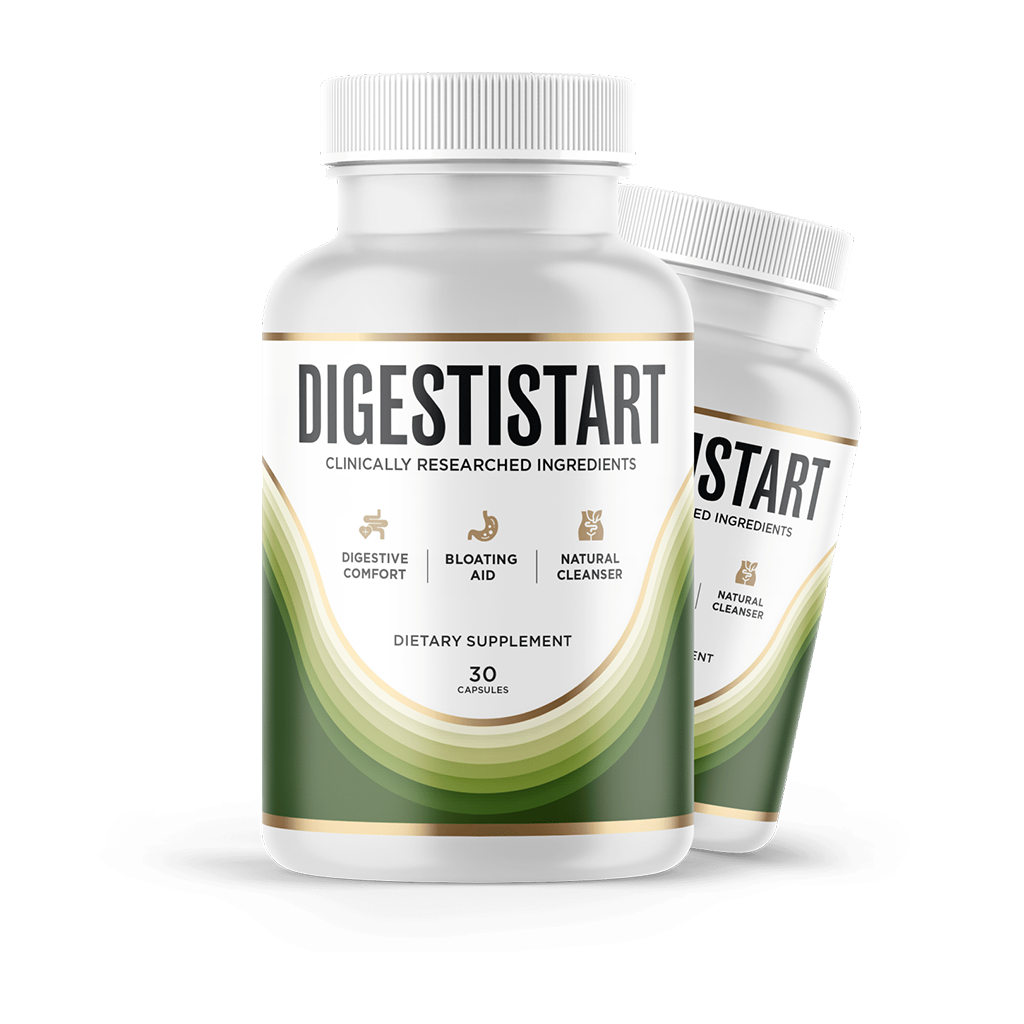
Featured Supplement: DigestiStart: Support Your Digestion Naturally!
DigestiStart: Support Your Digestion Naturally! is a supplement option for those looking for consistent, reliable prebiotic support. This formula contains apple pectin, chicory root inulin, oats, wild yam, ginger, probiotics, and more to provide a mix of soluble fibers and herbs for gut health. It’s useful for those who can’t always consume enough prebiotic foods or want a convenient, consistent prebiotic source.
Ingredient Table: How DigestiStart Supports Prebiotic Intake
| Ingredient | Source/Function | Role in Gut Health |
|---|---|---|
| Apple Pectin | Soluble fiber from apples | Feeds gut bacteria, forms a soothing gel for digestion |
| Chicory Root Inulin | Extracted from chicory root | Prebiotic fiber that helps maintain regularity |
| Oats | Rich in beta-glucans | Supports gut lining and regularity |
| Probiotics | Beneficial live bacteria | Works together with prebiotics to promote microbiome balance |
| Wild Yam, Ginger, Poria Cocos, Schisandra | Plant extracts | Offer additional digestive and adaptogenic benefits |
Related Product Table
| Product ID | Product Name | Product Page URL | Why It Fits |
|---|---|---|---|
| 85 | DigestiStart: Support Your Digestion Naturally! | View Product | Includes a combination of prebiotic fibers (inulin, apple pectin, oats) and botanicals for overall support. |
Main Takeaways
- Prebiotic foods are varied, delicious, and easy to include in daily meals for better digestion and gut support.
- Soluble fibers from foods like apples, oats, and chicory root specifically feed good gut bacteria.
- If it’s hard to get enough prebiotics from food, supplements such as DigestiStart can offer measured, reliable amounts of key fibers and botanicals.
- Combining balanced eating with supplements can help maintain strong gut health.
Useful information
- Disclaimer: This article contains affiliate links to products. We may receive a commission for purchases made through these links.
Related listings
-
Best Probiotic and Prebiotic Foods for Gut HealthGuide to Probiotic and Prebiotic Foods
A healthy gut microbiome plays a key role in digestion, immune function, and wellbeing. Probiotics—beneficial bacteria present in some foods—and prebiotics, which are special fibers that nourish these bacteria, are both essential. Learning about these nutrients and their food sources can help you support better digestive and immune health. Why Prob...
-
Probiotics vs. Prebiotics: What’s the Difference and Why They MatterGuide to Probiotic and Prebiotic Foods
Probiotics and prebiotics are widely discussed in gut health, but many are unsure about their differences or why both are beneficial. Knowing how they differ and work together can help you support better digestion, whether through diet or supplements. Probiotics vs. Prebiotics: Key Differences Probiotics are live helpful bacteria—such as Lactobacil...
-
Fermented Foods: Probiotic Powerhouses for Gut HealthGuide to Probiotic and Prebiotic Foods
The Importance of Fermented Foods for Gut Health Fermented foods—including kimchi, sauerkraut, live-culture yogurt, miso, and kefir—are valued in many cultures for their distinctive tastes and health benefits. They are rich in natural probiotics, which are key in supporting a balanced gut microbiome and healthy digestion. How Fermentation Produces ...


Health supplements