Fermented Foods: Probiotic Powerhouses for Gut Health Supplement 49.00 $
- Location: United States
The Importance of Fermented Foods for Gut Health
Fermented foods—including kimchi, sauerkraut, live-culture yogurt, miso, and kefir—are valued in many cultures for their distinctive tastes and health benefits. They are rich in natural probiotics, which are key in supporting a balanced gut microbiome and healthy digestion.
How Fermentation Produces Probiotics
Fermentation is a natural process where beneficial bacteria or yeast break down sugars and starches. This not only gives food its characteristic tang but also generates live probiotics. These helpful bacteria, like those from the Lactobacillus and Bifidobacterium families, contribute to gut balance.
| Fermented Food | Main Source of Probiotics | Common Uses |
|---|---|---|
| Kimchi | Lactic acid bacteria | Side dish, grain bowls, stir-fries |
| Sauerkraut | Lactic acid bacteria | Toppings, salads, sandwiches |
| Live-culture yogurt | Lactobacillus, Bifidobacterium | Breakfast, smoothies, parfaits |
| Kefir | Kefir grains (variety of bacteria and yeast) | Drinks, dressings |
| Miso | Aspergillus oryzae & beneficial bacteria | Soups, sauces, marinades |
Simple Ways to Include Fermented Foods in Your Diet
- Breakfast: Mix sauerkraut or kimchi into grain bowls or pair live-culture yogurt with fruit and oats.
- Lunch: Add sauerkraut to sandwiches or toss kimchi into salads for extra flavor.
- Dinner: Blend miso paste into soup before serving, or use cabbage-based slaw as a taco topping.
- Snacks: Have a serving of kefir or a yogurt-based vegetable dip.
Ingredient Focus: Their Impact
| Ingredient | Description | Role in Gut Health |
|---|---|---|
| Kimchi & Sauerkraut | Fermented cabbages high in lactic acid bacteria | Support a varied gut microbiome |
| Live-Culture Yogurt | Dairy with active probiotic cultures | Aids regularity and balance |
| Inulin | Prebiotic fiber from plants | Feeds good bacteria |
| Apple Pectin | Soluble fiber derived from apples | Promotes probiotic growth |
| Ginger | Spice that supports digestive health | Soothes digestion |
When Supplements Can Be Useful
Although including a range of fermented foods in your diet is beneficial, it can be challenging due to preferences, restrictions, or availability. In these scenarios, a focused probiotic and prebiotic supplement can help fill in the gaps. Quality supplements often feature multiple probiotic strains along with ferment-based nutrients or fiber sources like inulin and apple pectin to offer benefits similar to eating fermented foods.
Featured Supplement: SynoGut
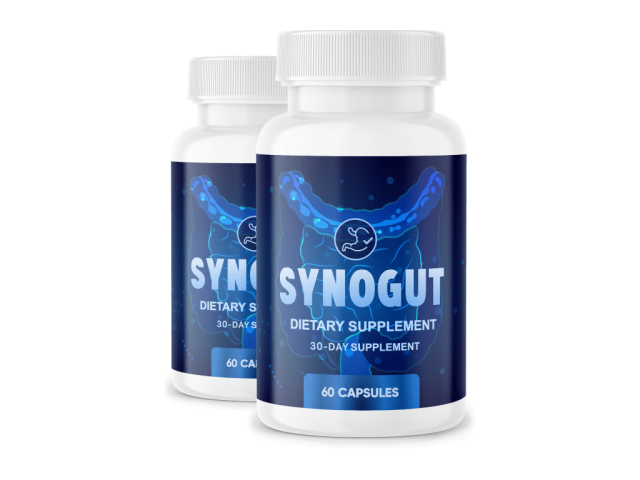
To help cover gaps in probiotic or fermented food intake, SynoGut: Your Natural Solution for Gut Health! is designed to promote digestive wellness. It contains probiotics, prebiotics like inulin and apple pectin, ginger, and additional nutrients found in natural fermented foods. This supplement is part of the Gut & Digestive Health category, aiming to foster a healthy gut environment much like a diet rich in fermented and prebiotic foods.
| Product ID | Product Name | Product Page URL | Why It Fits |
|---|---|---|---|
| 75 | SynoGut: Your Natural Solution for Gut Health! | View Product | Combines probiotics, prebiotics, and nutrients, supporting gut wellness similar to fermented foods. |
Key Points
- Adding a variety of fermented foods to your meals provides live probiotics for digestive and microbiome support.
- Fermentation-derived probiotics work best with prebiotic fibers like inulin and apple pectin, which nourish healthy bacteria.
- If it’s difficult to eat enough fermented foods, supplements offering probiotics and other ferment-supporting ingredients like those in SynoGut are a useful addition to a gut health plan.
Useful information
- Disclaimer: This article contains affiliate links to products. We may receive a commission for purchases made through these links.
Related listings
-
Best Probiotic and Prebiotic Foods for Gut HealthGuide to Probiotic and Prebiotic Foods
A healthy gut microbiome plays a key role in digestion, immune function, and wellbeing. Probiotics—beneficial bacteria present in some foods—and prebiotics, which are special fibers that nourish these bacteria, are both essential. Learning about these nutrients and their food sources can help you support better digestive and immune health. Why Prob...
-
How to Add Prebiotic Foods to Your DietGuide to Probiotic and Prebiotic Foods
What Are Prebiotics and Why Do They Matter? Prebiotics are natural dietary fibers and plant compounds that nourish the beneficial bacteria in your gut. Unlike probiotics, which are living bacteria, prebiotics provide the fuel these microbes need. Supporting a healthy gut environment, prebiotics help with digestion, the immune system, and your overa...
-
Probiotics vs. Prebiotics: What’s the Difference and Why They MatterGuide to Probiotic and Prebiotic Foods
Probiotics and prebiotics are widely discussed in gut health, but many are unsure about their differences or why both are beneficial. Knowing how they differ and work together can help you support better digestion, whether through diet or supplements. Probiotics vs. Prebiotics: Key Differences Probiotics are live helpful bacteria—such as Lactobacil...


Health supplements