Foods High in Prebiotic Fiber: Naturally Supporting Digestive Health Supplement 39.00 $
- Location: United States
The Link Between Dietary Fiber and Prebiotics
Dietary fiber and prebiotics are often discussed together, as some types of fiber serve as prebiotics. Prebiotics are non-digestible components naturally present in foods that help nourish healthy gut bacteria. While all prebiotics are forms of fiber, not every fiber is prebiotic. Soluble fibers like inulin and fructooligosaccharides (FOS) are well-known prebiotics, supporting digestive regularity and a balanced microbiome.
Top Fiber-Rich Prebiotic Foods
Various plant-based foods offer excellent prebiotic fiber. Here are some top picks:
| Food | Key Prebiotic Fiber | Benefit |
|---|---|---|
| Apple Pectin | Pectin | Turns into gel in the gut, helps with regularity, and supports beneficial bacteria. |
| Chicory Root | Inulin | A leading natural source of inulin prebiotic fiber, highly beneficial for gut health. |
| Banana (especially green bananas) | Resistant Starch, FOS | Feeds helpful microbes, especially plentiful in greener bananas. |
| Oats | Beta-Glucan | Helps balance microbiota and encourages smooth, regular digestion. |
- Other natural options: Jerusalem artichoke, garlic, onions, asparagus, leeks, dandelion greens, and barley.
How Prebiotic Fiber Influences Regularity and Gut Microbes
Prebiotic fibers feed helpful gut bacteria, such as Bifidobacteria and Lactobacillus. As these fibers break down in the colon, they boost bacterial diversity and produce short-chain fatty acids (SCFAs) that promote colon health. Diets rich in prebiotics can encourage:
- Healthy, regular bowel movements
- More diverse gut bacteria
- Better SCFA production, supporting gut lining upkeep
Easy Ways to Increase Fiber and Prebiotics
- Stir sliced apples into oatmeal or salads for extra pectin.
- Add chicory root powder to smoothies, yogurt, or caffeine-free drinks.
- Eat bananas as snacks—greenish ones have higher prebiotic value.
- Top cereals with rolled oats or use oat bran for added soluble fiber.
- Use leeks, asparagus, onions, and garlic often in your meals.
- Slowly increase fiber to help your system adjust.
When a Supplement May Help
If it’s hard to get enough prebiotic fiber through food alone because of time, food choices, or sensitivities, supplements can be useful. Ingredients like inulin, fructooligosaccharides (FOS), or apple pectin can often be found in supplement formulas.
Featured Supplement Product
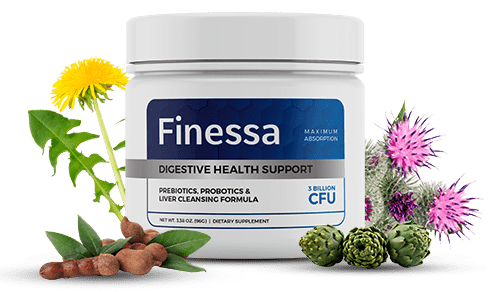
Formulas such as Finessa: Enhance Your Health and Wellness Today include blends of proven prebiotic fibers (inulin, FOS, apple pectin) combined with additional plant ingredients for gut health. Finessa is a smart pick for those seeking more fiber, as it offers several plant-based components that nurture gut flora and support regularity.
Ingredient Chart
| Ingredient | Description |
|---|---|
| Inulin | A soluble prebiotic fiber from chicory root or dandelion, supports healthy bacteria. |
| FOS (Fructooligosaccharides) | Plant-derived short-chain fibers, encourage growth of helpful gut microbes. |
| Apple Pectin | Soluble gel-forming fiber from apples, aids bowel regularity and supports healthy gut microbes. |
| Oats (Beta-Glucan) | Soluble fiber that promotes easy digestion and microbial diversity. |
| Banana (Resistant Starch, FOS) | Feeds healthy gut bacteria and contributes to regular bowel movements. |
| Dandelion (Taraxacum) | Leaves and roots rich in inulin, delivering prebiotic benefits. |
| Chicory Root | High in inulin fiber, a key prebiotic choice for your meals or supplement plan. |
Related Product Chart
| Product ID | Product Name | Product Page URL | Why it fits |
|---|---|---|---|
| 47 | Finessa: Enhance Your Health and Wellness Today | View Product | Includes several key prebiotic fibers (inulin, FOS, apple pectin) with gut-balance botanicals, designed for those seeking extra digestive fiber support. |
Summary Points
- Prebiotic fibers from foods like apples, chicory, oats, and bananas encourage healthy digestion and regularity.
- Eating a variety of plant fibers can help build a strong, diverse gut microbiome.
- Slowly adding more prebiotic fiber—and using a supplement such as Finessa if helpful—makes it easier to support gut wellness every day.
Useful information
- Disclaimer: This article contains affiliate links to products. We may receive a commission for purchases made through these links.
Related listings
-
Best Probiotic and Prebiotic Foods for Gut HealthGuide to Probiotic and Prebiotic Foods
A healthy gut microbiome plays a key role in digestion, immune function, and wellbeing. Probiotics—beneficial bacteria present in some foods—and prebiotics, which are special fibers that nourish these bacteria, are both essential. Learning about these nutrients and their food sources can help you support better digestive and immune health. Why Prob...
-
How to Add Prebiotic Foods to Your DietGuide to Probiotic and Prebiotic Foods
What Are Prebiotics and Why Do They Matter? Prebiotics are natural dietary fibers and plant compounds that nourish the beneficial bacteria in your gut. Unlike probiotics, which are living bacteria, prebiotics provide the fuel these microbes need. Supporting a healthy gut environment, prebiotics help with digestion, the immune system, and your overa...

-
Probiotics vs. Prebiotics: What’s the Difference and Why They MatterGuide to Probiotic and Prebiotic Foods
Probiotics and prebiotics are widely discussed in gut health, but many are unsure about their differences or why both are beneficial. Knowing how they differ and work together can help you support better digestion, whether through diet or supplements. Probiotics vs. Prebiotics: Key Differences Probiotics are live helpful bacteria—such as Lactobacil...


Health supplements