Everyday Grocery Shopping Guide: Selecting Prebiotic and Probiotic Foods Supplement Free
- Location: United States
Checklist: Essential Prebiotic and Probiotic Foods for Your Shopping List
Starting with your grocery cart is key for gut health. Refer to this checklist to pick foods that naturally support good gut bacteria (prebiotics) and bring you live cultures (probiotics):
- Yogurt (with live cultures): Choose those labeled "live and active cultures."
- Kefir: A fermented milk or water drink, often listing specific probiotic strains.
- Kimchi and Sauerkraut: Select unpasteurized, refrigerated options to preserve live bacteria.
- Miso and Tempeh: Fermented soy items; check for low pasteurization.
- Chicory Root and Jerusalem Artichoke: Packed with inulin, a valuable prebiotic fiber.
- Onions, Garlic, and Leeks: Everyday veggies full of prebiotic fibers.
- Bananas (especially green): A source of resistant starch and FOS (fructooligosaccharides).
- Oats and Barley: Wholesome grains with plenty of beta-glucans and other fibers.
- Legumes (beans, lentils, chickpeas): Mainstays of prebiotic fiber in any eating plan.
How to Read Labels: Finding Live Cultures and Fiber
Smart label reading can help you pick out the best gut-friendly foods:
- Probiotics: Look for words like "live and active cultures" or specific names (e.g., Lactobacillus, Bifidobacterium) on dairy and fermented foods in the fridge.
- Prebiotics: On packaged goods or supplements, ingredients such as inulin, chicory root, FOS, and fiber suggest prebiotic value. Fiber per serving will be listed — more fiber is usually better for your gut.
- Skip added sugars: Too much can disturb the gut. Choose products without extra sweeteners or those that are lightly sweetened.
Balanced Meal Prep: Simple Tips for Gut-Friendly Meals
- Combine foods: Mix prebiotic items (like oats or bananas) with probiotic sources (like yogurt or kefir) in your breakfast or smoothies.
- Eat a variety: Include several vegetables and whole grains daily to increase prebiotic diversity.
- Prep in advance: Make batches of lentil soup, roasted root veggies, or grain salads for easy prebiotic-rich meals during the week.
- Add fermented sides: Top or complement dishes with kimchi, sauerkraut, or pickled vegetables.
Sample Table: Shopping List of Prebiotic and Probiotic Foods
| Food | Type | Key Benefit |
|---|---|---|
| Yogurt (live cultures) | Probiotic | Helps balance healthy bacteria |
| Kimchi/Sauerkraut | Probiotic | Rich in different strains, tangy taste |
| Chicory Root | Prebiotic | Packed with inulin, supports gut flora |
| Banana (less ripe) | Prebiotic | Provides resistant starch and FOS |
| Oats/Barley | Prebiotic | Supplies beta-glucan for gut and heart |
| Leeks, garlic, onions | Prebiotic | Versatile sources of natural prebiotic fiber |
| Tempeh | Probiotic | Plant-based, source of protein |
Tips for Different Diet Lifestyles
- Vegan: Incorporate tempeh, miso, kimchi, sauerkraut, oat-based yogurts (with live cultures), and a variety of prebiotic vegetables.
- Dairy-Free: Pick coconut or almond-based yogurts with live cultures, kombucha, and fermented vegetables.
- Gluten-Free: Choose gluten-free oats, bananas, root vegetables, and always check fermented goods for any hidden wheat.
- Low-FODMAP: Limit garlic, onion, and wheat; select ripe bananas, oats, and lactose-free or live-culture dairy options.
Supplement Solutions: When Food Variety Is Limited
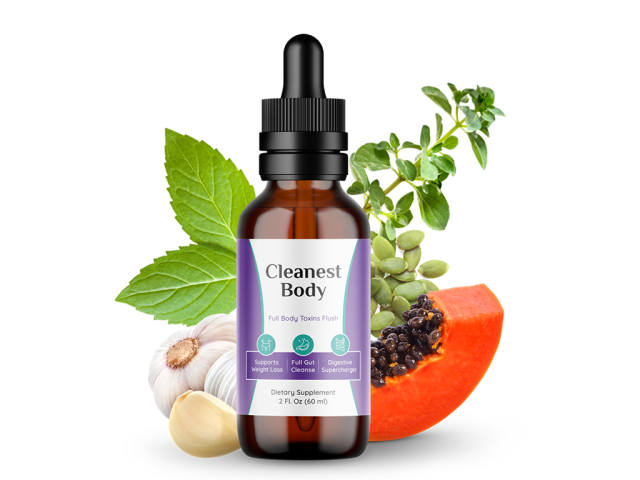
Getting enough prebiotics and probiotics from food can be tough, especially with strict diets or limited grocery choices. Cleanest Body: Your Key to a Healthier You is a supplement aimed at supporting gut and digestive health. It complements a food-based routine by including:
- Inulin from plant sources (like chicory or dandelion)
- Oats (providing beta-glucan)
- Peppermint, papaya seed extract, and black walnut hull—traditionally used for digestive support
- Oregano leaf oil to help maintain healthy gut balance
- Slippery elm bark for its fiber and mucilage qualities
Together, these offer prebiotic fiber and plant extracts that work well with a gut-nourishing diet.
Related Product Table
| Product ID | Product Name | Product Page URL | Why It Fits |
|---|---|---|---|
| 226 | Cleanest Body: Your Key to a Healthier You | View Product | Contains prebiotic fibers (inulin, oats) and herbs for digestive support. |
Key Takeaways
- Filling your shopping list with both prebiotic and probiotic foods helps nurture a healthy gut naturally.
- Learning to read for fiber and live cultures on labels ensures you get the most benefit.
- You can make gut-friendly eating work for any lifestyle by choosing a variety of whole foods.
- Supplements like "Cleanest Body: Your Key to a Healthier You" can help when fresh foods are hard to access or dietary restrictions limit options.
- Creating a gut-healthy kitchen is practical, satisfying, and improves overall wellness with every meal.
Useful information
- Disclaimer: This article contains affiliate links to products. We may receive a commission for purchases made through these links.
Related listings
-
Best Probiotic and Prebiotic Foods for Gut HealthGuide to Probiotic and Prebiotic Foods
A healthy gut microbiome plays a key role in digestion, immune function, and wellbeing. Probiotics—beneficial bacteria present in some foods—and prebiotics, which are special fibers that nourish these bacteria, are both essential. Learning about these nutrients and their food sources can help you support better digestive and immune health. Why Prob...
-
How to Add Prebiotic Foods to Your DietGuide to Probiotic and Prebiotic Foods
What Are Prebiotics and Why Do They Matter? Prebiotics are natural dietary fibers and plant compounds that nourish the beneficial bacteria in your gut. Unlike probiotics, which are living bacteria, prebiotics provide the fuel these microbes need. Supporting a healthy gut environment, prebiotics help with digestion, the immune system, and your overa...
-
Probiotics vs. Prebiotics: What’s the Difference and Why They MatterGuide to Probiotic and Prebiotic Foods
Probiotics and prebiotics are widely discussed in gut health, but many are unsure about their differences or why both are beneficial. Knowing how they differ and work together can help you support better digestion, whether through diet or supplements. Probiotics vs. Prebiotics: Key Differences Probiotics are live helpful bacteria—such as Lactobacil...


Health supplements