Probiotic and Prebiotic Foods Overview: What to Eat and Check Supplement Free
- Location: United States
Introduction: The Importance of Probiotic and Prebiotic Foods
Maintaining gut health is important for good digestion, nutrient uptake, and immunity. Two main nutrition strategies focus on probiotic foods (providing live helpful bacteria) and prebiotic foods (feeding the good bacteria already living in your gut). This guide shares practical examples of each and tips to identify quality supplement and food labels.
Probiotic Foods: Natural Sources of Helpful Bacteria
Probiotics are living friendly bacteria found in certain fermented foods. Including these can help balance your gut microbes and improve digestive wellbeing. Popular options include:
- Live-culture Yogurt: Seek products labeled "contains live and active cultures," like Lactobacillus or Bifidobacterium species.
- Kimchi and Sauerkraut: Naturally fermented cabbage-based foods rich in lactic acid bacteria.
- Kefir: Fermented milk or dairy-free drinks that provide a mix of live cultures.
- Miso: Japanese fermented soybean paste typically used in soups and sauces.
- Tempeh: Fermented soybeans, commonly eaten as a plant-based protein.
Tip: Always choose products labeled unpasteurized or with live cultures clearly stated. Pasteurizing after fermentation can kill probiotics.
Prebiotic Foods: Nourishing Your Gut Microbiome
Prebiotics are plant fibers and substances that support the growth of beneficial gut bacteria. Adding these foods regularly may help long-term gut wellness and make probiotics more effective. Popular prebiotics include:
- Chicory Root & Inulin: High in inulin, a powerful prebiotic fiber.
- Banana (especially green): Rich in resistant starch and fructooligosaccharides (FOS).
- Oats: Provide beta-glucan and soluble fibers that help gut bacteria thrive.
- Apple Pectin: Soluble fiber from apples that forms a gel in digestion, aiding beneficial bacteria.
- Onions, Garlic, and Leeks: Good sources of inulin and FOS prebiotics.
Easy Everyday Gut Health Ideas
- Add a spoonful of raw sauerkraut to salads or on top of cooked dishes.
- Mix plain yogurt with oats and banana slices for a boost of prebiotics and probiotics.
- Swap regular toast for overnight oats made with chia, chicory root fiber, and fruit.
- Use onions, garlic, or leeks as a starter for soups and stir-fries.
- Snack on apple slices (with the skin) for more pectin.
How to Check Probiotic and Prebiotic Ingredients on Labels
Probiotic and prebiotic supplements are helpful for those needing a certain amount and type of ingredient. Look for these details on supplement labels:
| Label Section | What to Look For |
|---|---|
| Probiotic Strain Names | Check for full names (e.g., Lactobacillus acidophilus, Bifidobacterium lactis) and the CFU (colony-forming units) per serving. |
| Prebiotic Source | Ensure the prebiotic fibers are clearly named (e.g., inulin, FOS, apple pectin, chicory root). |
| Other Ingredients | Try to avoid artificial ingredients and unnecessary fillers unless needed for product stability. |
Pick products that list the strains, amounts, and types of probiotics and prebiotics clearly.
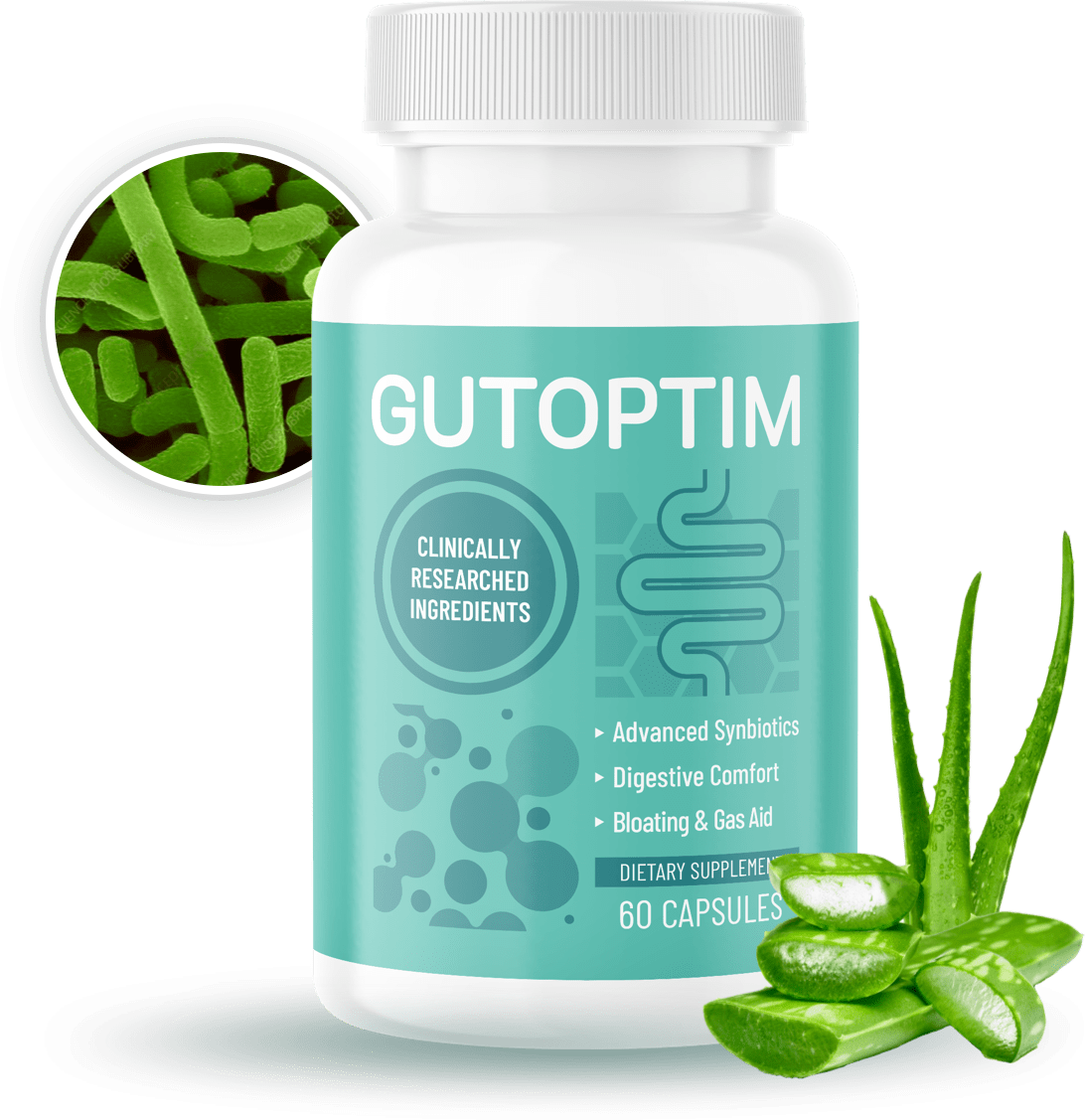
Gut Health Supplement Example: GutOptim
Supplements can help provide steady amounts of probiotics and prebiotics, especially if your diet varies. GutOptim: Boost Your Gut Health and Immunity! offers probiotic strains and prebiotic fibers also found in foods highlighted in this guide.
- Contains: Apple pectin, chicory root inulin, oats, ginger, probiotics, slippery elm bark, turmeric, aloe vera, and kimchi/sauerkraut (fermented vegetables extract).
- Why this fits: GutOptim delivers key prebiotic fibers (like inulin, apple pectin, oats) and targeted probiotics, with clear information on strains and serving sizes typical of reputable gut health supplements.
Related Product Table
| Product ID | Product Name | Product Page URL | Why It Fits |
|---|---|---|---|
| 157 | GutOptim: Boost Your Gut Health and Immunity! | View Product | Combines both probiotics and prebiotic fibers (inulin, pectin, oats), supporting both food and supplement approaches outlined in this guide. |
Ingredient Table: Main Probiotic and Prebiotic Food Ingredients
| Ingredient | Description for Gut Health |
|---|---|
| Probiotics (Various Strains) | Live helpful bacteria to support a balanced gut microbiome and digestion. |
| Inulin (from Chicory Root) | Soluble fiber that encourages growth of beneficial gut bacteria, helping bowel health. |
| Apple Pectin | Soluble fiber from apples; forms a gel to support digestion and gut bacteria growth. |
| Oats (Beta-glucan) | Contain soluble fiber and special prebiotic compounds for gut microbes. |
| Kimchi/Sauerkraut | Fermented vegetables with live cultures and polyphenols, serving as probiotic and prebiotic sources. |
| Banana (Resistant Starch & FOS) | Provides prebiotics that support good gut bacteria. |
| Ginger | Commonly used to soothe digestion and may help maintain microbial balance. |
| Slippery Elm Bark | Provides mucilage fiber to help soothe and bulk the intestinal tract. |
| Aloe Vera | Offers polysaccharides for gentle and hydrating digestive support. |
| Turmeric | Contains antioxidants and polyphenols to help the gut lining. |
Key Takeaways
- Combining probiotic foods with prebiotic fibers supports a healthy gut microbiome.
- Read labels for phrases like "live and active cultures," "contains inulin," or specific fiber names.
- Supplements such as GutOptim are practical for consistent probiotic and prebiotic intake.
- Daily habits—like including oats, bananas, sauerkraut, or yogurt—help gut health over time.
Useful information
- Disclaimer: This article contains affiliate links to products. We may receive a commission for purchases made through these links.
Related listings
-
Best Probiotic and Prebiotic Foods for Gut HealthGuide to Probiotic and Prebiotic Foods
A healthy gut microbiome plays a key role in digestion, immune function, and wellbeing. Probiotics—beneficial bacteria present in some foods—and prebiotics, which are special fibers that nourish these bacteria, are both essential. Learning about these nutrients and their food sources can help you support better digestive and immune health. Why Prob...
-
How to Add Prebiotic Foods to Your DietGuide to Probiotic and Prebiotic Foods
What Are Prebiotics and Why Do They Matter? Prebiotics are natural dietary fibers and plant compounds that nourish the beneficial bacteria in your gut. Unlike probiotics, which are living bacteria, prebiotics provide the fuel these microbes need. Supporting a healthy gut environment, prebiotics help with digestion, the immune system, and your overa...
-
Probiotics vs. Prebiotics: What’s the Difference and Why They MatterGuide to Probiotic and Prebiotic Foods
Probiotics and prebiotics are widely discussed in gut health, but many are unsure about their differences or why both are beneficial. Knowing how they differ and work together can help you support better digestion, whether through diet or supplements. Probiotics vs. Prebiotics: Key Differences Probiotics are live helpful bacteria—such as Lactobacil...


Health supplements