Guide to Probiotic and Prebiotic Foods: Foods and Nutrients Supplement Free
- Location: United States
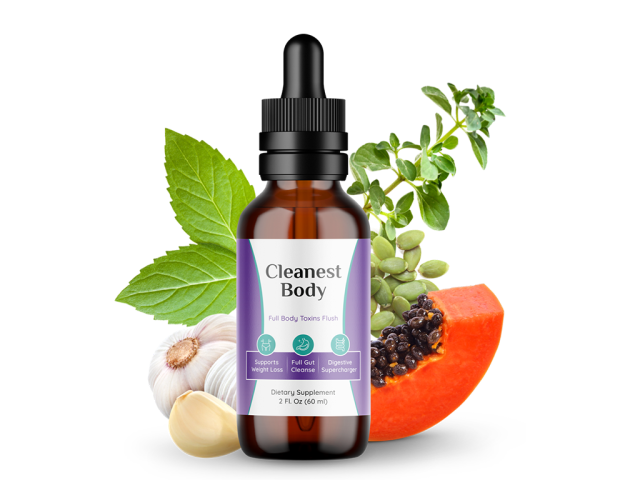
Supporting a healthy digestive system depends on a balanced gut microbiome, home to billions of helpful bacteria. A combination of smart food choices and quality supplements can help sustain gut health. This guide highlights essential probiotic foods, prebiotic foods, key nutrients, practical label tips, and advice for choosing gut health supplements.
Understanding Probiotics and Prebiotics
Probiotics are beneficial live bacteria found in specific foods and supplements. They help keep the microbiome balanced, aiding digestion and overall wellness. Prebiotics are fibers and compounds the body doesn’t digest but which nourish these helpful bacteria.
Key Differences
- Probiotics: Live bacteria found in fermented foods and supplements.
- Prebiotics: Fiber or plant-based compounds that feed good bacteria.
Top Probiotic Foods
- Live-culture Yogurt: Offers Lactobacillus and Bifidobacterium species. Look for "live and active cultures" on the label.
- Kimchi & Sauerkraut: Fermented cabbage that supplies various lactic acid bacteria. For the most live cultures, pick unpasteurized, refrigerated options.
- Kefir: Fermented milk drink with a tangy flavor and several probiotic strains.
- Miso: Fermented soybean paste, often used in soups or dressings, containing active cultures.
- Fermented Vegetables & Pickles: Choose naturally fermented, non-vinegar varieties.
Top Prebiotic Foods
- Inulin-rich foods: Chicory root, Jerusalem artichoke, onions, and garlic all offer inulin, a highly studied prebiotic fiber.
- Oats: Contain beta-glucans and soluble fiber for digestive and microbial support.
- Bananas: Provide resistant starch and FOS (fructooligosaccharides), especially when just ripe.
- Apple pectin: Found in apples, this forms a gel in the gut and helps feed good bacteria.
- Asparagus, Leeks, and Cooked Vegetables: Packed with fiber, these foods help maintain gut health.
Key Nutrients and Ingredients for Gut Health
| Ingredient | Description & Context |
|---|---|
| Inulin | Prebiotic fiber from foods like chicory root, onions, and garlic. Encourages the growth of helpful bacteria and supports regular digestion. |
| Beta-Glucan | A soluble fiber found in oats and barley. Supports the immune system and colonic bacteria. |
| Oregano Leaf Oil | Contains carvacrol & thymol, which help balance gut microbes. |
| Black Walnut Hull | Used traditionally to support a healthy intestinal environment. |
| Peppermint Essential Oil | Helps soothe digestion and supports digestive comfort. |
| Papaya Seed Extract | Offers digestive enzymes that aid in breaking down protein. |
| Slippery Elm Bark | Produces a mucilage that soothes and coats the digestive tract. |
| Oats | Contains prebiotic fibers and polyphenols that benefit digestion. |
Practical Tips for Food, Label, and Supplement Selection
- For probiotic foods: Look for "live and active cultures" on yogurt or fermented food packaging.
- For prebiotic foods: Eat a mix of fiber-rich fruits, vegetables, and whole grains.
- If using supplements: Compare ingredients, quality of sources, and check that they include both prebiotic fibers (like inulin) and supportive botanicals for full digestive support.
Comparing Gut Health Supplement Options
When assessing digestive health supplements, select products with both prebiotics and calming botanicals. Look for:
- Proven prebiotic ingredients such as inulin, FOS, or beta-glucans
- Digestive enzymes and botanicals that support comfort and balance (like papaya seed extract, peppermint, oregano oil, or black walnut hull)
- Clear labels, showing the exact names and standardized amounts for each active ingredient
Related Supplement: Cleanest Body
Cleanest Body: Your Key to a Healthier You matches this guide by providing well-known prebiotic fiber (inulin), herbal extracts (oregano leaf oil, black walnut hull), soothing botanicals (slippery elm bark, peppermint essential oil), and enzyme support (papaya seed extract). Its blend supports beneficial bacteria, microbial balance, and digestive comfort. If considering supplements, choosing those with this mix of fiber and botanicals can help you find targeted gut health support.
Related Product Table
| Product ID | Product Name | Product Page URL | Reason It Fits |
|---|---|---|---|
| 226 | Cleanest Body: Your Key to a Healthier You | View Product | Includes prebiotics (inulin), herbal and botanical ingredients, and enzymes to support gut health and the microbiome. |
Unique Takeaways
- Combining probiotic foods with prebiotic fibers encourages balanced gut health.
- Reviewing food and supplement labels for live cultures and prebiotic fibers can improve selection.
- Modern gut health supplements like Cleanest Body feature prebiotics, botanicals, and enzyme support for a well-rounded approach.
- Blending both dietary and supplemental sources helps maintain digestive health and variety in the microbiome over the long term.
Useful information
- Disclaimer: This article contains affiliate links to products. We may receive a commission for purchases made through these links.
Related listings
-
Best Probiotic and Prebiotic Foods for Gut HealthGuide to Probiotic and Prebiotic Foods
A healthy gut microbiome plays a key role in digestion, immune function, and wellbeing. Probiotics—beneficial bacteria present in some foods—and prebiotics, which are special fibers that nourish these bacteria, are both essential. Learning about these nutrients and their food sources can help you support better digestive and immune health. Why Prob...
-
How to Add Prebiotic Foods to Your DietGuide to Probiotic and Prebiotic Foods
What Are Prebiotics and Why Do They Matter? Prebiotics are natural dietary fibers and plant compounds that nourish the beneficial bacteria in your gut. Unlike probiotics, which are living bacteria, prebiotics provide the fuel these microbes need. Supporting a healthy gut environment, prebiotics help with digestion, the immune system, and your overa...
-
Probiotics vs. Prebiotics: What’s the Difference and Why They MatterGuide to Probiotic and Prebiotic Foods
Probiotics and prebiotics are widely discussed in gut health, but many are unsure about their differences or why both are beneficial. Knowing how they differ and work together can help you support better digestion, whether through diet or supplements. Probiotics vs. Prebiotics: Key Differences Probiotics are live helpful bacteria—such as Lactobacil...


Health supplements